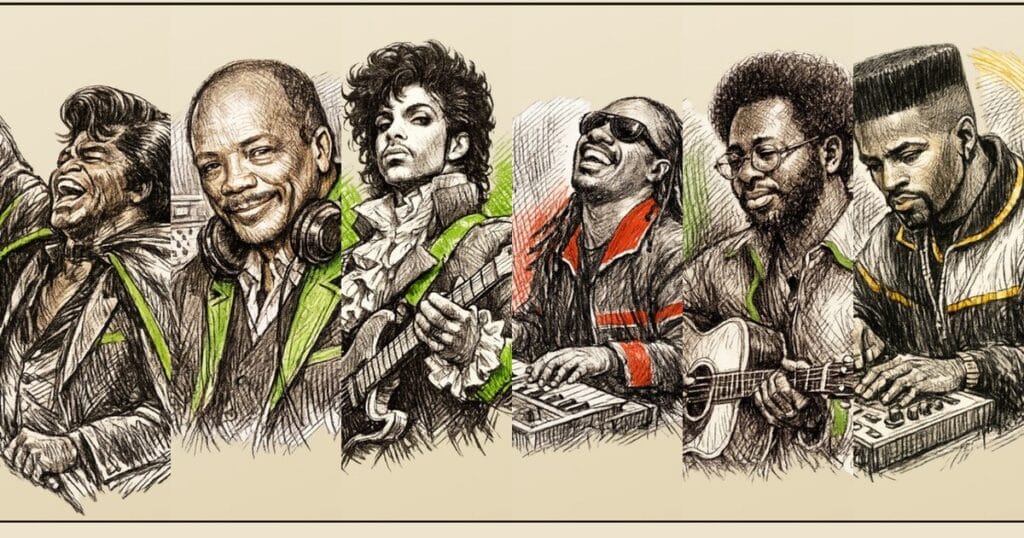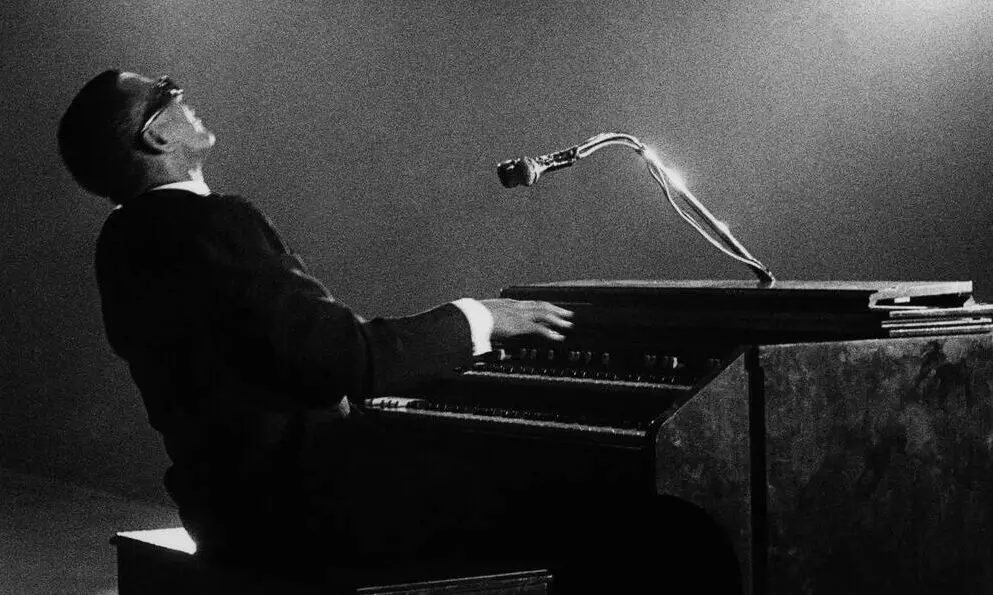

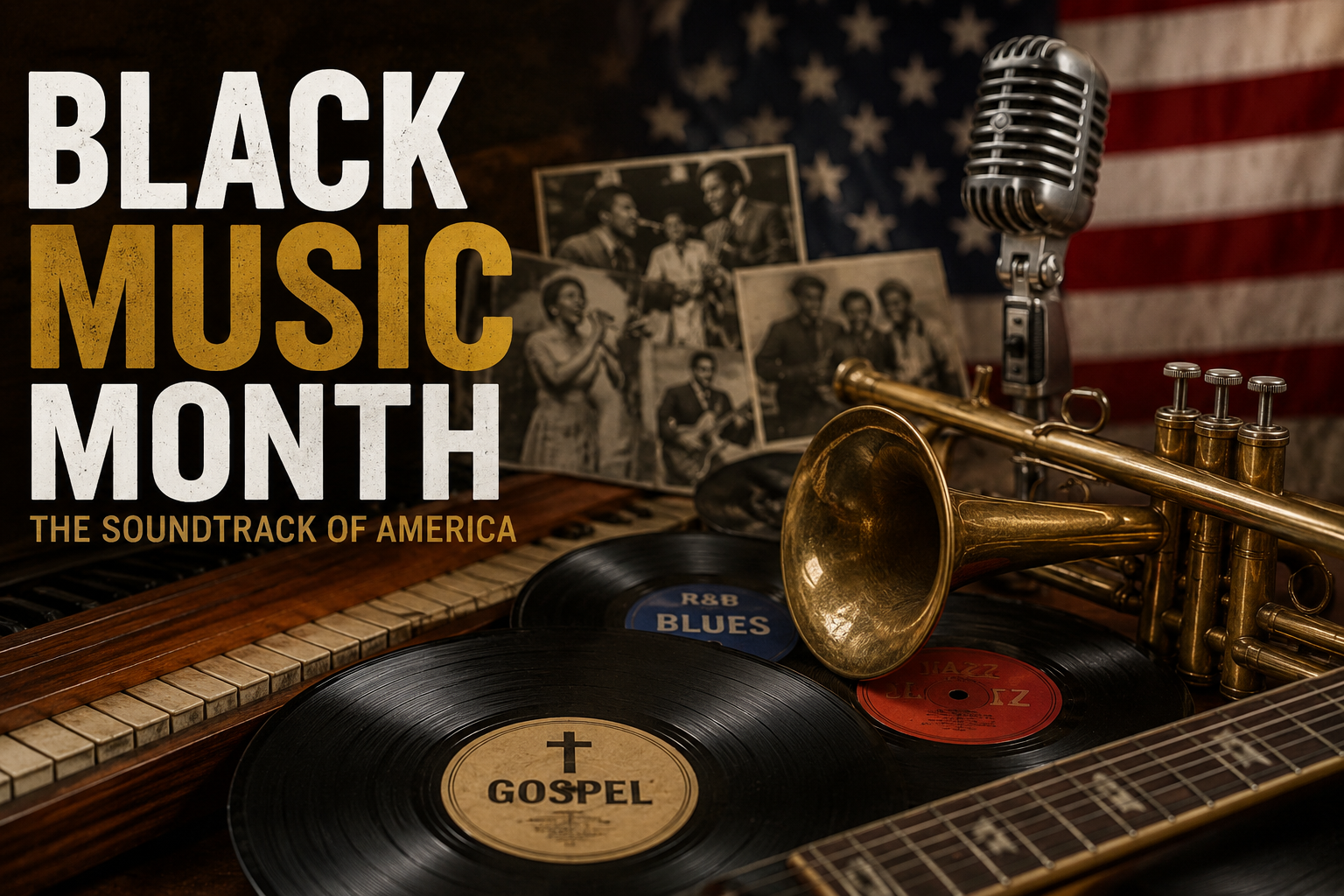
Every June, America celebrates Black Music Month. While many people view it as a time to honor legendary artists and enjoy classic songs, the true purpose of Black Music Month runs much deeper.
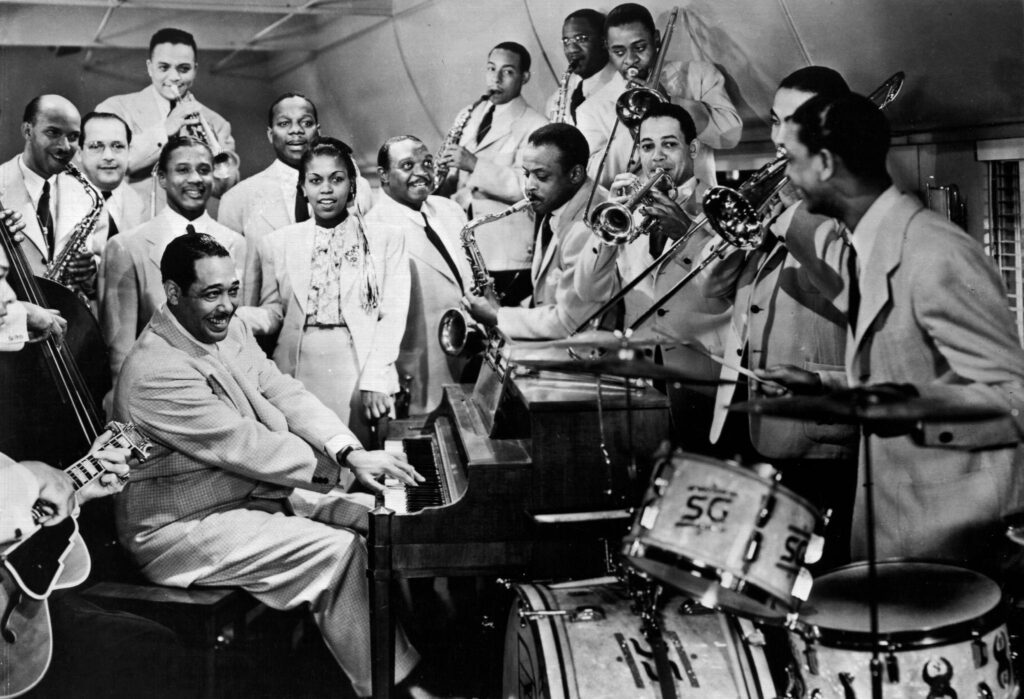
Black Music Month exists because Black American music is the foundation of American music and, by extension, much of the popular music heard around the world today.
The story of Black American music did not begin with jazz, blues, or even gospel. Its roots can be found in the sacred music traditions developed by both enslaved and free Black Americans during the nation’s earliest years. In cities such as Philadelphia, free Black communities built independent churches that became centers of musical innovation and cultural expression. Leaders such as Richard Allen helped establish institutions like the African Methodist Episcopal Church, where spiritual hymns and sacred musical traditions flourished.
These traditions would later spread throughout the South through Black churches and ministers, including figures such as Morris Brown. Over time, the musical experiences of both free and enslaved Black Americans blended together, creating a rich cultural tradition that would eventually give birth to spirituals, gospel, blues, jazz, rhythm and blues, rock and roll, soul, funk, disco, house music, and hip hop.
Black American music history is therefore not the story of a single community or region. It is the story of a people whose creativity persisted under vastly different circumstances, yet produced a shared musical culture that would ultimately transform America and influence the world.
A Brief History of Black Music Month
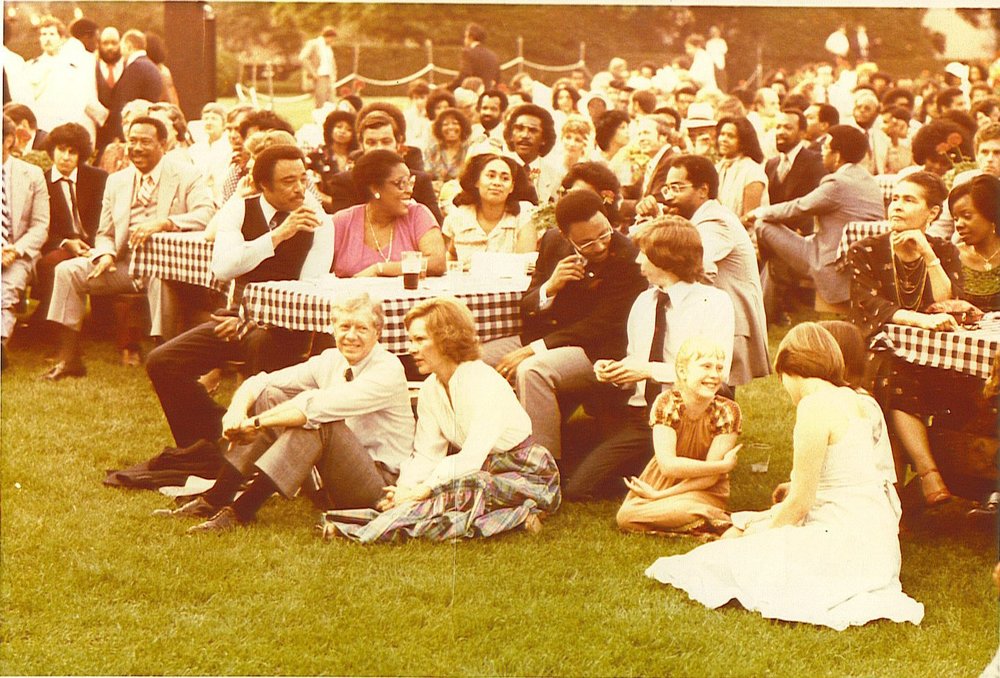
Black Music Month was officially recognized in 1979 after years of advocacy by music industry leaders who believed the contributions of Black musicians deserved national recognition. The goal was not to separate Black music from American music. The goal was to acknowledge that Black American musicians had played a central role in shaping the nation’s cultural identity.
For decades, Black artists created new musical forms that transformed American life. Yet many of their contributions were often overlooked, misunderstood, or disconnected from the larger story of American history.
Black Music Month was established to help correct that record.
The Soundtrack of America
It is impossible to tell the story of America without telling the story of Black American music.
The spiritual traditions developed in Black churches laid the foundation for gospel music. Gospel helped shape the blues. Blues influenced jazz. Jazz gave rise to rhythm and blues. Rhythm and blues helped create rock and roll, soul, funk, disco, and eventually hip hop. Every major American popular music movement can trace part of its lineage back to Black American communities.
Whether someone listens to country music in Texas, rock music in London, house music in Chicago, samba in Brazil influenced by American jazz, or hip hop in Tokyo, they are hearing the impact of Black American musical innovation.
Black American music is not a niche cultural product. It is one of America’s greatest contributions to world culture.
More Than Music
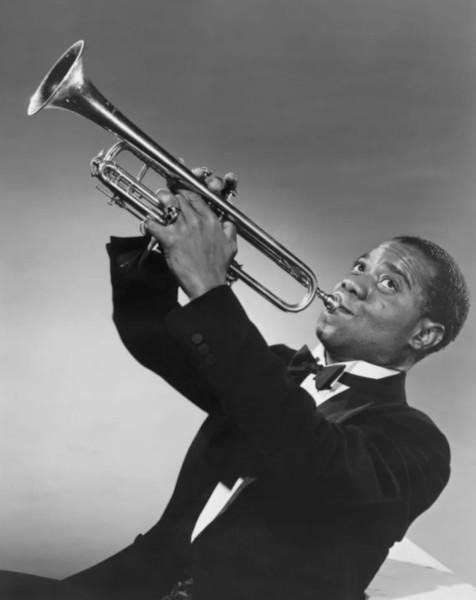
The impact of Black American music extends far beyond the stage and recording studio.
It has shaped fashion, language, dance, technology, education, and politics. It has generated billions of dollars in economic activity and built entire industries around recording, broadcasting, touring, and entertainment.
American music has also served as a powerful diplomatic tool. During the twentieth century, jazz musicians traveled the world as unofficial ambassadors of American culture. Soul, funk, and hip hop later became global languages spoken by young people from every continent.
Long before social media connected the world, Black American music was creating cultural connections across borders.
Why Black Music Month Matters
Black Music Month is ultimately about historical understanding.
Millions of people enjoy the products of Black American musical creativity every day without fully understanding where those sounds originated. The music is celebrated. The history is often forgotten.
This month provides an opportunity to reconnect the music to its roots and to recognize the generations of musicians, composers, songwriters, producers, arrangers, church musicians, and community builders who helped create America’s soundtrack.
It is a reminder that Black American music is not a side chapter in American history. It is one of the central pillars of American culture.
A Legacy Worth Preserving
As America celebrates its 250th anniversary, Black Music Month offers an opportunity to reflect on one of the nation’s greatest achievements.
The story of Black American music is a story of creativity, innovation, perseverance, and transformation. It is a story that changed the sound of a nation and ultimately influenced the sound of the world.
That is why we celebrate Black Music Month.
Not simply to honor the artists of the past, but to recognize a living tradition that continues to shape culture, move economies, influence societies, and inspire people across the globe.
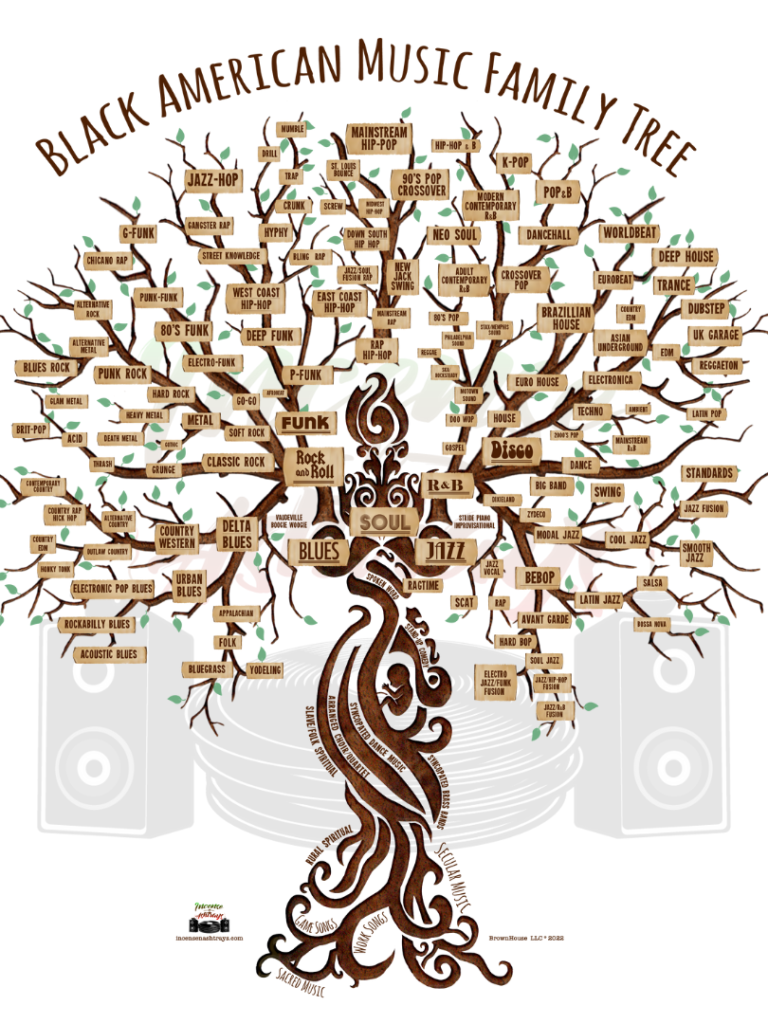
Support the work of the Black American Music Family Tree Historical Foundation at http://bamfamilytree.org. Our mission is to document, preserve, and teach the history of Black American music as one of America’s greatest cultural contributions to the world.