
By Dwann Brown
President, Black American Music Family Tree Historical Foundation
Estimated reading time: 32 minutes
Author’s Note
This essay is an attempt to correct the historical record by giving credit to many of the musicians, communities, and innovations that helped shape modern popular music but are too often overlooked. It is not written to offend, but to enlighten. My conclusions are drawn from decades of study, firsthand interviews, documentaries, historical sources, and my own experience as a former gospel drummer. This is an overview, not an encyclopedia, so some names and stories are necessarily omitted. Each section serves as an introduction to much deeper research available on my Substack (dwannb.substack.com) and through my Music University on Patreon (patreon.com/dwannb), where these ideas are explored in far greater detail.
Part I:The Birth of a Musical Language
Music history is often taught as though every genre exists in its own world. Rock & Roll is separated from Rhythm & Blues. Disco is treated as though it replaced Funk. House is presented as an electronic invention disconnected from Hip Hop. Reggae, Afrobeat, K-Pop, J-Pop, Latin Pop, and contemporary Pop are usually explained as distinct musical traditions, each with their own independent histories.
We rarely stop to ask what connects them.
Most academic disciplines search for origins, relationships, and systems. Historians trace ideas across centuries. Linguists study language families. Scientists look for underlying principles. Music history, however, often stops at labels. We memorize genres without asking whether they share a common musical language.
That is the question at the heart of this essay.
Rather than treating Rhythm & Blues as simply another genre, I argue that it became the parent genre of modern popular music. It established a musical framework so complete and adaptable that later generations reshaped it into Rock & Roll, Soul, Funk, Disco, Hip Hop, House, Reggae, Afrobeat, Latin Pop, K-Pop, J-Pop, contemporary Pop, and virtually every popular musical tradition built upon the backbeat. Whether the music comes from Nashville, Kingston, Lagos, Seoul, São Paulo, London, Los Angeles, or anywhere else in the world, if it speaks the language of the backbeat, it is participating in a tradition Rhythm & Blues helped define. These genres are not isolated inventions. They are different dialects spoken through the same musical language.
A parent genre does more than inspire future artists. It creates a shared rhythmic, compositional, and performance vocabulary that later traditions inherit and reinterpret. Languages evolve this way. So do legal systems, religions, and biological families. Latin produced Spanish, French, Portuguese, and Italian. Each became its own language while preserving a recognizable ancestry. My argument is that popular music evolved much the same way.
Rhythm & Blues became that musical ancestor.
It did not emerge in isolation. Long before the term Rhythm & Blues entered the American vocabulary in 1949, Black American musicians had spent generations developing an extraordinary body of musical knowledge. The Blues contributed emotional honesty. Jazz expanded harmony and improvisation. Gospel cultivated vocal authority and conviction. Jump Blues and Boogie-Woogie intensified rhythm and dance. Doo-Wop and the Gospel Quartet tradition refined harmony and ensemble singing.
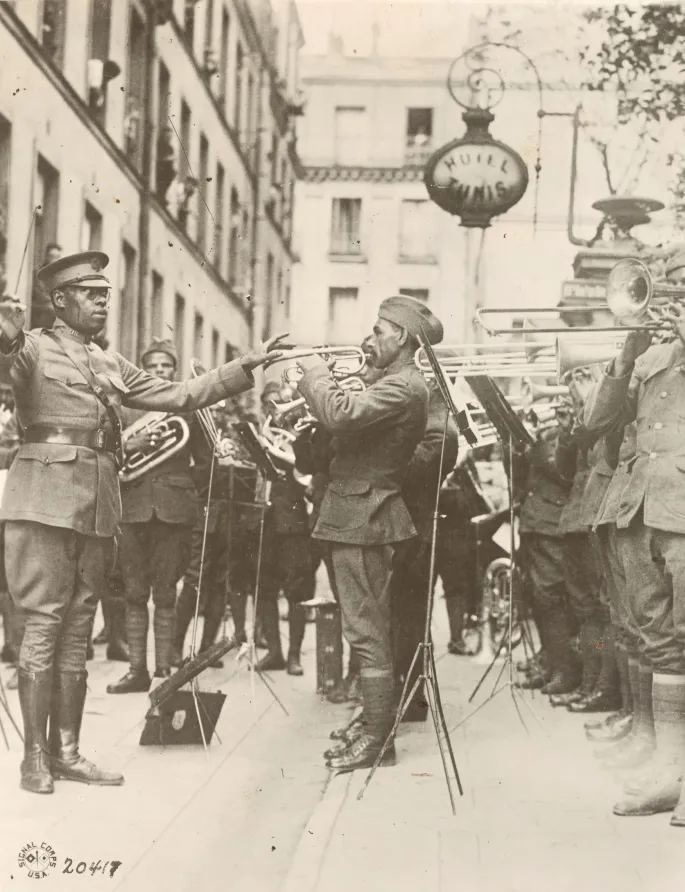
Another essential ingredient was Black America’s classical tradition. Free Black composers such as Francis Johnson, James Reese Europe, Will Marion Cook, Harry T. Burleigh, and later William Grant Still demonstrated mastery of composition, orchestration, and large ensemble writing generations before Rhythm & Blues emerged. Their work laid the foundation for the sophisticated horn and string arrangements later heard in Motown, Stax, Philadelphia International, and countless classic recordings.
Black vaudeville added stagecraft and audience engagement.
Each tradition solved a different musical problem.
Rhythm & Blues solved the greatest one—it brought them together.
Rather than replacing its predecessors, Rhythm & Blues synthesized their greatest strengths into a single musical language. It combined the emotional depth of the Blues, the harmonic sophistication of Jazz, the spiritual authority of Gospel, the rich tradition of narrative songwriting later embraced by Country music, the rhythmic drive of Jump Blues and Boogie-Woogie, the vocal interplay of Doo-Wop, the orchestral sophistication of Black America’s classical tradition, and the showmanship developed in churches, theaters, and juke joints.
The result was a musical system capable of continual evolution.
Its greatest achievement was not simply producing legendary artists. Rhythm & Blues standardized rhythm, songwriting, performance, ensemble playing, and the modern bandstand into a framework so effective that generations of musicians adopted it as the foundation of popular music.
Musicians understood this instinctively.
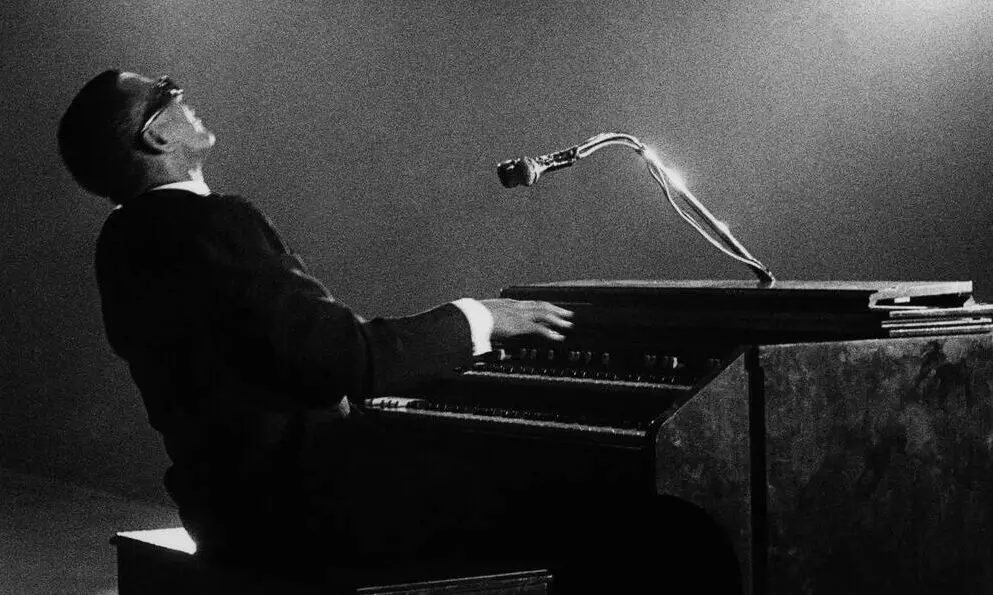
Ray Charles could record Country without abandoning Rhythm & Blues. Prince moved effortlessly between Rock, Funk, Jazz, Gospel, and Pop because he understood them as related musical dialects rather than separate musical worlds.
The music industry saw things differently.
Record labels needed categories. Radio needed formats. Retail stores needed shelves. Today, streaming services need playlists and algorithms. Genres became commercial tools for organizing and selling music, even when musicians themselves continued treating music as a living continuum.
History eventually created the conditions for this language to flourish. The Great Migration brought regional traditions together. World War II favored smaller ensembles built around drums, bass, piano, guitar, horns, and powerful vocalists. Independent labels, Black radio, jukeboxes, and advances in recording technology rewarded music with stronger rhythm, memorable songwriting, and immediate emotional impact.
Rhythm & Blues answered every one of those demands.
It became the first commercially recognized musical system to organize centuries of Black American musical innovation into a language capable of endless adaptation without losing its identity.
As you read the chapters that follow, I invite you to ask a different question. Instead of asking, “What genre is this?” ask:
What musical language is this speaking?
Once you begin listening for the language instead of the label, genres that once appeared unrelated begin revealing themselves as members of the same family. Rhythm & Blues emerges not as a brief chapter between Jazz and Rock & Roll, but as one of the great parent genres in the history of modern music.
Part II: The Making of a New Sound
Rhythm & Blues was born under segregation.
Like many of Black America’s greatest cultural achievements, it emerged not because Black Americans were welcomed into America’s cultural institutions, but because they were excluded from them. Churches became conservatories. The Chitlin’ Circuit became a performance academy. Black radio carried the music across the country. Independent record labels preserved it for future generations.
Segregation was profoundly unjust, yet the institutions Black Americans built in response created the ecosystem that cultivated one of the most influential musical traditions in modern history.
Parent genres are never invented.
They are cultivated.
Most histories begin this story too late. Popular music is often introduced when it crosses over to white audiences or reaches the Pop charts. By then, Rhythm & Blues was already a mature art form. Its musicians had mastered their instruments, its songwriters had refined their craft, and its rhythms had survived the scrutiny of demanding audiences. Mainstream America did not witness the creation of Rhythm & Blues—it encountered a tradition that had already reached artistic maturity.
The Black Church: America’s Musical Conservatory
For generations, the Black church served as the first public stage for countless musicians. Long before recording studios or theaters, singers, instrumentalists, and choir directors learned to communicate conviction, control an audience, and understand that music was never simply about technical perfection—it was about moving people.
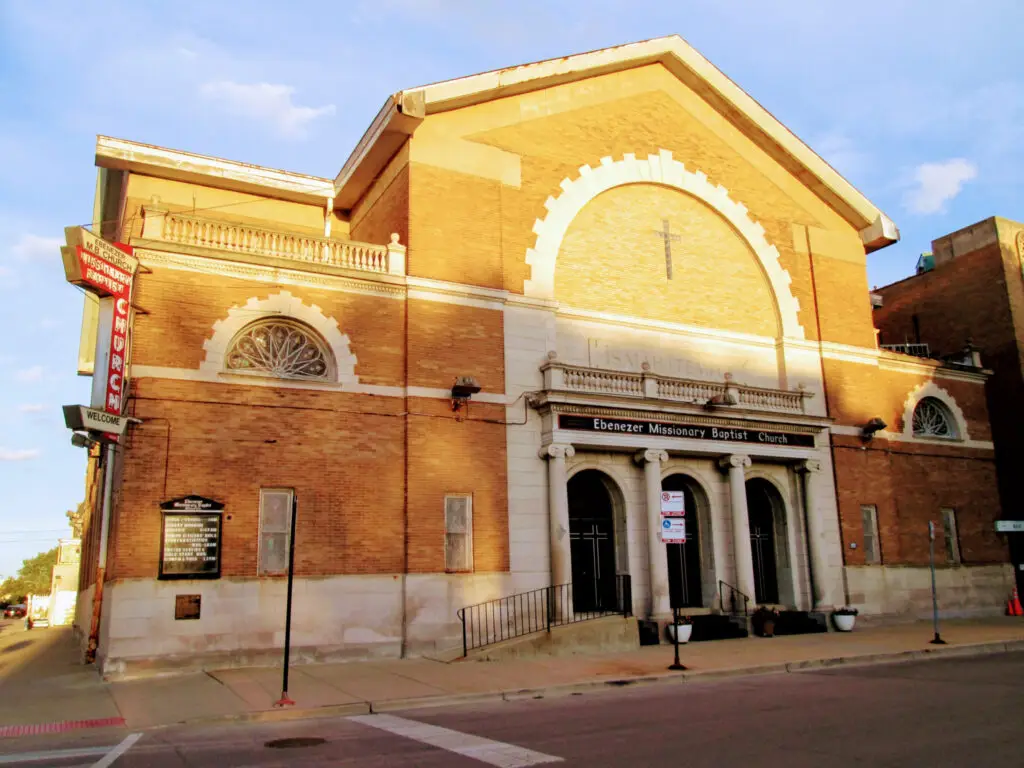
The church also functioned as America’s first great Black musical conservatory. Choir rehearsals taught harmony, rhythm, ensemble discipline, and accountability. Musicians learned to listen to one another, while singers developed phrasing, breath control, dynamics, and emotional expression. By the mid-twentieth century, gospel groups such as the Five Blind Boys of Mississippi were emphasizing an increasingly physical two-and-four pulse, foreshadowing the backbeat that would later define Rhythm & Blues, Soul, Funk, and Rock & Roll.
The Chitlin’ Circuit: America’s Greatest Performance Academy
If the church taught musicians how to move the spirit, the Chitlin’ Circuit taught them how to command a room.
During my interview with Bobby Rush, he explained that audiences on the Chitlin’ Circuit expected complete entertainers. As he put it, “You couldn’t just sing. You couldn’t just play guitar.” Artists had to sing, play, dance, tell stories, make people laugh, entertain, and hold an audience’s attention from the opening song to the final encore.
That demanding environment produced performers whose talents extended far beyond musicianship. Artists such as Little Richard, James Brown, Ray Charles, Sam Cooke, B.B. King, and Ruth Brown became complete entertainers because every performance served as a live audition before audiences that immediately recognized authenticity.
The Great Migration: Cities Become Laboratories
The Great Migration gathered generations of musical knowledge into the same cities at the same historical moment.
As millions of Black Americans moved from the rural South to cities like Chicago, Detroit, Philadelphia, New York, Los Angeles, Kansas City, Cleveland, and Oakland, regional traditions that had developed independently for generations suddenly converged. Delta Blues met Kansas City Swing. New Orleans rhythm encountered Texas Blues. Gospel choirs rehearsed blocks away from Jazz clubs. America’s cities became laboratories where musical traditions competed, borrowed, and fused.
Few places illustrate that process better than Los Angeles.
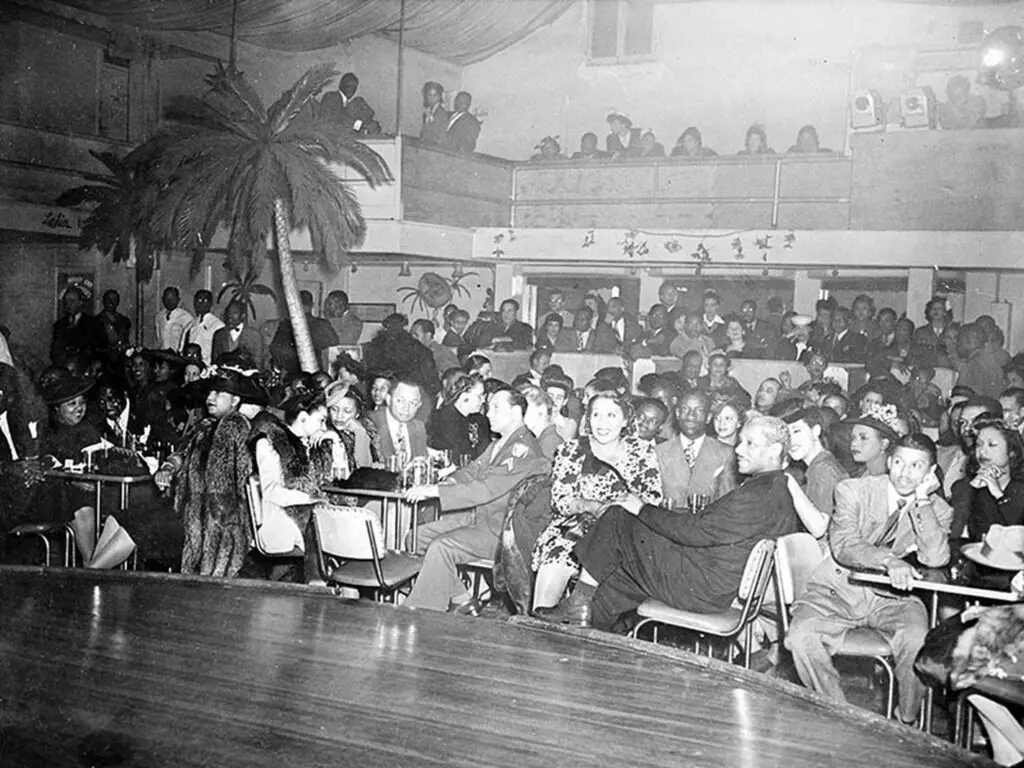
Long before the recording industry shifted west, Central Avenue had already become one of America’s great Black musical corridors. Venues like the Club Alabam, Jack’s Basket Room, the Downbeat Club, the Lincoln Theatre, and the Dunbar Hotel brought together Jazz giants such as Duke Ellington, Count Basie, Charlie Parker, Charles Mingus, and Dexter Gordon alongside Rhythm & Blues pioneers including Big Joe Turner, Roy Milton, Joe Liggins, Charles Brown, Johnny Otis, T-Bone Walker, Amos Milburn, Percy Mayfield, Lowell Fulson, and Johnny “Guitar” Watson.
Central Avenue wasn’t simply a collection of clubs. It was one of America’s great musical laboratories, where Jazz, Blues, Gospel, and Jump Blues converged into the tradition that became Rhythm & Blues.
Radio and Independent Labels
If the cities created the tradition, radio and independent record labels taught the nation how to hear it.
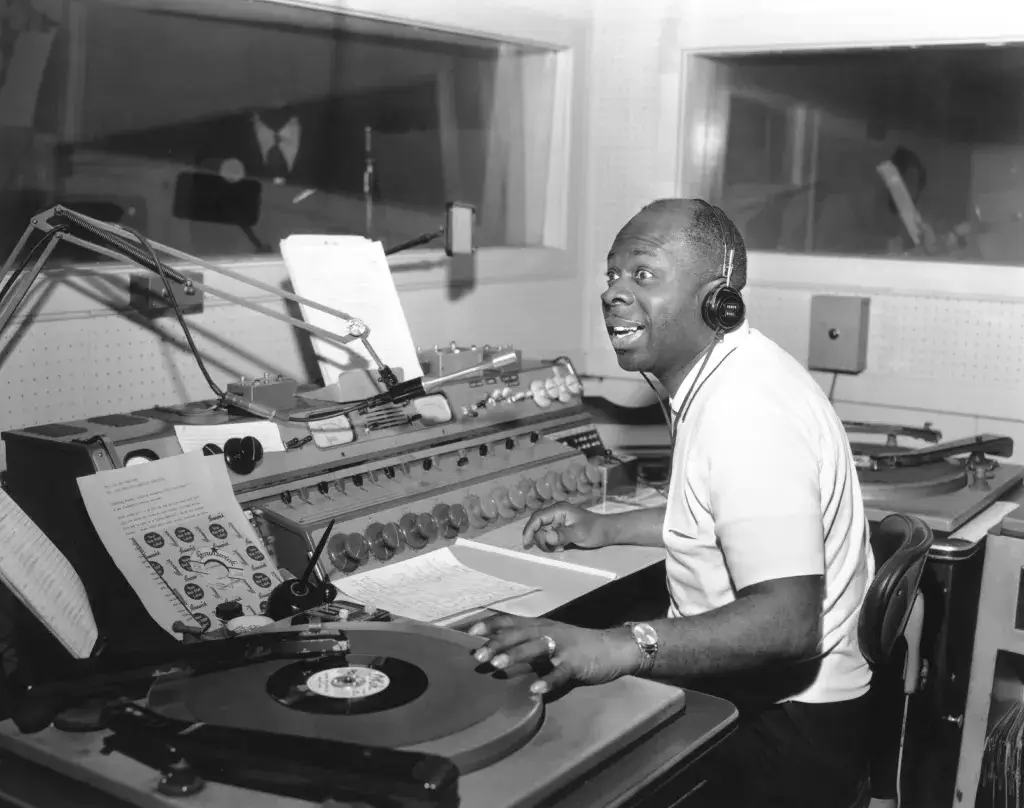
Stations such as WDIA in Memphis, Hunter Hancock’s Harlem Matinee in Los Angeles, and WLAC in Nashville introduced listeners to music ignored by mainstream broadcasters. Personalities like Jocko Henderson transformed radio into performance, using rhythmic speech and showmanship that anticipated later generations of DJs and MCs. Even Alan Freed built his famous Rock & Roll broadcasts on records that Rhythm & Blues artists had already made successful.
Independent labels documented the revolution. Companies such as Chess, Atlantic, King, Specialty, Modern, Aladdin, Imperial, Peacock, and Savoy recorded artists the major labels often overlooked, preserving a musical tradition that would reshape popular music around the world.
Among its principal architects were Louis Jordan, Big Joe Turner, Roy Milton, Joe Liggins, Charles Brown, Amos Milburn, Wynonie Harris, Rosco Gordon, and Ruth Brown, whose remarkable success helped establish Atlantic Records as “The House That Ruth Built.”
Their influence reached far beyond their own careers.
James Brown credited Louis Jordan as one of his earliest inspirations. In Jamaica, Derrick Morgan recalled studying records by Louis Jordan, Fats Domino, and other Rhythm & Blues artists while developing Ska. Rosco Gordon’s distinctive off-beat piano style became another important step in the evolution of Ska, Rocksteady, and Reggae.
The lineage speaks for itself.
Funk and Rap traces part of its ancestry to Louis Jordan.
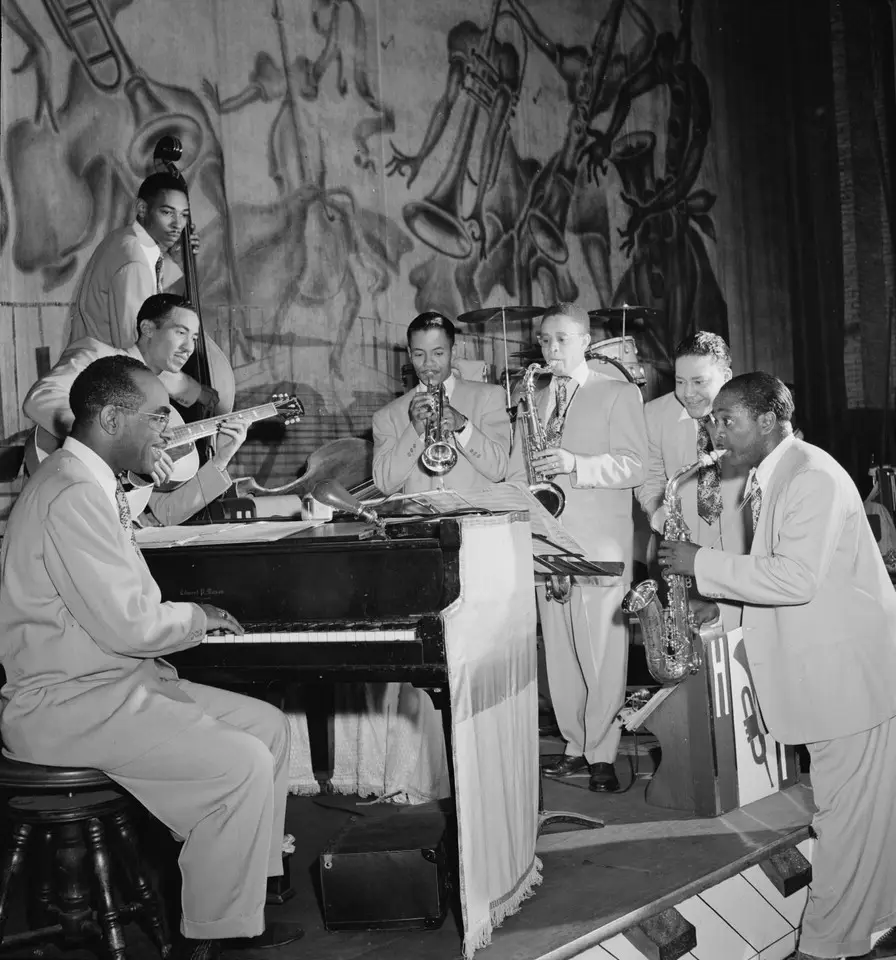
Reggae traces part of its ancestry to Louis Jordan.
By the early 1950s, the foundation was complete. The church had trained the musicians. The Chitlin’ Circuit had refined the performers. The Great Migration had gathered regional traditions into the same cities. Radio carried the music across America, while independent labels documented its evolution.
Rhythm & Blues was no longer simply a genre. It had become a complete musical language.
The rest of the world would spend the next seventy years translating that language into new musical dialects of its own.
Part III: The Beat That Conquered the World
By the early 1950s, the musical vocabulary of Rhythm & Blues had largely been assembled. The Blues supplied its emotional honesty. Jazz contributed harmonic sophistication and instrumental fluency. Gospel produced extraordinary singers and musicians, while the Chitlin’ Circuit refined them before some of the most demanding audiences in America.
The language existed.
What it lacked was its first great synthesizer.
That musician was Ray Charles.
If Louis Jordan, Big Joe Turner, Ruth Brown, Roy Milton, Joe Liggins, Charles Brown, Amos Milburn, Rosco Gordon, and their contemporaries built the vocabulary of Rhythm & Blues, Ray Charles demonstrated what that vocabulary could become when spoken with complete fluency. More than any artist before him, he united the emotional honesty of the Blues, the harmonic sophistication of Jazz, the spiritual authority of Gospel, and the rhythmic drive of Rhythm & Blues into a complete musical language. He did not hear these traditions as separate genres. He understood them as different dialects of the same musical culture.
His greatest artistic achievement was bringing the emotional intensity of the Black church into secular music. Songs such as I Got a Woman, Hallelujah I Love Her So, and What’d I Say proved that the call-and-response, vocal phrasing, rhythmic energy, and emotional conviction cultivated in the sanctuary could thrive just as naturally in nightclubs, theaters, and on the radio. The emotional vocabulary of the church no longer belonged only to Sunday morning. It had become the language of popular music.
Yet Ray Charles made another contribution that receives far less attention.
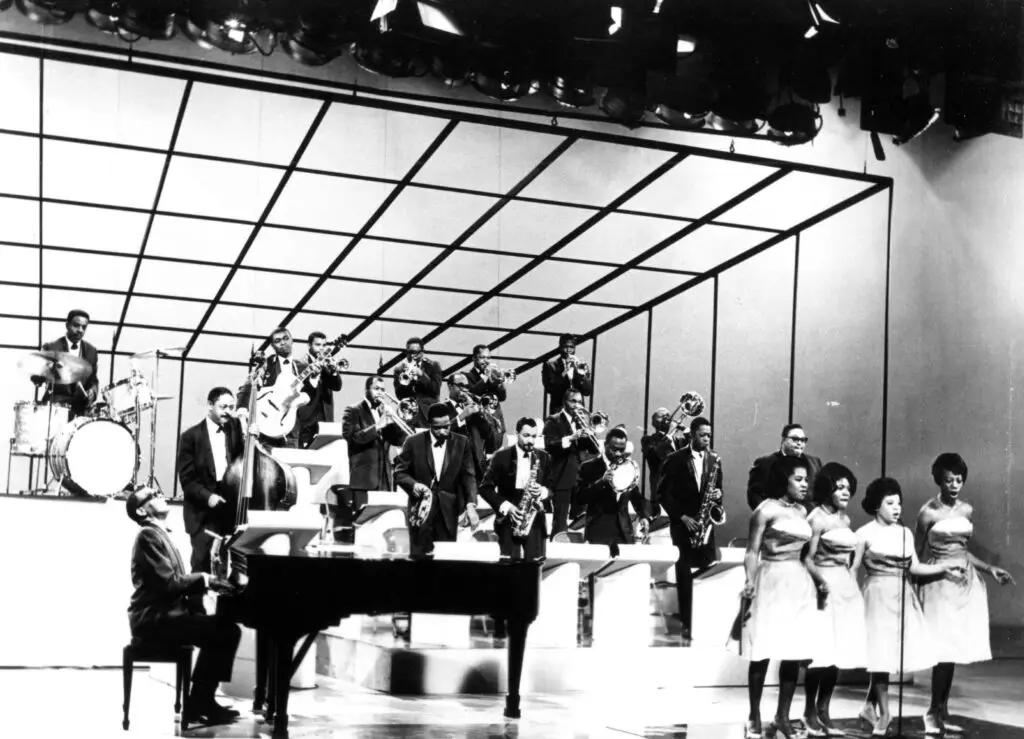
He standardized the modern bandstand.
Before Ray Charles, Rhythm & Blues ensembles varied considerably. Some resembled small Jazz groups. Others borrowed from Swing orchestras or traditional Blues bands. Charles organized those traditions into a remarkably efficient ensemble built around drums, electric bass, electric guitar, Wurlitzer electric piano, horns, strings, background vocalists, and a commanding lead singer. Every instrument served a distinct purpose. The drums organized time. The bass anchored the groove. Guitar and keyboards filled the harmonic space while reinforcing rhythm. Horns punctuated the arrangement rather than simply carrying melody. Background vocalists extended the call-and-response tradition of the Black church into popular music.
Today that architecture feels almost invisible because it has become almost universal.
Walk onto a concert stage virtually anywhere in the world and the blueprint remains remarkably familiar. Whether the artist performs Rock, Country, Soul, Funk, Disco, Reggae, Afrobeat, Latin Pop, K-Pop, J-Pop, or contemporary Pop, the foundation changes very little. Different cultures adapted the instrumentation to fit their own traditions, but the underlying architecture remained remarkably consistent.
We have become so accustomed to seeing this band that we rarely stop to ask where it came from.
The answer is Rhythm & Blues.
In many ways, the greatest invention in popular music was not a song.
It was a system.
The Backbeat That Organized Modern Music
If Ray Charles helped standardize the modern band, what exactly was that band organizing?
The answer begins with rhythm itself.
Music history has traditionally privileged melody because melody is what listeners remember. We leave concerts humming choruses. We recognize songs within seconds because of a familiar vocal line or instrumental hook. Melody gives music its personality.
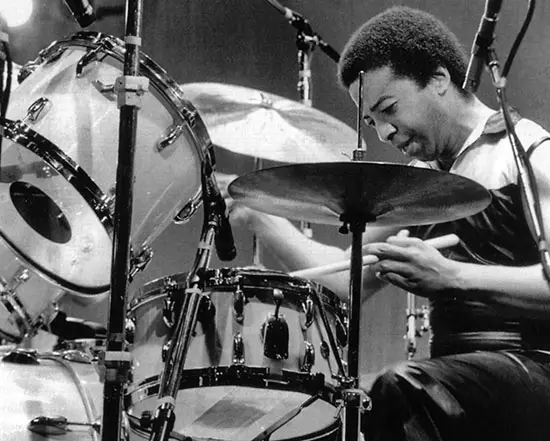
Rhythm determines how people move, how musicians interact, and ultimately how an audience experiences time itself. That was the great innovation of Rhythm & Blues. Its defining achievement was not simply producing memorable songs. It reorganized the way popular music understood rhythm.
Earlier forms of Black American music approached groove differently. Swing organized its momentum around the ride cymbal and a pulsating kick drum. Blues often established its rhythmic feel through guitar, piano, and vocal phrasing. In the Black church, congregations reinforced communal time through handclaps, foot stomps, and collective participation. The backbeat was already there—in the claps, the hi-hat, and the body’s natural response to the music—but it functioned more as a suggestion than a command. Rhythm & Blues did not invent the backbeat. It organized those traditions into a unified rhythmic system, placing the backbeat at the center of the ensemble. What had once been an accent became the foundation of modern popular music.
Once the snare drum settled firmly onto beats two and four, every other instrument inherited a clearly defined relationship to time. The bass locked into the pulse. Guitar occupied the rhythmic spaces around it. Keyboards reinforced both harmony and rhythm. Horn sections became rhythmic punctuation as much as melodic voices. Singers gained extraordinary expressive freedom because the rhythmic foundation beneath them remained constant. They could anticipate the beat, delay it, stretch phrases across it, or sing directly through it without ever losing the listener.
The result was more than rhythmic consistency.
It created what musicians simply call groove.
Groove is frequently described as a feeling, yet musicians understand it as something far more concrete. Groove is the collective agreement about where time lives. Once that agreement exists, remarkable freedom becomes possible. Individual musicians are free to improvise, decorate, anticipate, or delay because everyone shares the same rhythmic center. The groove becomes less about any individual performer than about the relationship among them.
That philosophy transformed the rhythm section itself. Drums, bass, guitar, keyboards, horns, and vocals ceased functioning as independent voices competing for attention. They became an integrated system in which every instrument carried a distinct responsibility while serving the larger whole.
One reason the backbeat deserves such careful attention is that it was never the world’s only rhythmic option. Every musical culture already possessed its own traditions. Some organized music around the downbeat. Others favored triple meter, such as the waltz that dominated much of nineteenth-century Europe. Still others built their music on asymmetrical meters like 5/4 or 7/8, or continued performing with indigenous instruments and rhythmic systems that had evolved over centuries. Nothing required the world to abandon those traditions.
Yet, across continents, musicians voluntarily adapted to the rhythmic architecture of Rhythm & Blues. They adopted the drum set, electric bass, guitar, piano, and horn section. They embraced the snare drum striking on two and four. They built new musical traditions upon the backbeat while blending it with their own cultural identities. The remarkable story is not that these cultures preserved their musical heritage—they did. It is that so many also chose to speak the rhythmic language that Black Americans created.
This, perhaps more than any single song or performer, became the enduring invention of Rhythm & Blues.
Not a record.
A system.
The Invisible Band
One of the clearest signs that Rhythm & Blues became a parent genre is that its musical architecture survived every technological revolution that followed.
At first glance, modern popular music appears radically different from the world Ray Charles helped standardize. Live rhythm sections have often given way to producers, DJs, laptops, samplers, sequencers, digital audio workstations, and now artificial intelligence.
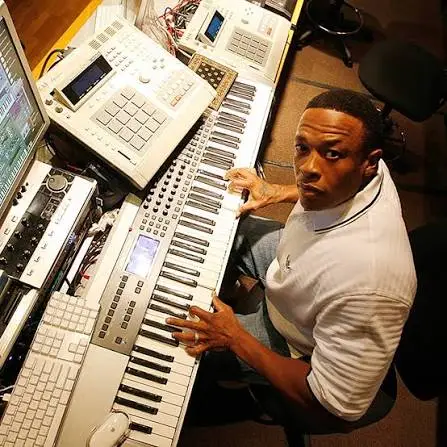
Yet beneath those technological changes, remarkably little has changed musically.
The band never disappeared.
It became invisible.
When a Hip Hop producer builds a track inside an MPC or a digital audio workstation, the software is still assigning the same musical responsibilities once carried by a live ensemble. The drums establish time. The bass anchors the groove. Harmonic instruments create the musical landscape. Vocals remain the emotional center. Whether those sounds come from a live drummer, a sampled breakbeat, an 808, a synthesizer, or a virtual instrument matters far less than the role each one continues to play within the arrangement.
The same principle governs House music, Country, Pop, K-Pop, Afrobeat, and virtually every other form of contemporary popular music. The performers may change. The technology may evolve.
The architecture remains remarkably familiar.
That continuity extends beyond performance into technology itself. Again and again, new technology reached artistic maturity inside the tradition of Rhythm & Blues before becoming part of the broader vocabulary of popular music.
Sly & the Family Stone demonstrated that electronic drums mixed with live could groove. Stevie Wonder showed that synthesizers could do more than imitate existing instruments. Roger Troutman transformed the talk box into one of the defining sounds of modern Rhythm & Blues. Midnight Star, D Train, Kashif, Cameo, The S.O.S. Band, and many others proved that synthesizers, sequencers, Moog basses, and drum machines could carry the same authority as any live rhythm section.
The pattern repeated itself with Auto-Tune. Introduced to mainstream audiences through Cher’s Believe, it might have remained little more than studio software. Instead, T-Pain, working squarely within the tradition of Rhythm & Blues, transformed it into a musical instrument. Rather than concealing the technology, he embraced it, using it as earlier generations had used the talk box, the synthesizer, and the electric guitar—not to replace human expression, but to expand it.
Artificial intelligence represents the latest chapter in that same story.
AI is not inventing a new musical language.
It is learning one that already exists.
When asked to generate a Pop song, a Country record, a Hip Hop beat, or a House track, AI almost invariably organizes music around the same architecture that has defined popular music for more than half a century: rhythm first, groove second, melody supported by harmony, and an ensemble—whether real or virtual—working toward a common pulse.
The performers may not exist.
The instruments may be entirely digital.
The production may occur inside a computer.
The underlying system remains remarkably familiar.
Every major technological innovation in popular music has been absorbed into the language of Rhythm & Blues rather than replacing it. Drum machines did not erase the drummer. They gave rhythm another voice. Synthesizers did not eliminate orchestras. They expanded the arranger’s palette. Sampling reorganized musical memory. Auto-Tune created another form of vocal expression. Artificial intelligence will undoubtedly transform the way music is made, but it too is being trained on a musical architecture established decades earlier.
The tools continue to evolve.
The system they serve does not.
That is why the greatest invention in popular music was never a song.
It was a system.
Part IV: When the World Learned the Language
Every Language Leaves Home
Every successful language eventually leaves home.
Once Rhythm & Blues matured into a complete musical system, it became impossible to contain. Parent genres rarely remain confined to the communities that create them. Their greatest success lies in their ability to travel. As new musicians encounter the language, they rarely imitate it exactly. They adapt it to new audiences, new technologies, and new cultural experiences while preserving its essential grammar.
That is exactly what happened during the second half of the twentieth century.
The world did not invent entirely new musical languages.
It learned to speak Rhythm & Blues with different accents.
America’s First Translations
The first great translation became known as Rock & Roll.
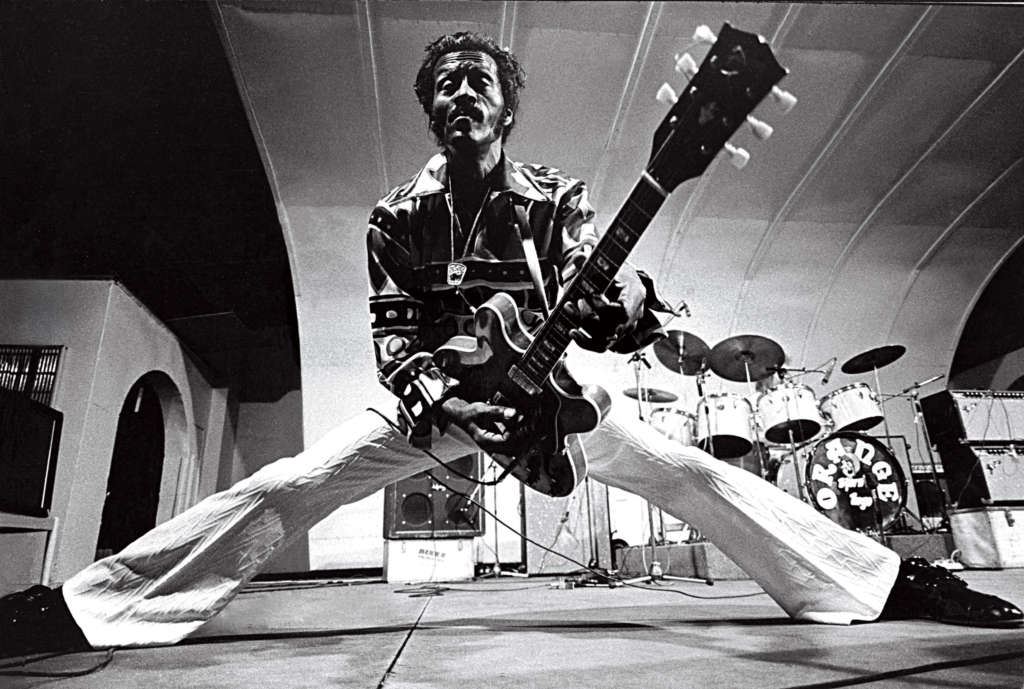
Although often presented as a clean break from Rhythm & Blues, Rock & Roll was less a new invention than the first large-scale expansion of an existing musical language. Chuck Berry, Little Richard, Bo Diddley, Fats Domino, and countless others carried the backbeat, the Blues, the rhythm section, and the performance philosophy of Rhythm & Blues into a broader commercial marketplace. The guitars grew louder. Amplifiers became larger. Audiences expanded beyond Black America. Yet beneath the youthful energy remained the same rhythmic architecture refined in churches, juke joints, on the Chitlin’ Circuit, and inside Black communities for decades.
Rock & Roll did not abandon Rhythm & Blues.
It translated it.
That distinction matters. Translation changes presentation without changing structure. A sentence spoken in English and another spoken in Spanish may sound different while communicating the same idea. Rock & Roll performed a similar cultural function. It introduced the musical language of Rhythm & Blues to millions of new listeners without fundamentally altering the system itself.
If Rock & Roll broadened the audience, Funk deepened the conversation.
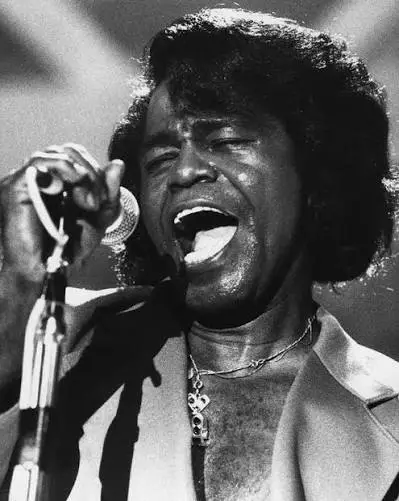
James Brown inherited the language of Rhythm & Blues and reduced it to its rhythmic essence. Every instrument became part of the rhythm section. Guitar functioned as percussion. Bass became both melodic and rhythmic. Horns abandoned long melodic passages in favor of short, syncopated bursts that locked into the groove. Rhythm no longer supported the composition.
It became the composition.
Borrowing from the conversational freedom of Bebop while remaining anchored to the backbeat of Rhythm & Blues, Funk transformed groove into the primary musical event. James Brown, Kool & the Gang, Parliament Funkadelic, The Ohio Players, War, The Meters, and Sly & the Family Stone demonstrated that rhythm itself could tell the story.
Perhaps Funk’s greatest contribution came later.
Its grooves became the raw material for Hip Hop, New Jack Swing, Neo Soul, G-Funk, contemporary Gospel, and modern Pop. Rather than disappearing, Funk dissolved into the bloodstream of popular music.
Disco explored another possibility.
Where Funk thrived on syncopation and tension, Disco pursued uninterrupted movement. It favored consistency over elasticity, momentum over surprise. Behind the mirrored dance floors stood extraordinary musicians and arrangers. Barry White, Gamble and Huff, MFSB, Chic, and the architects of the Philadelphia Sound fused orchestral sophistication with relentless rhythmic precision.
Before Disco became defined by its relentless pulse, it found its harmonic identity. In 1973, Barry White’s Love Unlimited Orchestra released “Love’s Theme,” one of the earliest recordings to crystallize the emerging disco sound. Its lush string arrangements, elegant chord progressions, soaring melodies, and polished orchestration established a blueprint that countless disco recordings would follow. Long before audiences recognized Disco as a distinct genre, Love’s Theme demonstrated how Rhythm & Blues could be transformed into sophisticated dance music without sacrificing its soul. If Earl Young gave Disco its heartbeat, Barry White helped give it its emotional vocabulary.
No individual shaped that transformation more than drummer Earl Young.
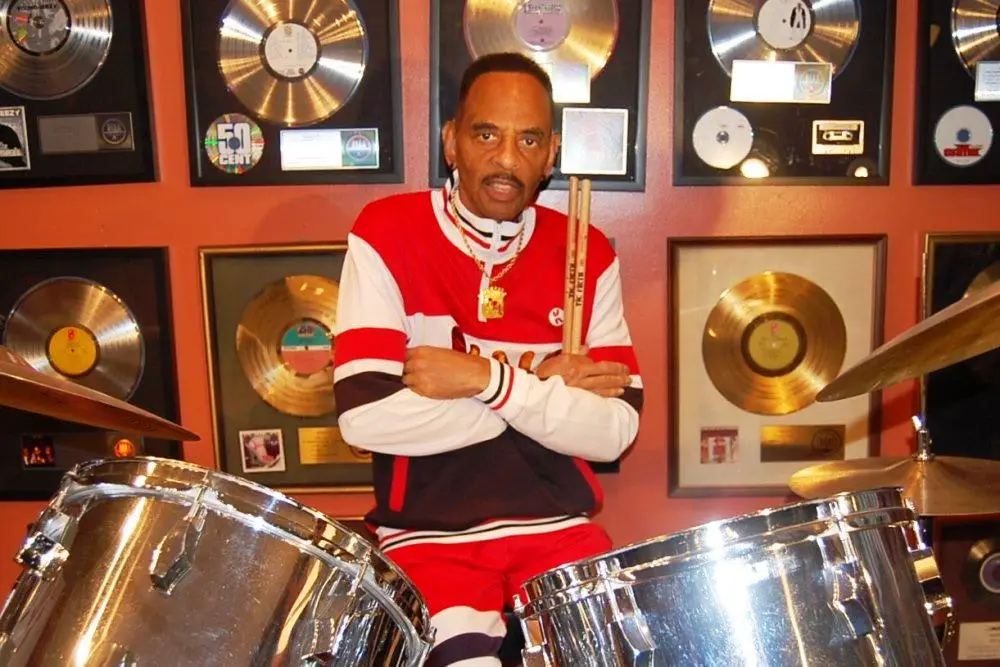
His groundbreaking performance on The Love I Lost established the four-on-the-floor pulse that became Disco’s rhythmic signature. If James Brown taught musicians how to dance around the groove, Earl Young taught the groove how to move without interruption.
That rhythmic language would become House music.
House did not invent a new musical language.
It digitized one that already existed.
The World Learns the Language
As Rhythm & Blues evolved inside America, musicians around the world were already listening.
British artists did not invent a new musical vocabulary so much as they discovered one through imported American records. The Beatles, The Rolling Stones, Eric Clapton, Led Zeppelin, The Animals, and countless others openly studied Chuck Berry, Muddy Waters, Bo Diddley, Little Richard, and other Black American musicians. They absorbed the rhythms, phrasing, guitar techniques, and performance traditions of Rhythm & Blues before translating them through British culture and sending them back across the Atlantic.
In many respects, the British Invasion was American music returning home with a British accent.
A remarkably similar story unfolded in Jamaica.
As documented in The Story of Jamaican Music: Reggae and Ska, musicians recalled listening at night to powerful radio stations broadcasting Rhythm & Blues from New Orleans and Miami. Those broadcasts became their classroom. Derrick Morgan deliberately studied Louis Jordan, Fats Domino, and other Black American artists while developing Ska. Rosco Gordon’s distinctive piano style became another stepping stone in the evolution of Ska, Rocksteady, and eventually Reggae.
Reggae did not emerge in isolation.
It translated the language of Rhythm & Blues through Jamaica’s own cultural experience. The rhythms evolved. The phrasing changed. The social concerns reflected Jamaican life. Yet beneath those differences remained the same musical architecture inherited from its parent tradition.
Reggae did not imitate Rhythm & Blues.
It spoke Rhythm & Blues with a Caribbean accent.
Thousands of miles away, Fela Kuti experienced a similar revelation.
After traveling to the United States and absorbing James Brown, Miles Davis, and the broader tradition of Black American music, Fela fused their rhythmic philosophy with West African traditions he had known since childhood.
The result became Afrobeat.
Its extended grooves, interlocking rhythm sections, powerful horn arrangements, and relentless momentum sounded unmistakably Nigerian while remaining deeply connected to the language that inspired them.
Like Reggae, Afrobeat proved that successful parent genres do not erase local identity.
They provide a framework flexible enough for other cultures to express themselves in their own voice.
The World’s Musical Language
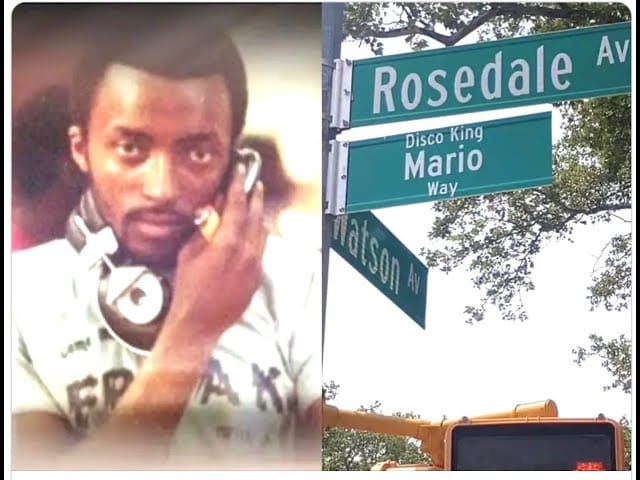
Perhaps no genre demonstrates the flexibility of Rhythm & Blues more clearly than Hip Hop. The popular claim that Hip Hop’s sound system culture came from Jamaica reverses the historical relationship. Black American DJs had already built powerful mobile sound systems, organized neighborhood parties, extended records for dancers, and developed rhythmic microphone styles before Hip Hop was formally named. Kool Herc himself acknowledged learning from figures such as DJ John Brown and Disco King Mario, whose systems and parties were already established in New York. His celebrated “Merry-Go-Round” technique was not a foreign invention but a technological extension of a vamp: the long-standing practice of repeating a rhythmic passage to sustain movement, improvisation, and audience participation. By the time Hip Hop emerged, its musical and performance vocabulary had already been assembled through Rhythm & Blues, Soul, Funk, Black radio, and generations of Black American dance culture.
Hip Hop did not invent a new musical language.
It sampled one that already existed.
As the culture spread, every city spoke that language differently. Los Angeles emphasized Parliament-Funkadelic and lowrider culture. Oakland reflected the Bay Area. Houston, Detroit, Atlanta, and New Orleans each developed distinct musical accents.
The language remained the same.
By the beginning of the twenty-first century, that language had become truly global.
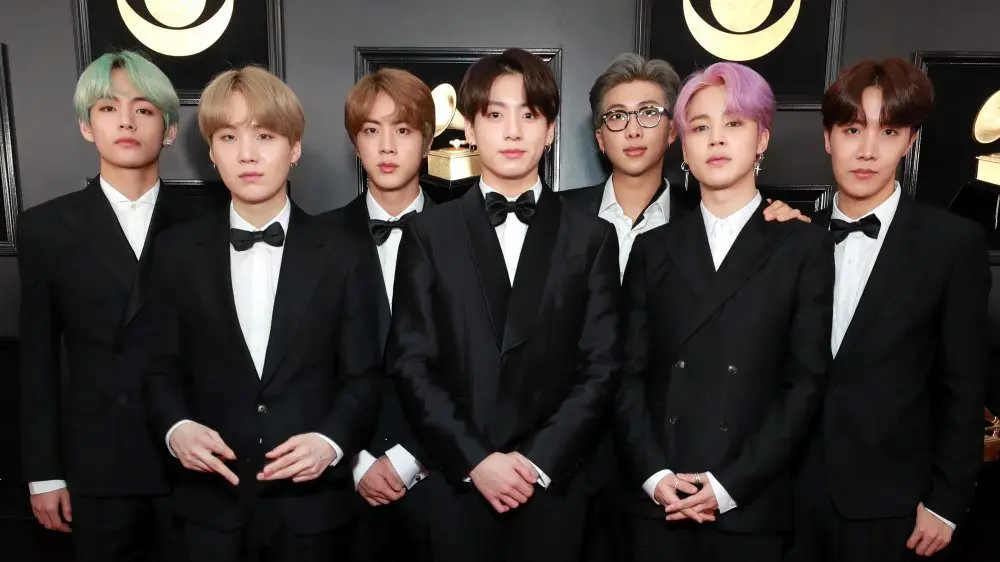
Latin Pop, K-Pop, J-Pop, Afrobeats, contemporary Country, and modern Pop all continue relying upon the same musical architecture established by Rhythm & Blues decades earlier. The relationship between drums and bass still drives the music. The backbeat continues organizing movement. Songwriters still build around memorable hooks. Vocalists continue drawing upon the emotional directness of the Blues and expressive phrasing rooted in Gospel.
The instruments have changed.
The technology continues evolving.
The language endures.
That is the defining characteristic of a parent genre.
It does not require every descendant to sound alike. It creates a framework so effective that every generation, every culture, and every technological revolution finds another way to speak it.
By the beginning of the twenty-first century, Rhythm & Blues was no longer simply an American genre.
It had become one of the world’s musical languages.
Part V: The Great Erasure
If Rhythm & Blues became one of the parent genres of modern popular music, why is it so rarely described that way today?
The answer has less to do with the music than with the way history is told.
Every successful language eventually reaches the same destination. It becomes so widely spoken that people stop noticing the language itself. They recognize the accents instead. Few people think about Latin while speaking Spanish, French, or Italian. We rarely think about the operating system running beneath our computers. We simply use it. Rhythm & Blues followed the same path. Its rhythms became ordinary. Its musical architecture became expected. Its vocabulary spread so completely that listeners stopped recognizing it as a language at all.
The recording industry accelerated that process.
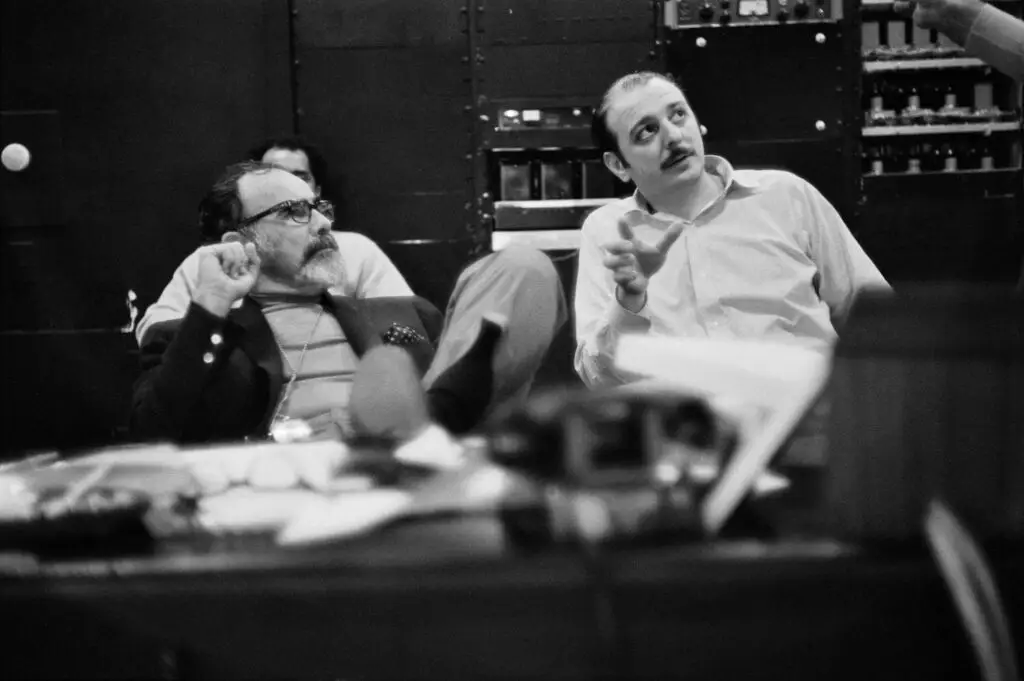
Before 1949, music created by Black Americans was marketed as Race Records, a category that revealed more about America’s racial hierarchy than the music itself. Jerry Wexler’s adoption of the term Rhythm & Blues represented an important step away from openly racist language, but the industry’s larger habit remained intact. Rather than preserving musical genealogy, the industry increasingly organized music into commercial and racial identities. Rock & Roll became the music of white youth while Rhythm & Blues remained the Black category. Soul was marketed as Black music while Pop became the universal category. By the 1970s, Funk and Disco were presented as competing sounds even though they shared the same musicians, the same rhythmic foundation, and often the same audiences before the marketplace divided them. Decades later, Hip Hop became the Black category while House and Dance Music were increasingly marketed elsewhere despite growing from the same rhythmic system.
The labels changed.
The musical language did not.
Every new category served a commercial purpose.
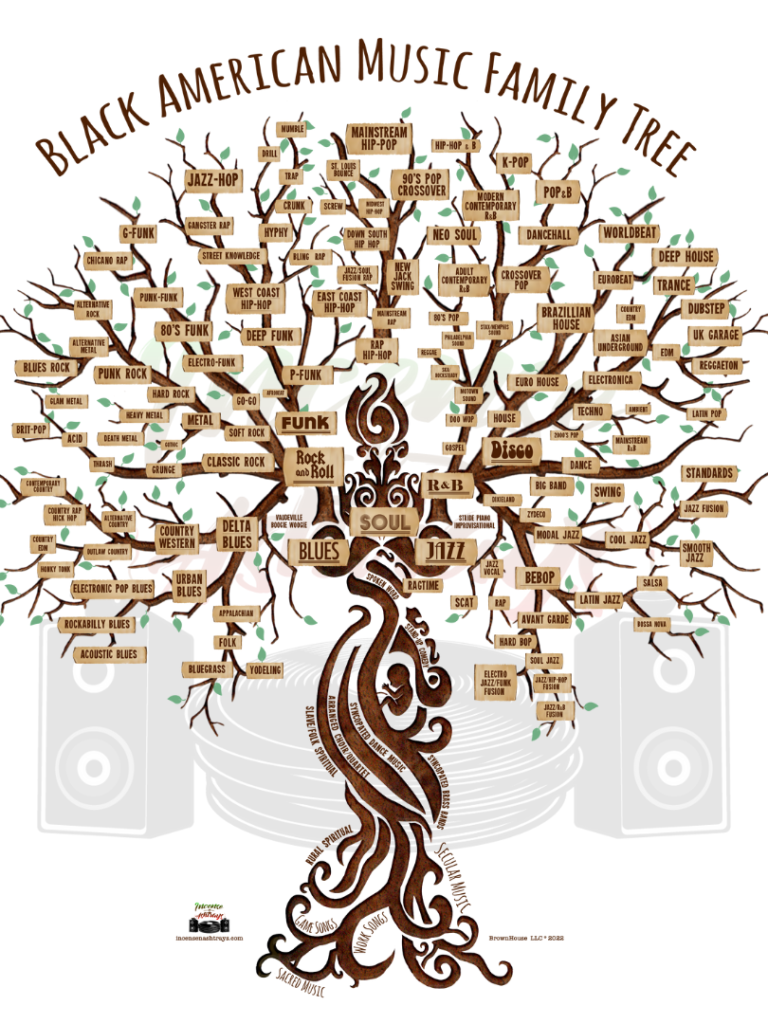
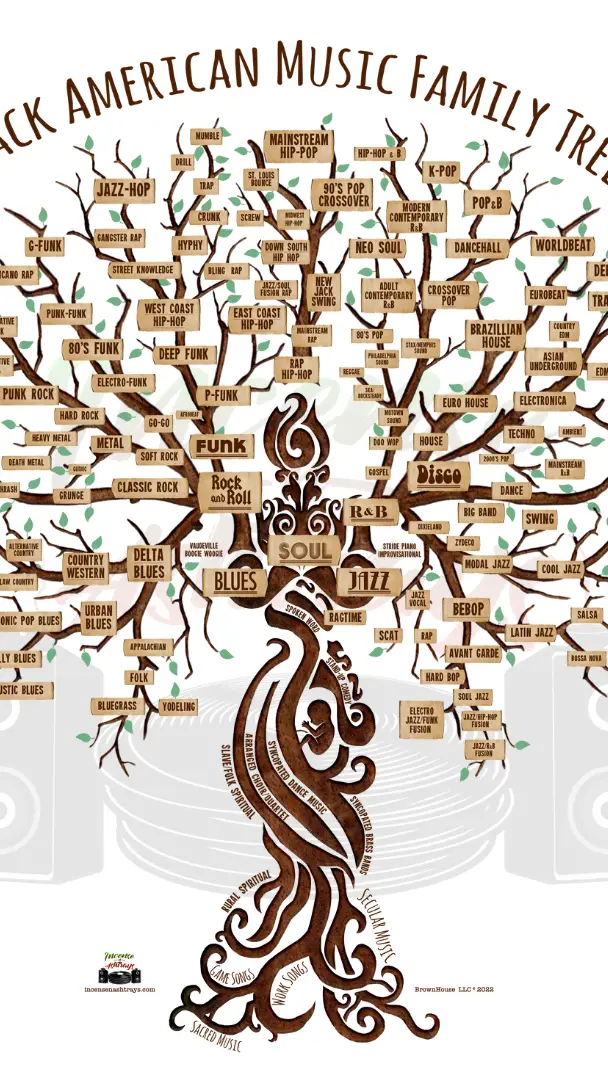
Each one also encouraged listeners to compare branches while forgetting they belonged to the same tree.
Neo Soul demonstrates the pattern beautifully. The name implied the arrival of something new, yet artists such as D’Angelo, Erykah Badu, Maxwell, Jill Scott, Bilal, Lauryn Hill, and Angie Stone were not inventing another genre. They were rediscovering the language. Live musicians. Gospel phrasing. Jazz harmony. Funk grooves. Conversational improvisation. Rich vocal interplay. These had always been among Rhythm & Blues’ defining characteristics. Sometimes what appears to be a revolution is simply a return to forgotten traditions.
That is how parent genres disappear.
Not because they die.
Because they become invisible.
The same pattern extends well beyond music.
Throughout American history, Black American innovation has repeatedly been separated from the systems that produced it. Communities become individuals. Traditions become isolated moments. Continuous innovation becomes a convenient origin story. The result is a history filled with remarkable personalities but disconnected from the cultural ecosystems that made those achievements possible.
Hip Hop offers one of the clearest modern examples of Black American Cultural Erasure.
Popular culture frequently presents Kool Herc as the founder of Hip Hop in much the same way generations of Americans were taught that Christopher Columbus discovered America. Both stories begin after the history is already underway. By the time Herc began throwing parties in the Bronx, the sound system already existed. The extended vamp already existed. Rhythmic talking over music already existed. Cab Calloway and Louis Jordan had already laid foundations for rhythmic vocal performance. The break had already been cultivated in Black American music—not by DJs, but by live bands that stretched (Vamped) the most energetic sections of a song to keep dancers moving and audiences engaged. James Brown elevated this practice to its highest form, with his band turning the break into the centerpiece of modern funk. Those records would later become the primary source material for Hip Hop DJs, while James Brown’s grooves inspired the very dance culture that became B-boying. Listen to the music. The soundtrack of Hip Hop’s formative years is James Brown. For decades, this was common knowledge. Throughout the 1980s, 1990s, and early 2000s, Hip Hop pioneers—including Kool Herc himself—regularly acknowledged James Brown as the music’s spiritual father. DJs such as John Brown and Disco King Mario had already established the sound system culture that Herc himself acknowledged learning from. Yet, in a familiar American tradition, the broader Black American system that made Hip Hop possible is reduced to the story of one man. The civilization disappears. The individual remains.
The same historical habit extends across American culture.
Rock & Roll is detached from Rhythm & Blues. The Black American origins of Lowriding remain largely absent from popular history despite decades of documentation. More than 50,000 patents granted to Black American inventors are remembered as isolated achievements rather than evidence of one of the nation’s longest traditions of technological innovation. Again and again, the branches remain visible while the roots are buried.
Rhythm & Blues experienced the same fate.
Today we debate whether a record is Hip Hop, Country, House, Afrobeats, K-Pop, Latin Pop, or Pop. Those categories dominate award shows, radio formats, streaming services, and record stores. Rarely do we ask the more revealing question:
What musical language is this speaking?
That question changes everything. It redirects our attention away from marketing and back toward history. It encourages us to hear relationships instead of categories, continuity instead of fragmentation, genealogy instead of isolated moments. Genres rise and fall with fashion. Musical languages endure.
Correcting this history is about more than music. It is about restoring a people to their proper place in the American story. Black Americans are too often introduced to the world through images of gangs, crime, poverty, and social dysfunction while the systems of innovation we built are minimized, disconnected from us, or presented as the achievements of everyone else. Even when our contributions are acknowledged, they are frequently diluted through shared credit that obscures where the ideas originated. The result is a public memory in which the stereotypes remain attached to Black America, but the innovations do not. Restoring that balance is not about elevating one group above another. It is about replacing mythology with history.
History is more than a record of famous names.
It is a record of ideas.
Of systems.
Of communities.
Of traditions passed from one generation to the next.
When those systems disappear from memory, innovation begins to look accidental.
It never is.
That, more than anything else, is what happened to Rhythm & Blues.
The language never disappeared.
The world embraced the language while erasing its authors.
Want to Go Deeper?
This essay is the finished argument. My paid Substack includes exclusive research notes, primary sources, expanded analysis, and unpublished chapters that go beyond what appears here.
Become a paid subscriber: https://dwannb.substack.com
Conclusion: The Language Lives On
If this essay has accomplished anything, I hope it has encouraged you to hear popular music differently.
Not as a collection of disconnected genres, but as an ongoing conversation.
Rock & Roll, Soul, Funk, Disco, Hip Hop, House, Reggae, Afrobeat, Latin Pop, K-Pop, and much of contemporary Pop are not isolated musical events. They are chapters in a story that began long before any of those names existed. They are dialects spoken by musicians who often never realized they were sharing the same language.
There is something extraordinary about that journey.
This was a musical language developed by a people largely excluded from the promises of the nation they helped build. It was refined in churches where music carried both worship and survival. It matured in juke joints, neighborhood clubs, ballrooms, and along the Chitlin’ Circuit before audiences that demanded excellence every night. It flourished in communities denied equal access to many of America’s institutions, yet it eventually transformed one of America’s greatest exports.
Today those rhythms accompany weddings in India, festivals in Nigeria, football stadiums in Europe, concerts in Seoul, dance clubs in Brazil, skating rinks in Los Angeles, and family celebrations across the globe.
Few cultural traditions have traveled farther.
Few have shaped the modern world more profoundly.
That is not only a triumph of music.
It is a triumph of Black American culture.
For me, this history has never been about arguing over genres or claiming ownership of every musical idea that followed. It has always been about restoring historical continuity. When we disconnect innovations from the people who created the systems behind them, we don’t simply lose historical accuracy. We lose part of our understanding of how human creativity actually works.
That understanding matters because music has always been more than entertainment.
It is memory.
It is identity.
It is one generation teaching another who they are.
One of Rhythm & Blues’ greatest achievements was its ability to bring together nearly every major Black American musical tradition into a single conversation. The emotional honesty of the Blues. The harmonic sophistication of Jazz. The spiritual conviction of Gospel. The vocal interplay of Doo-Wop and the Gospel Quartet tradition. The orchestral imagination of composers like Francis Johnson, James Reese Europe, and Will Marion Cook. The dance floor energy of Jump Blues and Boogie-Woogie. Rhythm & Blues did not replace those traditions. It united them.
That conversation is worth protecting.
When I listen to much of today’s mainstream music, I sometimes hear extraordinary technology but fewer musical conversations. Technology has never been the enemy. Black American musicians have repeatedly transformed new technology into new art—from the electric guitar and synthesizer to the drum machine, sampler, and Auto-Tune. Innovation has always been part of our tradition. My concern is never with the tools. It is with what disappears when musicians are removed from the process. Horn sections become keyboard patches. String arrangements become presets. Live rhythm sections become loops. Budgets replace bandleaders. Efficiency replaces interaction. Music loses some of the human dialogue that once made it breathe.
Every generation deserves to create its own sound.
I am not asking artists to recreate the past. I am asking them to remember it. Experiment without fear. Invent instruments no one has imagined. Build new genres. Use artificial intelligence if it expands creativity. But leave room for musicians to surprise one another. Leave room for arrangers. Leave room for choirs, horn sections, rhythm sections, improvisation, and the beautiful unpredictability that only human beings create together.
That belief is what ultimately led me to establish the Black American Music Family Tree Historical Foundation.
The Foundation exists because this history deserves to be preserved with the same seriousness given to every other great cultural tradition. Its purpose is not to diminish the achievements of Jamaica, Nigeria, Brazil, Korea, or any of the cultures that embraced this musical language and transformed it into something uniquely their own. Great ideas are meant to travel. They are meant to evolve. But honoring that journey begins by telling the story truthfully.
For generations, Black Americans have been introduced to the world through narratives of struggle, conflict, crime, and poverty. Those stories are part of our history, but they are not the whole of it. They exist alongside one of the greatest records of artistic, scientific, technological, and cultural innovation in human history. Restoring that balance is about more than music. It is about ensuring that future generations inherit a history rooted in truth rather than omission.
History is not simply a record of what happened.
It is a record of what a civilization chose to remember.
My hope is that this essay encourages readers to remember differently.
So the next time you hear a song—whether it comes from Nashville, Kingston, Lagos, São Paulo, Seoul, Tokyo, London, Atlanta, Los Angeles, or a laptop powered by artificial intelligence—don’t begin by asking what genre it is.
Ask what musical language it is speaking.
Because once you recognize that language, you begin to hear something else beneath the melody.
You hear generations.
You hear communities.
You hear a people whose voice never stopped echoing across the world.
The world has been speaking Rhythm & Blues all along.
© 2026 Dwann Brown. All rights reserved. No portion of this article may be reproduced, republished, distributed, or adapted without prior written permission, except for brief quotations used for commentary, criticism, education, or review with proper attribution and a link to the original article.