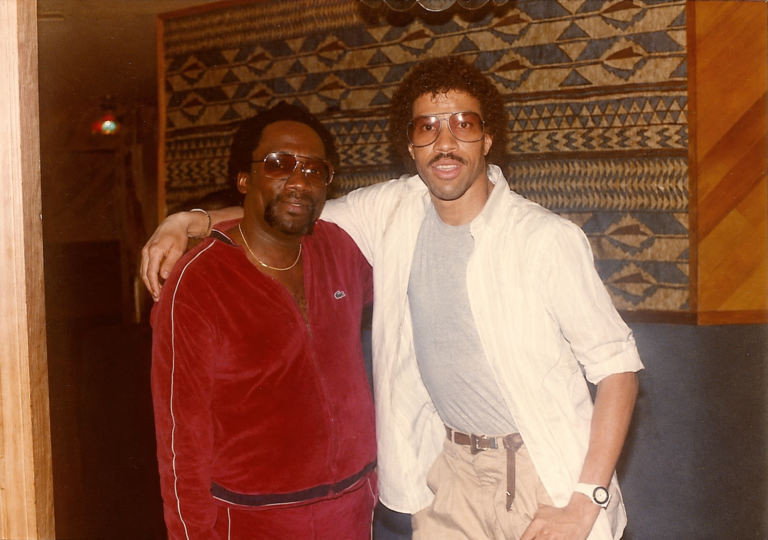

DJ Battlecat: The Sound That Built West Coast Hip Hop

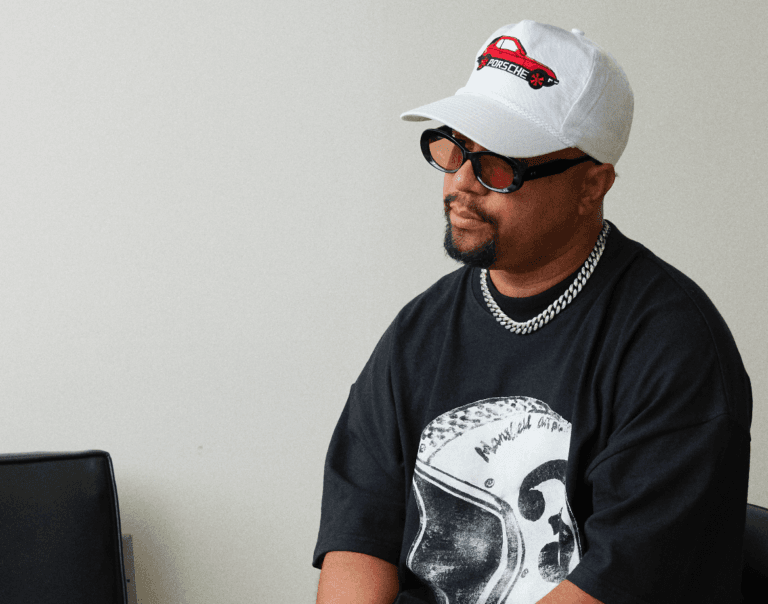
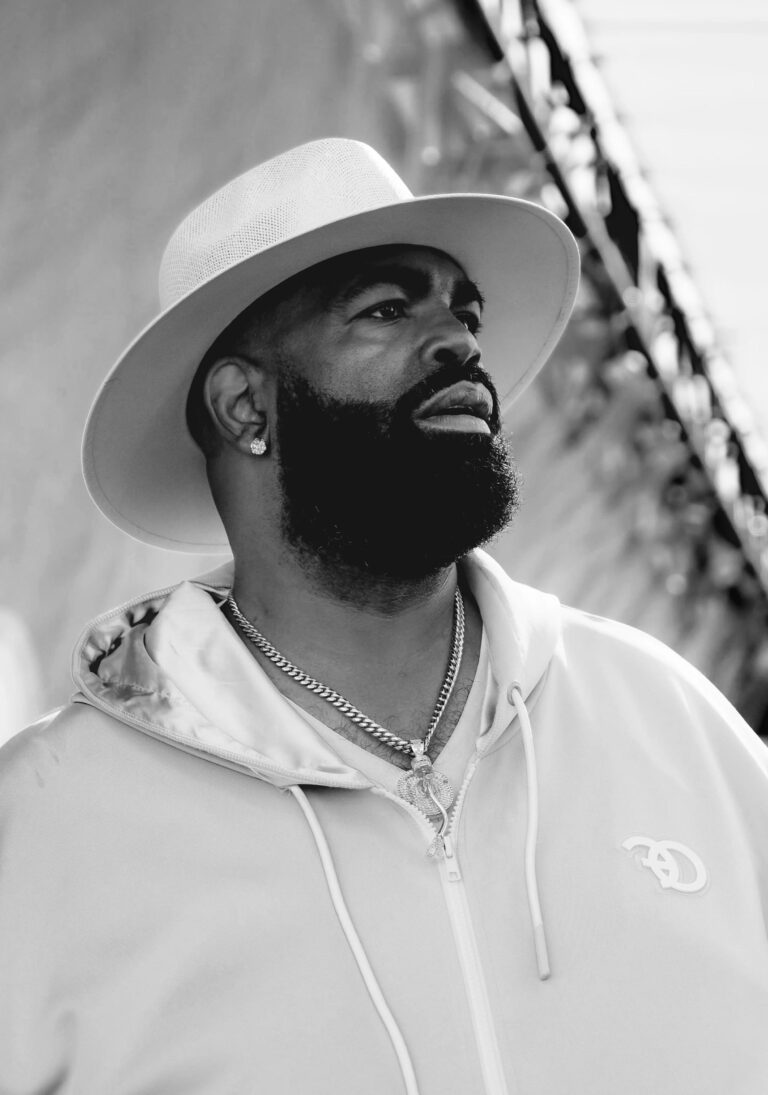
A deep conversation with DJ Battlecat on his story, sound, and the musical foundation behind West Coast hip hop—from drums and gospel to jazz and groove.


A deep conversation with DJ Battlecat on his story, sound, and the musical foundation behind West Coast hip hop—from drums and gospel to jazz and groove.

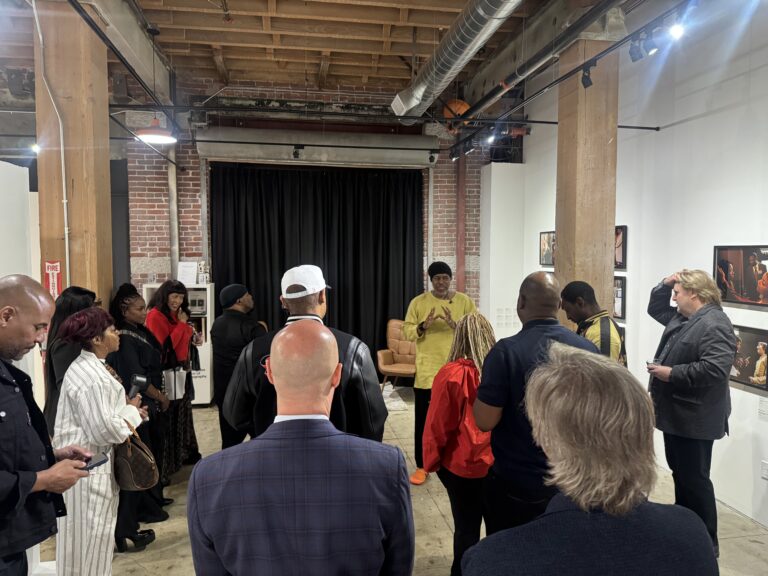
Ali LeRoi’s photography exhibit reveals a deeper layer behind Everybody Hates Chris, showing how great artists create across multiple forms. Through candid images and personal reflection, this exhibition captures the emotion, family, and creative vision that made the show a global cultural staple.

I compared classic Black American R&B and hip hop records side-by-side with K-pop songs. The similarities in groove, vocals, and structure are hard to ignore.

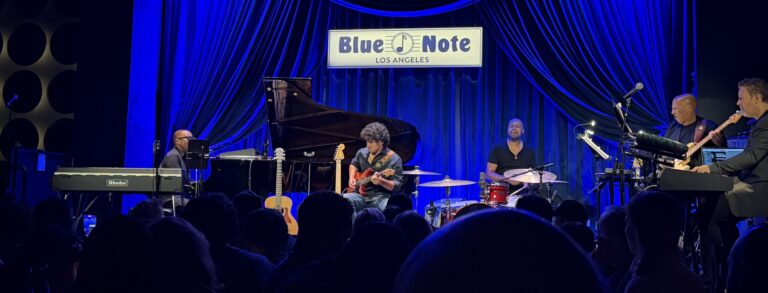
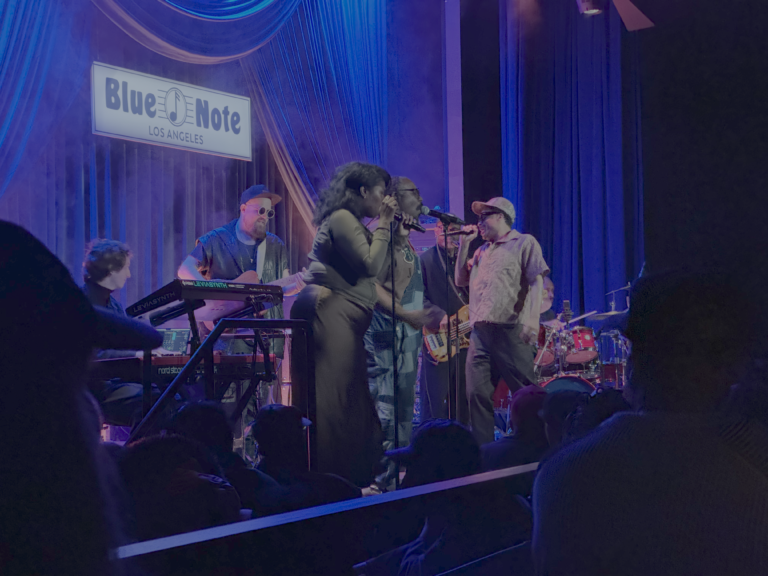
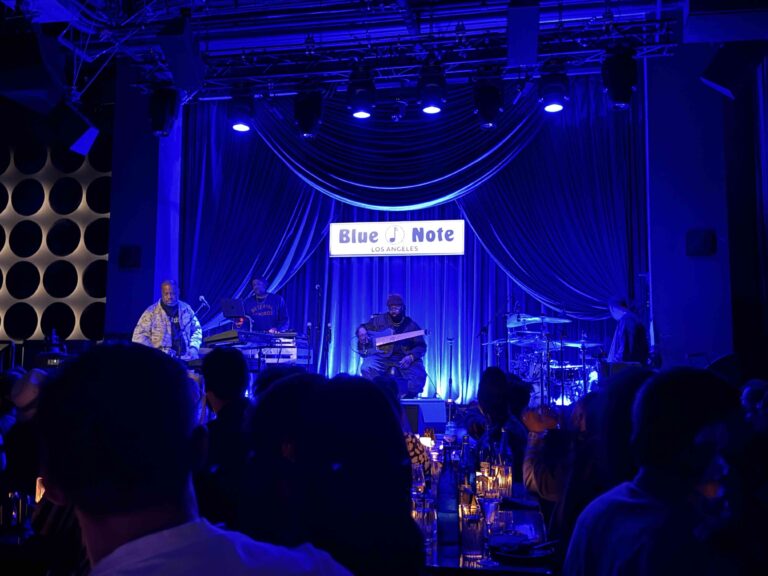
No two Robert Glasper shows are the same. Inside his Blue Note LA residency, the band reshapes jazz, funk, R&B, and hip hop in real time—proving live music still has no ceiling.

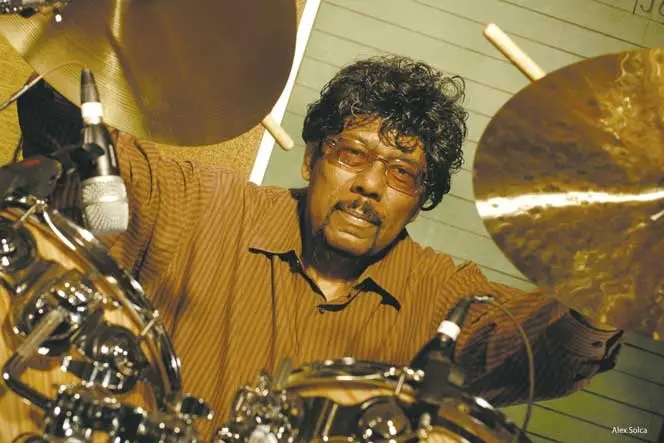
James Gadson (1939–2026) was the drummer behind some of the most important grooves in music history. From Marvin Gaye to D’Angelo, his feel shaped generations of Black American music.

Black Los Angeles has long been reduced to gang culture, but the reality is far more complex. From historic cultural hubs to modern hiring barriers, this piece examines how access, policy, and perception—not gangs—have shaped economic outcomes in LA.

Veritus Miller and his band deliver a powerful performance that challenges every misconception about young musicians, proving the next generation is already ready.

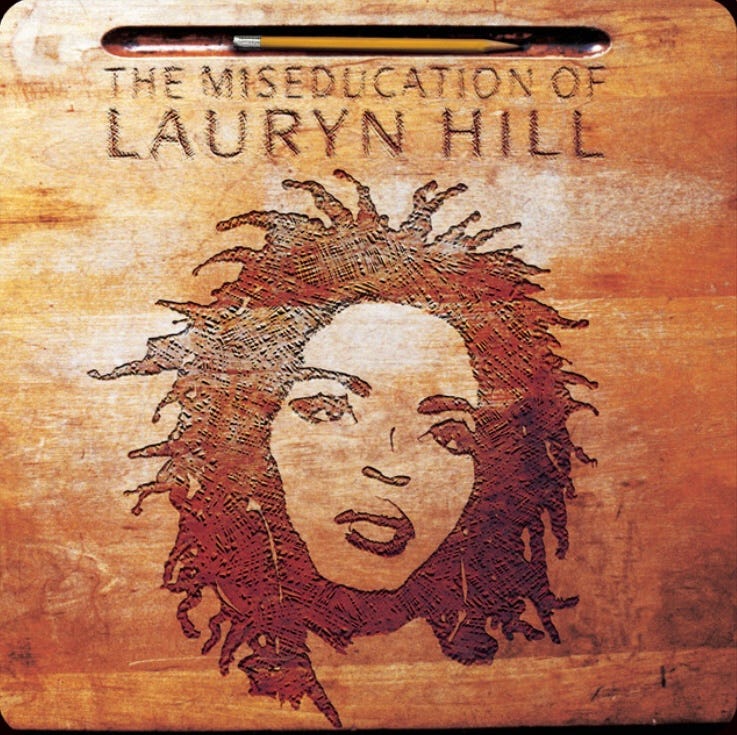
Was The Miseducation of Lauryn Hill really a hip hop album? This article argues that Lauryn Hill’s masterpiece is better understood as a classic R&B album—one that blends gospel, soul, doo-wop, funk, and hip hop in the tradition of Black American music.

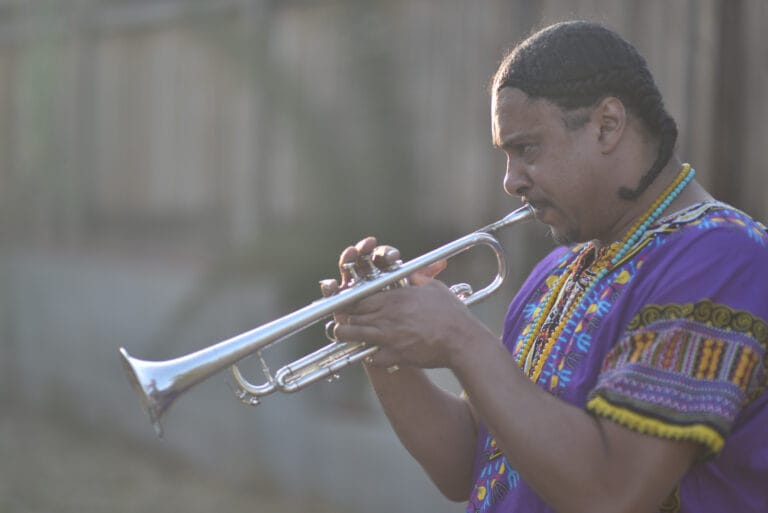
Chief Xian aTunde Adjuah, formerly known as Christian Scott, delivered a powerful Stretch Music performance at the Blue Note. Backed by Elena Pinderhughes, Andrew Renfroe, Kris Funn, and John Davis, the band moved from quiet atmospheric passages to explosive moments while carrying forward the tradition of Black American jazz innovation.

Motown’s “Dancing in the Street” didn’t just become a hit—it helped reshape rhythm and blues. With its fast groove, bebop-influenced horns, and Detroit’s polished production style, the record pushed R&B into mainstream pop and helped define the Motown sound.