
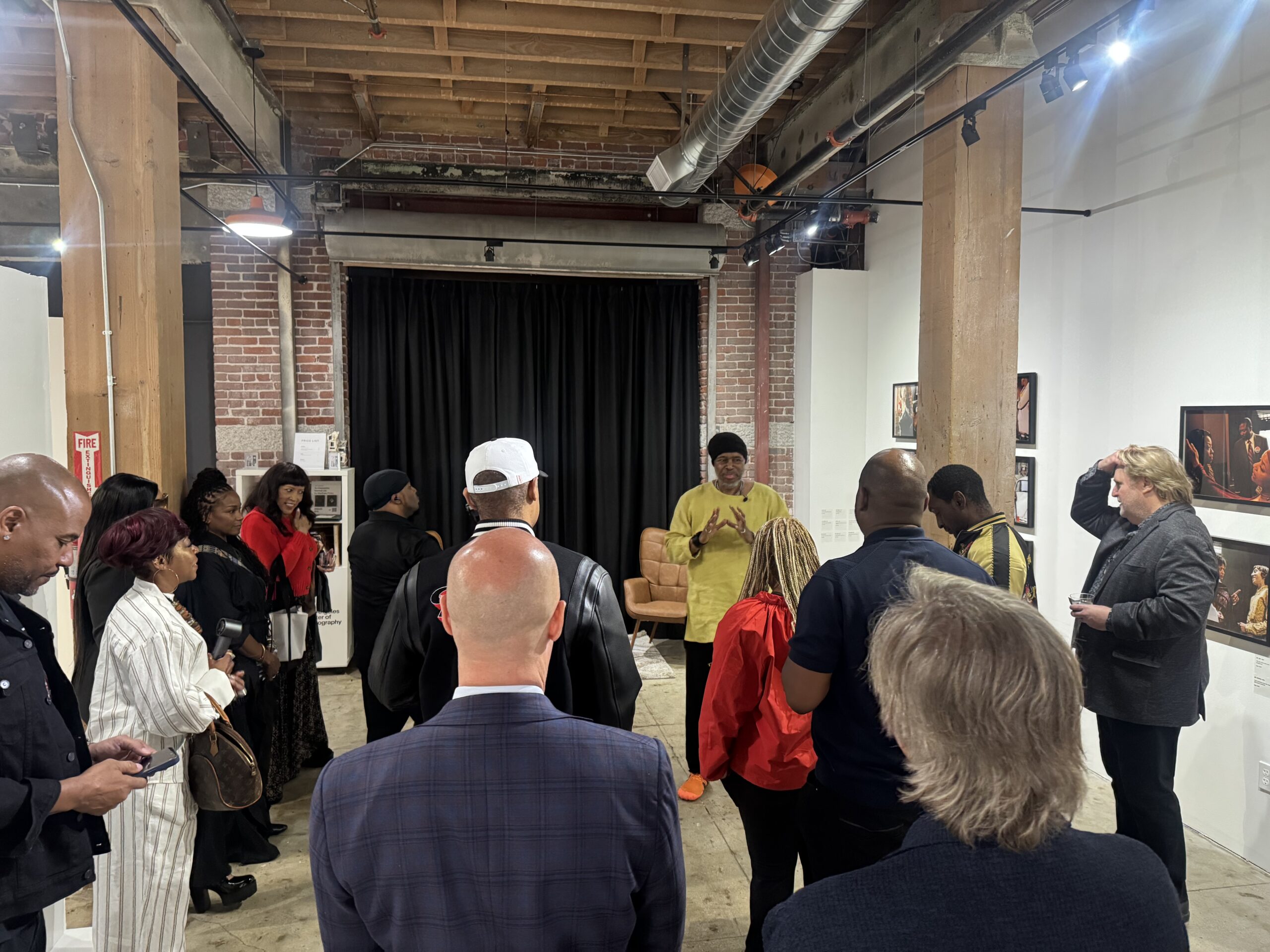
A look inside Ali LeRoi’s photography “Everybody Hates Exhibitions” exhibit and the lasting cultural impact of Everybody Hates Chris
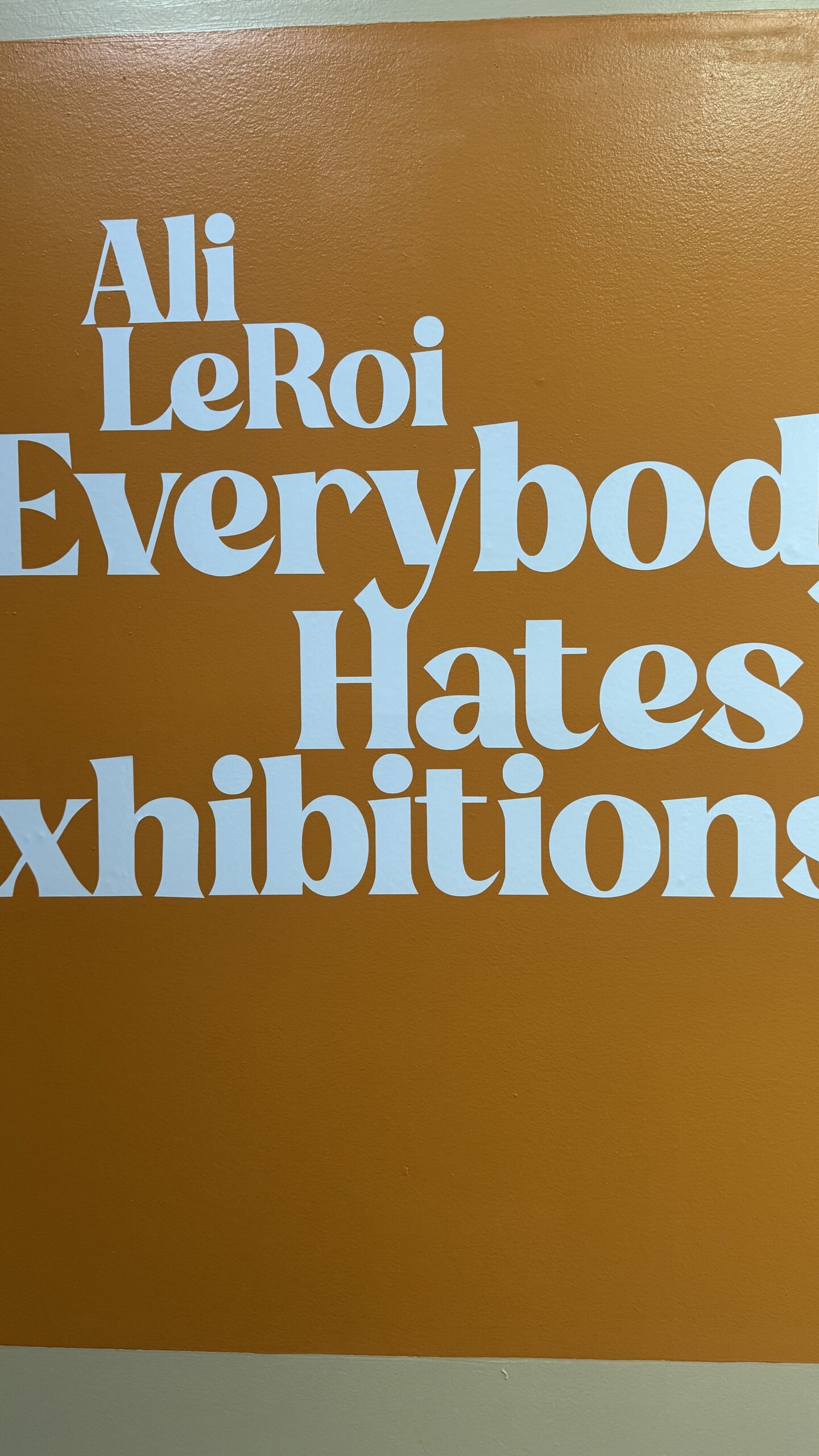
Some work becomes so embedded in culture that you forget how powerful it actually was. Everybody Hates Chris was one of those shows. It didn’t arrive with overwhelming promotion or a major industry push, but it didn’t need to. It traveled on something deeper—truth. From America to Brazil and beyond, it reached people across cultures because it felt familiar. There was a down-home authenticity to it that cut across race, class, and geography. You didn’t have to grow up in Brooklyn to understand it. You just had to understand family. Whether you were raised by parents like Julius and Rochelle or wished you had been, the show connected in a way that felt personal. It made you laugh when you didn’t feel like laughing and gave you warmth when you didn’t expect it. It told stories that felt small on the surface but were universal at their core.
Ali LeRoi: The Vision Beyond the Screen
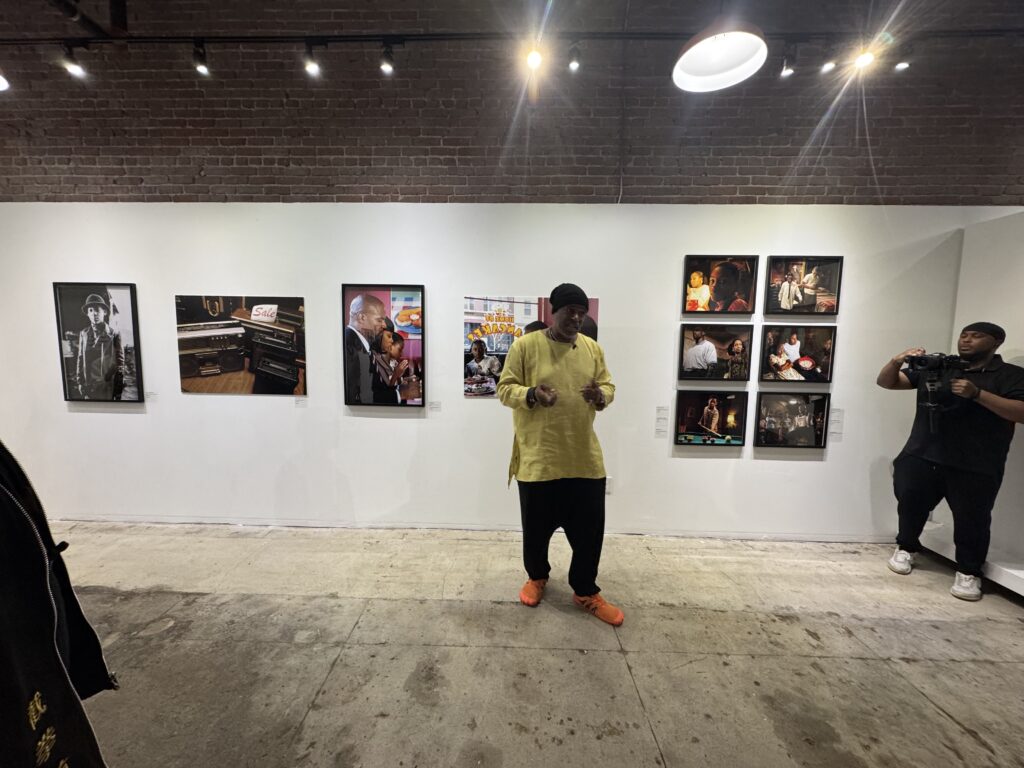
We’ve come to know Ali LeRoi through what we’ve seen—his work in comedy, writing, directing, showrunning, and music—but what happens when the artist you’ve observed from one angle reveals another, and it carries the same level of depth? That’s what this exhibition represents. LeRoi isn’t just a creator of moving images; he’s a collector of moments. His photography, taken quietly on the set of Everybody Hates Chris, reveals something we never had access to while watching the show. These weren’t promotional stills or staged portraits. These were lived moments captured in between takes, during rehearsals, and in the quiet spaces where performance drops and real humanity shows itself. Seeing that work reframes how you understand him as an artist. He doesn’t present himself like a Hollywood figure chasing attention, even though his résumé allows him to. Instead, he carries a quiet, grounded presence—calm but commanding—and that same presence lives inside his images.
The Life Inside the Still Frame
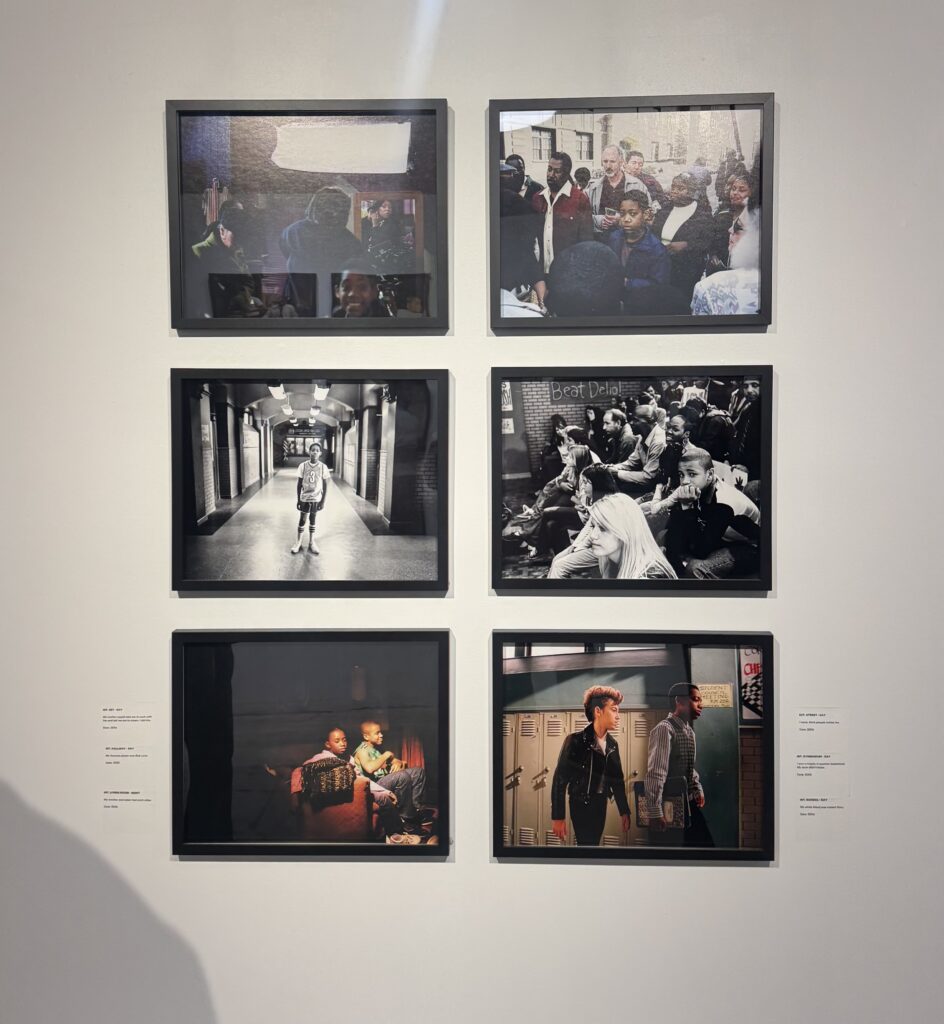
There’s something distinct about these photographs that separates them from traditional behind-the-scenes imagery. They don’t feel posed or directed. They feel lived. LeRoi didn’t ask actors to perform for the camera; he allowed them to exist within their own rhythm. In doing so, he captured something rare—truth without interruption. Every image feels alive, not because something dramatic is happening, but because something honest is unfolding. You feel like you’re not just looking at a photograph but stepping into a moment that already existed without you. That level of awareness doesn’t come from photography alone. It reflects a musician’s sense of timing, a comedian’s awareness of space, and a director’s understanding of human behavior, all operating at once.
Memory, Vulnerability, and the Wait
What gives this exhibition even more weight is the time it took for these images to surface. LeRoi held onto them for nearly twenty years, not because they lacked value, but because releasing them required vulnerability. In his artist statement, he frames photography as a form of time travel—a way to return to moments that would otherwise disappear. But there is tension in that process. Shooting on a single-lens reflex camera means the mirror flips up at the moment of capture, blocking his view. In other words, he doesn’t fully see the moment as it happens; he experiences it later. As he explains, these photographs document moments he never saw, inviting us to imagine what existed in that absence. That idea reframes the entire exhibition. These aren’t just images; they are reconstructions of memory, reflections that reveal as much about the artist as they do about the subject. Releasing them is not just artistic—it’s personal. It represents a breaking of silence and a willingness to be seen.
A Show That Became Family
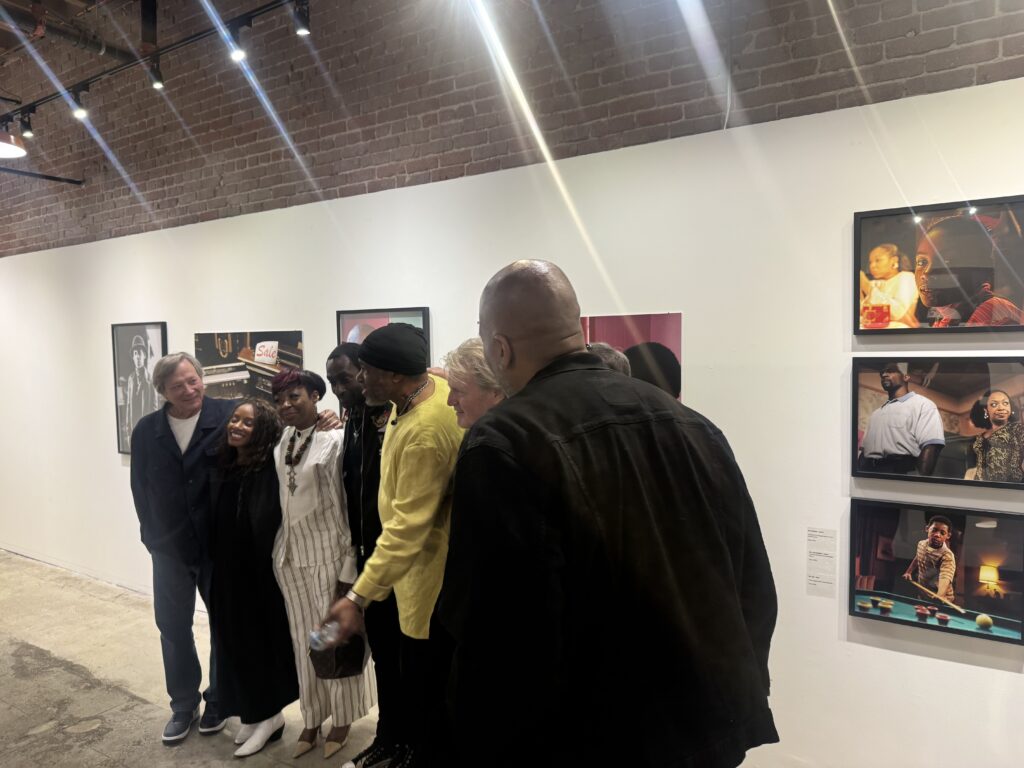
Being in that room, it became clear that Everybody Hates Chris was more than a television show; it was a shared experience that extended beyond the screen. In attendance were Tichina Arnold, Imani Hakim, and Jackée Harry, all showing up to support LeRoi. Their presence spoke volumes, not about celebrity, but about connection. The love that existed within that cast was still present, and it reinforced what audiences had always felt while watching the show.
When asked what the show meant to her, Tichina Arnold described it as growth, explaining that it marked the first time she played a mother, the first time she was number one on a call sheet, and the first time she stood as a matriarch on a set of hundreds. She spoke about it as a turning point in her life, a new beginning that propelled her forward with no turning back. That perspective reframes the show entirely. What audiences experienced as comfort and humor was, for the people creating it, a period of personal and professional evolution.
LeRoi himself was navigating something just as personal. His father had passed just before the show began, and Chris Rock had also lost his father. That shared experience shaped the emotional core of what they were building. It wasn’t just storytelling—it was reflection. Tichina Arnold’s portrayal of Rochelle mirrored something real in LeRoi’s own life, reminding him of his mother and grounding the show in lived emotional truth.
The Artist in Every Form
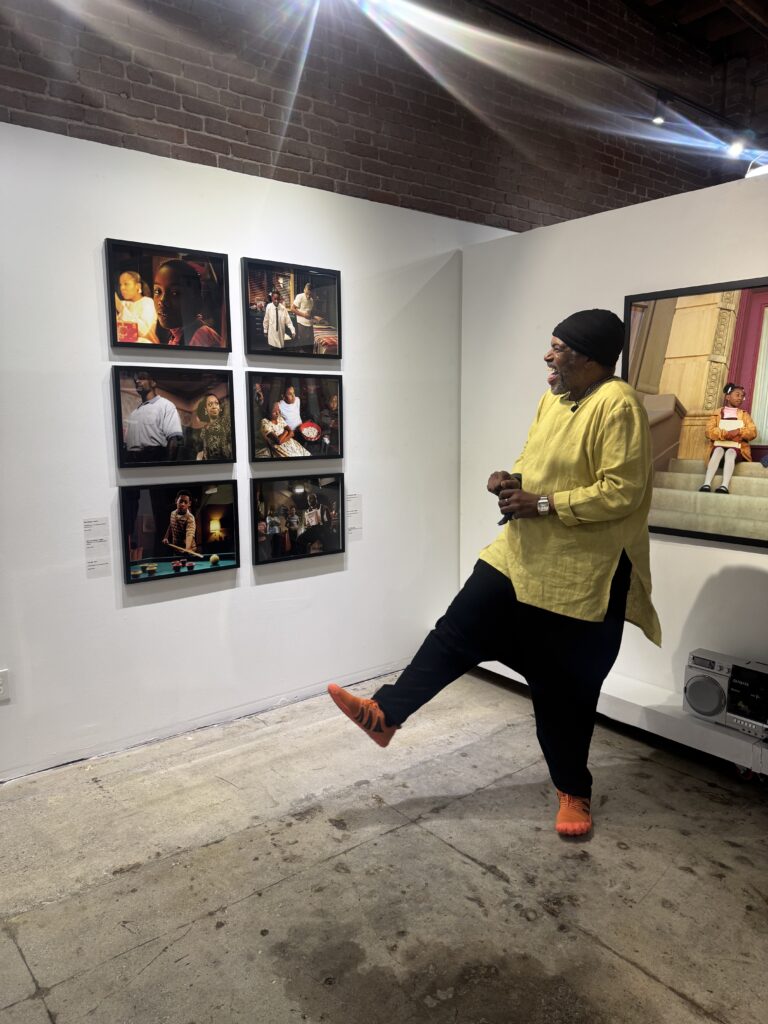
There is a larger point that extends beyond this exhibition, and LeRoi articulated it clearly when speaking about how his creative disciplines connect. For him, it all begins with images. He described having a visual language, explaining that even his words are visual, that music creates pictures for him, and that mood itself becomes imagery. Each form of expression—writing, music, photography—creates a different emotional response, but when combined, they form what he described as an “otherworldly sort of stew.”
He compared the process to cooking, explaining that great artists don’t work from recipes—they work from ingredients. They understand how elements interact, how one flavor enhances another, how texture and tone shift when things are combined. That idea lands especially strong when viewed through a musical lens. The greatest arrangers and producers have always understood that what’s written on paper is only a starting point. The notes are a template, but the real work happens in the sound—the tone, the texture, the feel, the tenor of each instrument. Artists like Count Basie, Quincy Jones, and Maurice White understood that the goal isn’t just to play what’s written, but to bring out each instrument’s impression on the music, to shape how it lives and breathes within the composition.
That’s what LeRoi is doing across mediums. He’s not just assembling pieces—he’s conducting them. The way a master producer builds a record, balancing sound, space, and emotion, LeRoi arranges his work in television, film, and now photography. Sound, color, imagery, and motion all become part of the same language. That’s why his photography doesn’t feel separate from his other work. It feels like another movement in the same composition.
Seeing the Artist From Another Angle
There’s something powerful about witnessing an artist reveal another dimension of themselves. We get accustomed to seeing people in one role, one identity, one space, and then suddenly, they expand. When that expansion is just as strong as the work that made them known, it forces a reevaluation. That’s what this exhibition does. It shows that the same creative mind responsible for shaping one of the most culturally impactful sitcoms of a generation is also capable of capturing deeply intimate, human moments through still imagery. And it does so without losing depth or intention. It’s a reminder that creativity isn’t confined—it’s layered.
The Takeaway
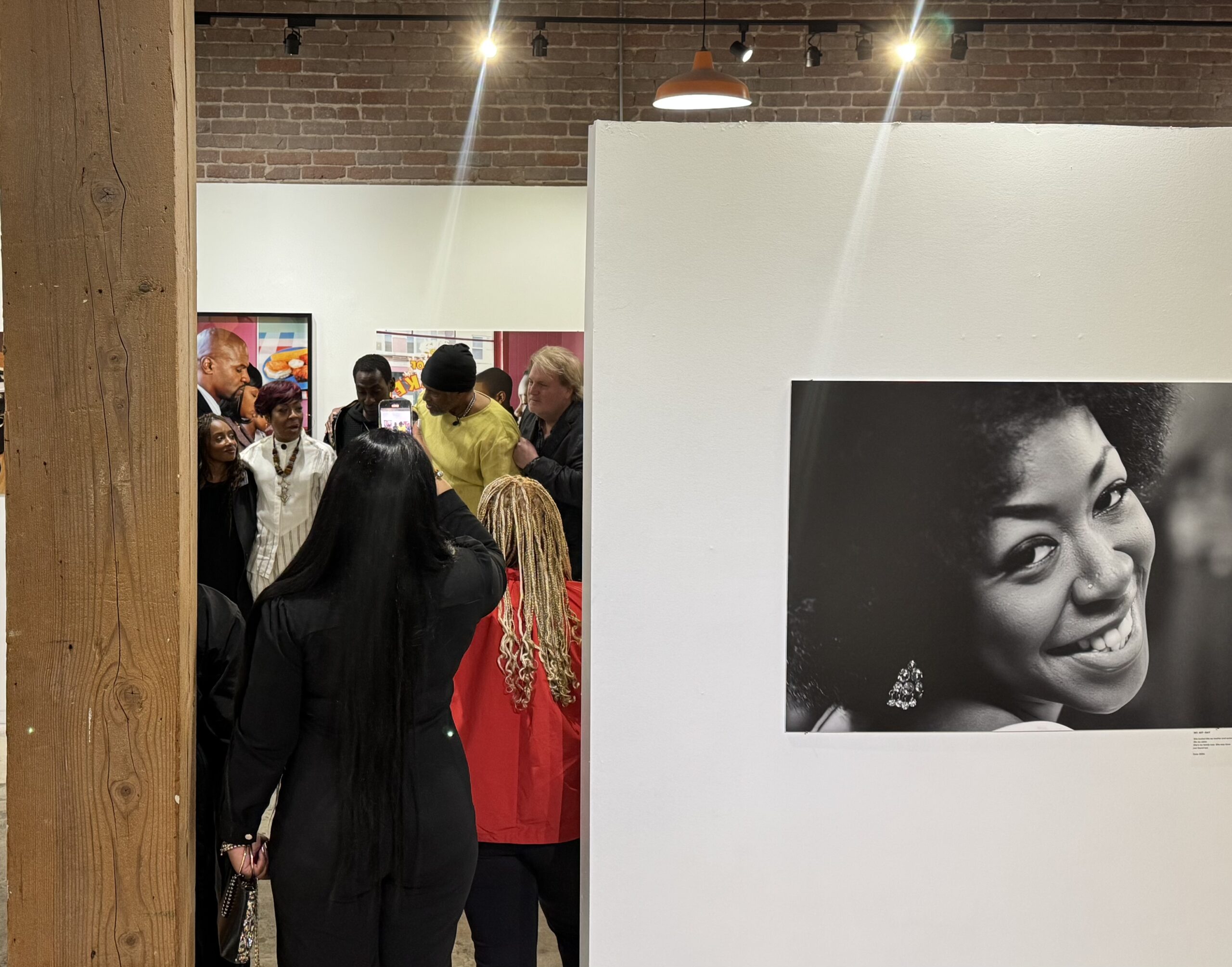
The experience ultimately lands on something simple but profound. Don’t limit your creativity. Artists often get boxed into the form they are known for, the lane that brought them recognition, but creativity doesn’t operate that way. It expands when it’s allowed to. LeRoi himself spoke about the hesitation he felt in releasing these images, the fear that comes with revealing something personal after holding onto it for so long. Yet he moved forward anyway, and that decision becomes part of the message. The work stands as a reminder to explore every form of expression you’ve been given and to trust that creativity doesn’t have boundaries unless you impose them.
Why You Should See It
Everybody Hates Exhibitions is more than a gallery showing; it is a continuation of a cultural moment that never really left. A show that made people laugh, healed something deeper, and provided warmth across generations now exists in another form. These photographs extend that legacy, offering access to moments that were never intended to be seen but carry the same emotional weight. Walking through the exhibition feels less like viewing images and more like stepping into memory, into family, into the quiet spaces that shaped everything else.
Exhibition Information
Ali LeRoi: Everybody Hates Exhibitions is currently on view through June 11, 2026 at the Los Angeles Center of Photography, located at 252 S. Los Angeles Street in downtown Los Angeles. For updates, hours, and additional information, follow @la_centerofphoto on Instagram.
Final Word
Ali LeRoi, through this exhibition, reminds us that creativity does not live in one form. It moves, it expands, and it shows up wherever we allow it. Whether you identify as an artist or not, the message is clear—express every part of what you’ve been given. Too often, fear is the only thing standing in the way.
LeRoi was open about his hesitation, his concern about how the work would be received, even while viewers stood in front of these images with appreciation, gratitude, and a sense of connection. What makes this body of work even more powerful is the moment it came from. During a period marked by a cancer scare, a divorce, and what could easily be seen as one of the most difficult times in his life, he created something deeply moving. Out of that low point came a level of beauty that speaks louder than the circumstances surrounding it.
This exhibition is more than photography. It is an extension of the same warmth, humor, and emotional truth that defined Everybody Hates Chris, now expressed through a different medium. The love shown by his former cast and crew reflects that truth. It confirms what the work already tells us—this is real, this is felt, and this matters.
We are not just one thing. We are all of us. And if we can move past fear, we give ourselves the opportunity to express every part of that.
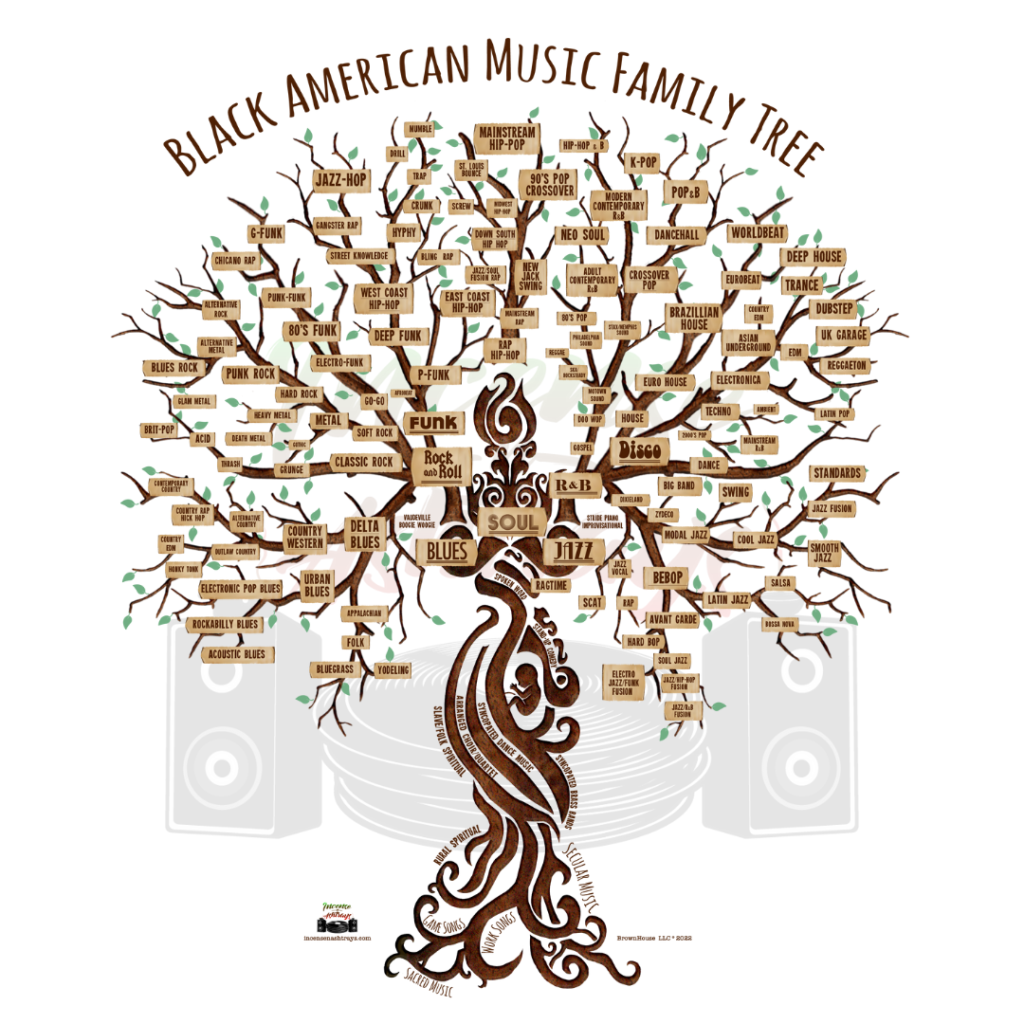
IncenseNashtrays supports the BAM Family Tree Historical Foundation, a 501(c)(3) dedicated to preserving and documenting Black American music and culture.
Support the movement at bamfamilytree.org.