
A New Jazz Tradition Begins on the California Coast
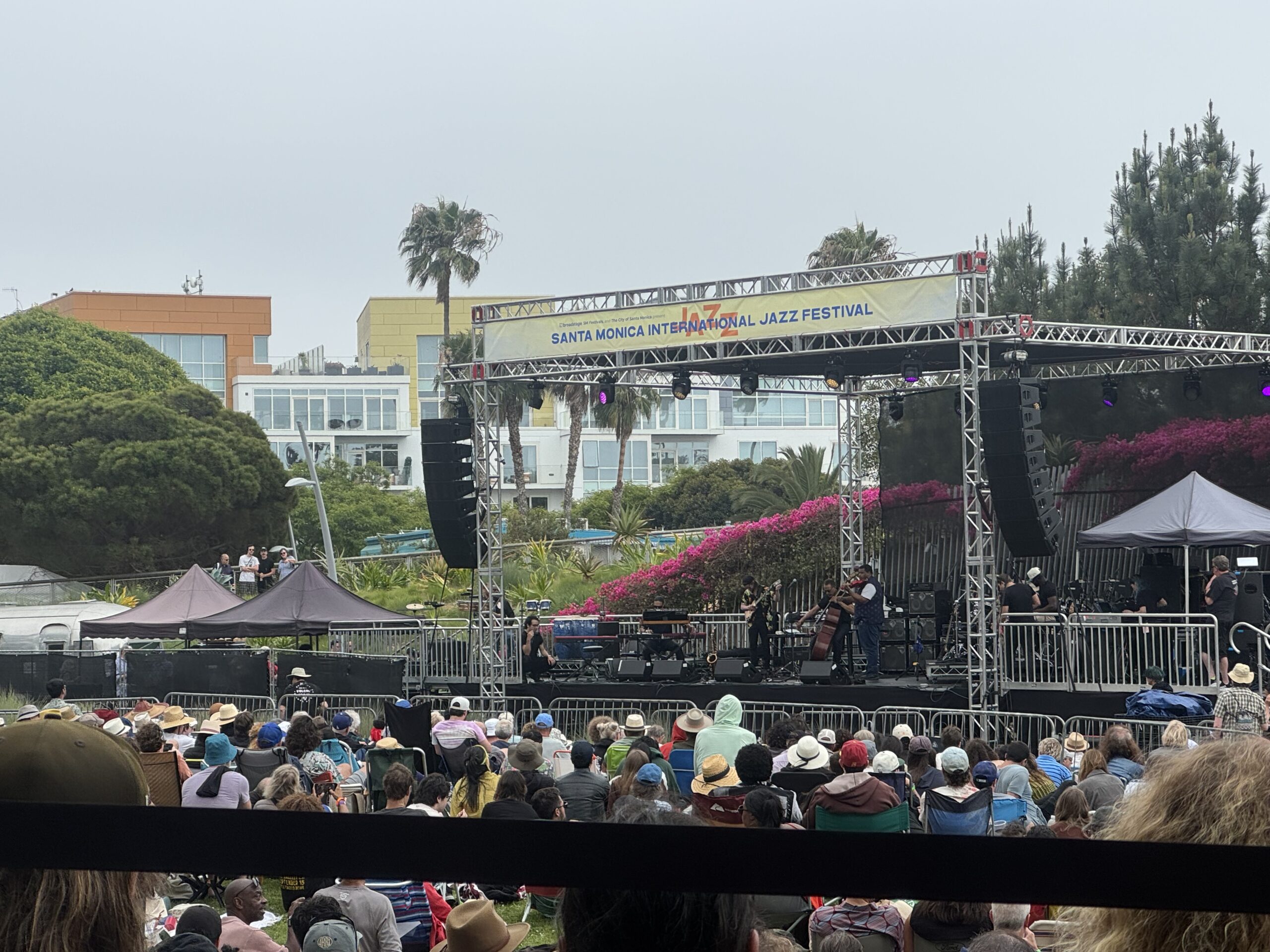
There are certain events where you can immediately feel that something important is happening in real time. The inaugural Santa Monica International Jazz Festival felt like one of those moments.
Held at Tongva Park overlooking the Pacific Ocean near the Santa Monica Pier, the festival carried the feeling of a city finally embracing the depth of its own musical culture. Los Angeles has quietly become one of the greatest jazz cities in America over the last decade, yet the city’s musicians often do not receive the same hometown institutional support seen in places like New York or New Orleans. This festival felt like a step toward changing that.
And if the first year was any indication, Santa Monica may have just created one of the premier jazz destinations on the West Coast.
Kamasi Washington Was the Perfect Headliner
I honestly cannot think of a better artist to headline the inaugural Santa Monica Jazz Festival than Kamasi Washington.
Kamasi represents modern Los Angeles jazz in the same way that artists like Herbie Hancock represented certain eras of Los Angeles fusion and experimentation decades ago. He is rooted in the city. Rooted in Leimert Park. Rooted in community. Rooted in musicianship.
And most importantly, he understands how to make jazz feel large without losing its soul.
I was there nearly a decade ago when Kamasi performed on the Santa Monica Pier. That crowd was massive. The pier was packed. The beach was packed. It looked like thirty thousand people had gathered to hear spiritually driven jazz music in public. That moment showed that Kamasi was not just another respected jazz musician. He had become a cultural force in Los Angeles.
So seeing him headline this festival felt natural. Necessary even.
Leimert Park’s Musical Legacy Was On Full Display
One of the most beautiful things about Kamasi Washington is that he moves like the great jazz bandleaders before him. He brings his community with him.
This was not just a Kamasi Washington performance. This was a gathering of Los Angeles musical royalty.
The stage was filled with killers:
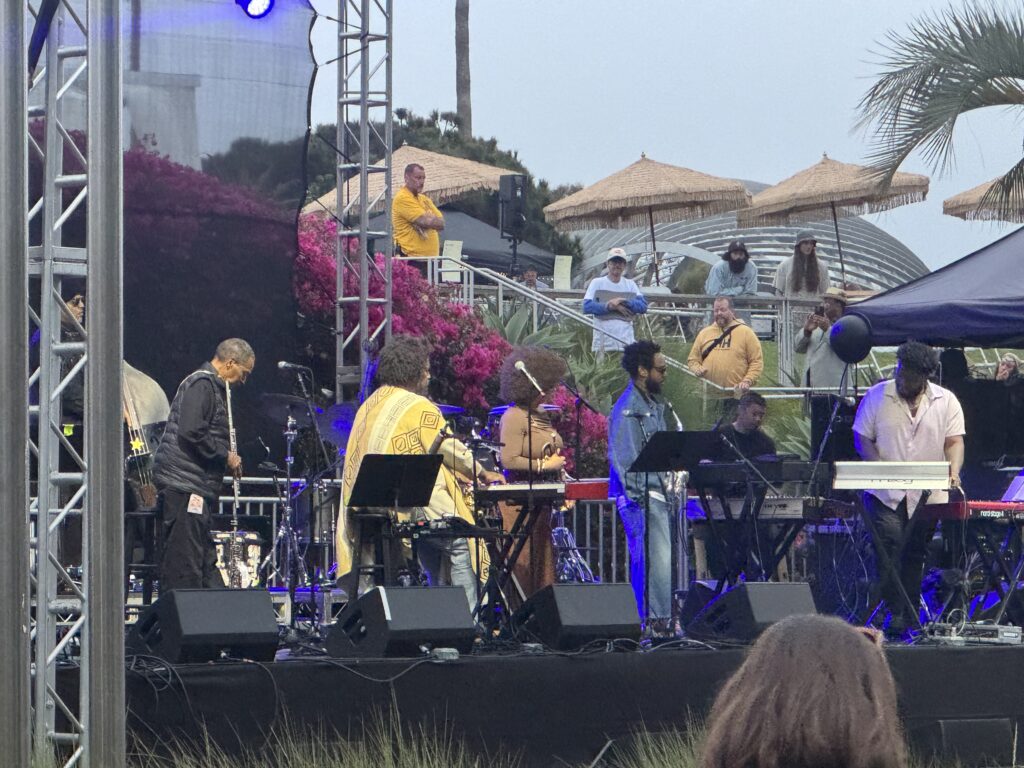
- Tatiana Tate on trumpet
- Tony Austin on drums
- Terrace Martin on alto saxophone
- Kamasi Washington on tenor
- Rickey Washington on flute
- Brandon Coleman on keys
- Miles Mosley on bass
- Battlecat on percussion
- Patrice Quinn singing
This was an all-star cast of musicians deeply connected to the modern Los Angeles sound.
And that matters.
People often talk about Kendrick Lamar’s music as if its sophistication appeared out of nowhere. It did not. Part of what makes Kendrick’s catalog so sonically rich is the level of musicians surrounding him. Artists like Terrace Martin and Kamasi Washington helped bring live arrangement, jazz harmony, spiritual depth, and musical complexity back into mainstream hip hop spaces.
You can hear the difference.
That Los Angeles jazz lineage matters more than people realize.
Stanley Clarke Curated the Festival Like a Jazz Elder
The festival itself was coordinated by the legendary Stanley Clarke, who also performed as one of the featured acts.
Stanley Clarke continues the tradition of the great jazz elders bringing younger musicians into larger spaces. That mentorship lineage is one of the reasons jazz survives generation after generation.
And his band sounded incredible.
There was no feeling of nostalgia for nostalgia’s sake. The music still felt alive. Urgent. Physical.
That was one of the strongest aspects of the entire festival overall. This was not jazz presented like museum music. It felt current. Living. Connected to Los Angeles right now.
Tongva Park Was Built for This
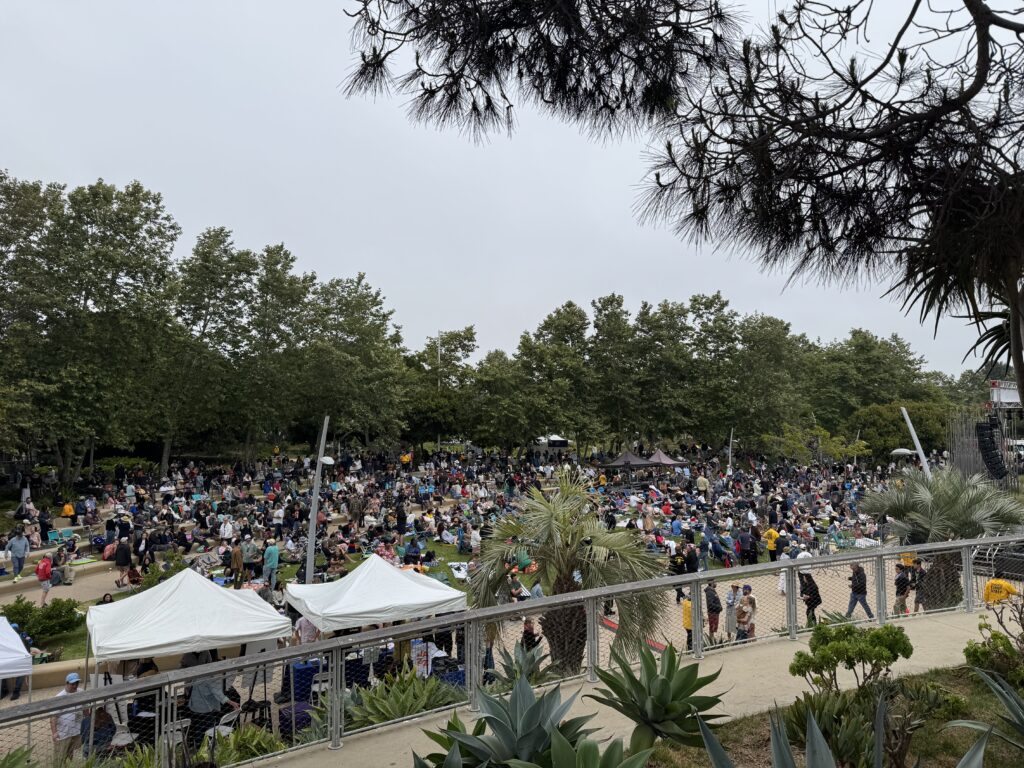
The location itself deserves praise.
Tongva Park may honestly be one of the best outdoor jazz venues in Southern California.
The day began warm and sunny before turning cold and overcast later in the evening, but the music kept the crowd there. That says everything.
Normally at jazz festivals, especially outdoor ones, you see large portions of the crowd disappear midway through the headlining set once temperatures drop. That did not happen here. Kamasi’s performance kept people locked in.
The park sits beautifully beside the Santa Monica Pier and was extremely accessible. Great parking nearby. Metro rail access directly to the area for people who did not want to drive. The layout itself worked naturally for live music.
What stood out most to me technically was that the park appeared to be wired directly for sound. I noticed very few visible generators. Everything felt surprisingly clean from a production standpoint.
The only real improvement I would suggest for future festivals would be additional reference speakers further outside the central listening area. If you moved too far to the sides or toward the back, certain instruments became harder to hear clearly. But outside of that, the production and layout were excellent.
A Beautiful Tribute to Ryan Porter
The night closed with one of the most emotional moments of the festival as Kamasi Washington and the band performed “Together” from Fearless Movement, a song connected to Ryan Porter.
Porter, the original trombonist of the West Coast Get Down, is one of the premier jazz artists of this generation. His album The Optimist remains one of the defining modern Los Angeles jazz records. Ryan was unable to make the performance, and Kamasi genuinely seemed shaken by his absence.
As incredible as the band sounded, I missed Ryan Porter’s tone and texture on trombone. His sound brings a certain emotional weight to the West Coast Get Down that cannot easily be replaced.
It was a powerful way to close the evening and a reminder that Los Angeles jazz is more than a scene. It is a musical family.
The Beginning of Something Important
This was the first Santa Monica International Jazz Festival.
But hopefully it was also the beginning of a long tradition.
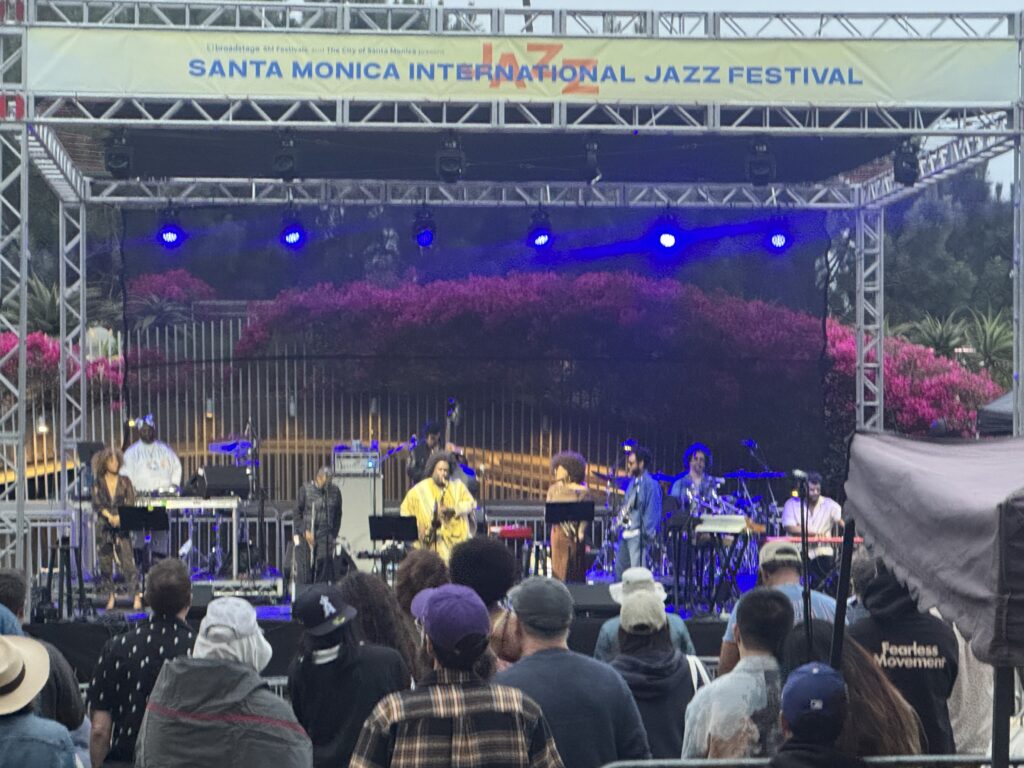
The city of Santa Monica deserves credit for embracing local jazz culture instead of outsourcing its musical identity. Los Angeles already has the talent. Already has the musicians. Already has the history.
The festival simply provided the space for the city’s sound to breathe publicly.
And judging from the crowd response, the appetite is clearly there.
If this festival continues to grow while staying connected to the actual Los Angeles jazz community that birthed artists like Kamasi Washington, Terrace Martin, Brandon Coleman, and so many others, Santa Monica may have created something very special.
Not just another festival.
A cultural institution.
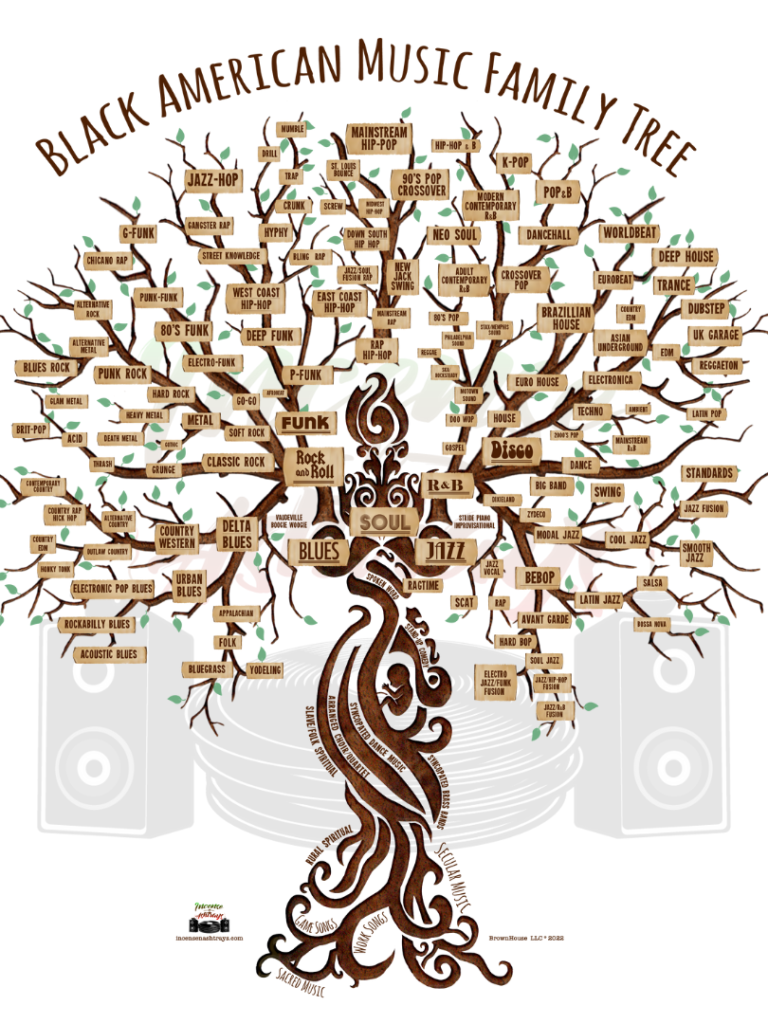
IncenseNashtrays supports the Black American Music Family Tree Historical Foundation, dedicated to documenting, preserving, and celebrating over 400 years of Black American musical genius.