
How Songs in the Key of Life and Spirit Became Two of Music’s Highest Spiritual Statements
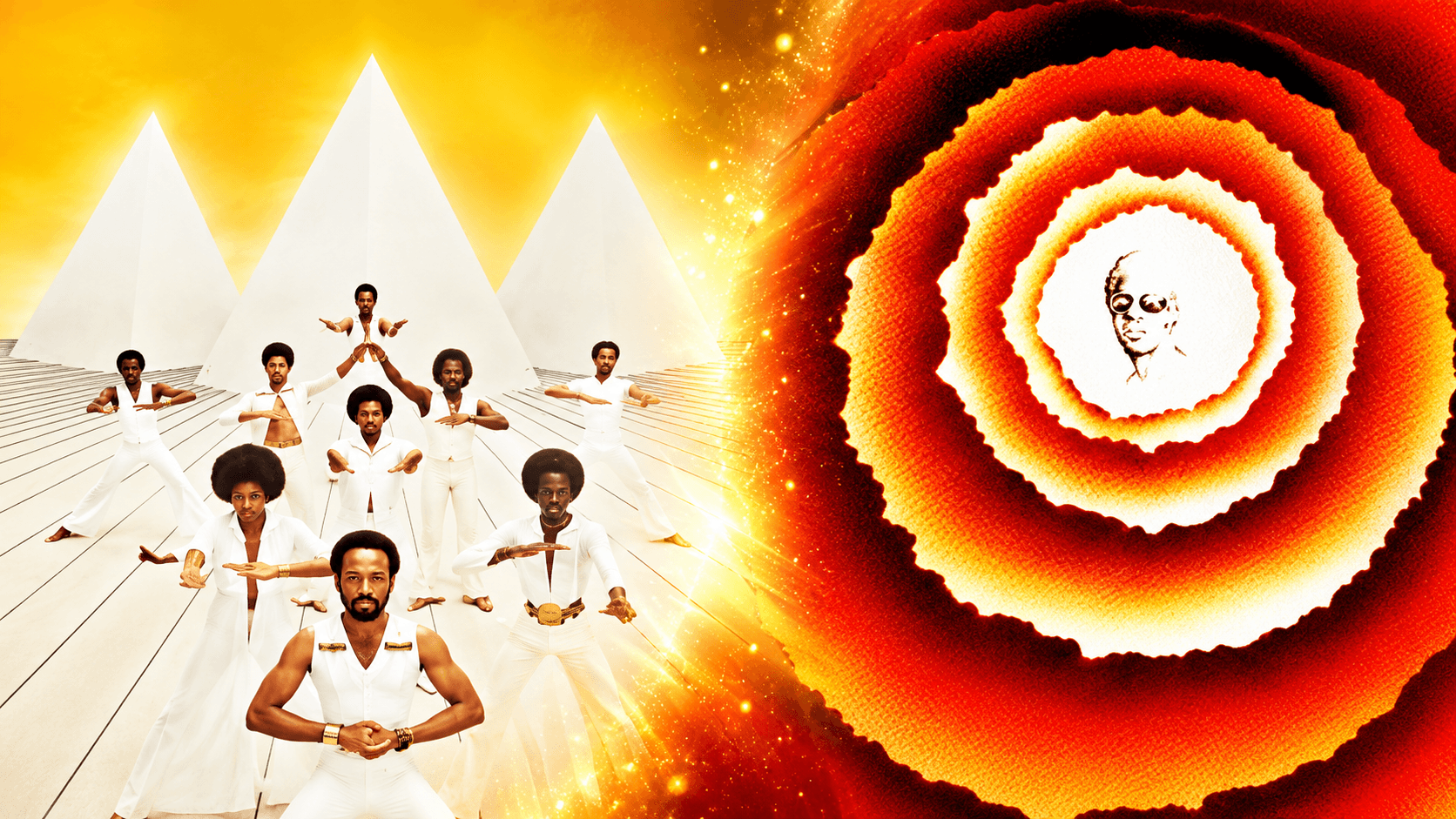
September 28, 1976, may be the greatest single day in album-release history—the day Stevie Wonder’s Songs in the Key of Life and Earth, Wind & Fire’s Spirit hit the world.
That is the date commonly given for both Stevie Wonder’s Songs in the Key of Life and Earth, Wind & Fire’s Spirit. Motown lists Stevie’s album as October 8, 1976, so there is a real release-date dispute around it. But whether you place Songs in the Key of Life on September 28 or October 8, the larger point remains: two of the most monumental albums ever made arrived at virtually the same moment.
And in my opinion, 1976 was the greatest year in music history.
This article is not about album sales, chart positions or pop hits. It is about the depth of the music on these albums.
You will notice I make very little mention of the biggest hits from either project. That is intentional. Music is deeper than hits. A great artist’s B-side music is often better than the A-side music everybody knows. The singles may introduce you to an artist, but the album cuts are often where they tell you who they really are.
Songs in the Key of Life and Spirit are two albums that reward you for sitting down, listening all the way through and allowing yourself to be taken somewhere.
In my opinion, they are two of the highest forms of spirituality through music. They are more spiritually uplifting than most gospel music and most music that gets labeled “spiritual.” If you truly dig into them, they can lift your mood and lift your spirit. You will leave both albums feeling better than you did when you started them.
That is what joins these two projects together.
These are not just albums to hear. They are albums to live with.
These Albums Did Not Come Out of Nowhere
Neither Stevie Wonder nor Earth, Wind & Fire simply woke up in 1976 and made a masterpiece. Both had worked their way toward these mega albums through years of growth, risks, changes and musical discipline.
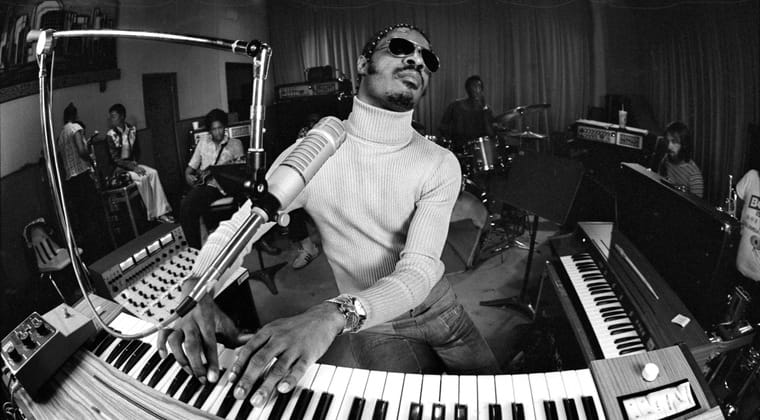
Stevie Wonder’s legendary run began with Music of My Mind in 1972. Later that same year, he released Talking Book. Then came Innervisions in 1973 and Fulfillingness’ First Finale in 1974.
That is an unbelievable four-album run in less than three years.
Stevie had established a rhythm of releasing an album every year—and in 1972, he gave the world two. So when 1975 came and there was no new Stevie Wonder album, the anticipation began to grow. Songs in the Key of Life had originally been expected around late 1975, but Stevie kept working. He kept adding, refining, remixing and expanding the vision.
The album was delayed for over a year. By the time it finally arrived in 1976, the expectations were already sky-high.
And Stevie did not just meet them. He went far beyond them.
Songs in the Key of Life was not one album’s worth of music. It was two full albums, plus an additional four-song EP, filled with more than twenty songs. Stevie gave the public a complete musical world: funk, gospel, jazz-funk fusion, swing, big-band influence, Brazilian and Latin rhythms, social commentary, spiritual reflection, love songs and futuristic electronic sound.
Stevie’s story is also the story of a child star growing into a man determined to control his own art. He went from “Little Stevie Wonder” to fighting for the independence and creative space to make music on his own terms.
The result was an artist who could write, produce, arrange, sing, play piano, play drums and use the studio as an extension of his imagination.
By the time Songs in the Key of Life came out, Stevie Wonder was not simply making albums.
He was creating musical universes.
Earth, Wind & Fire had their own road.
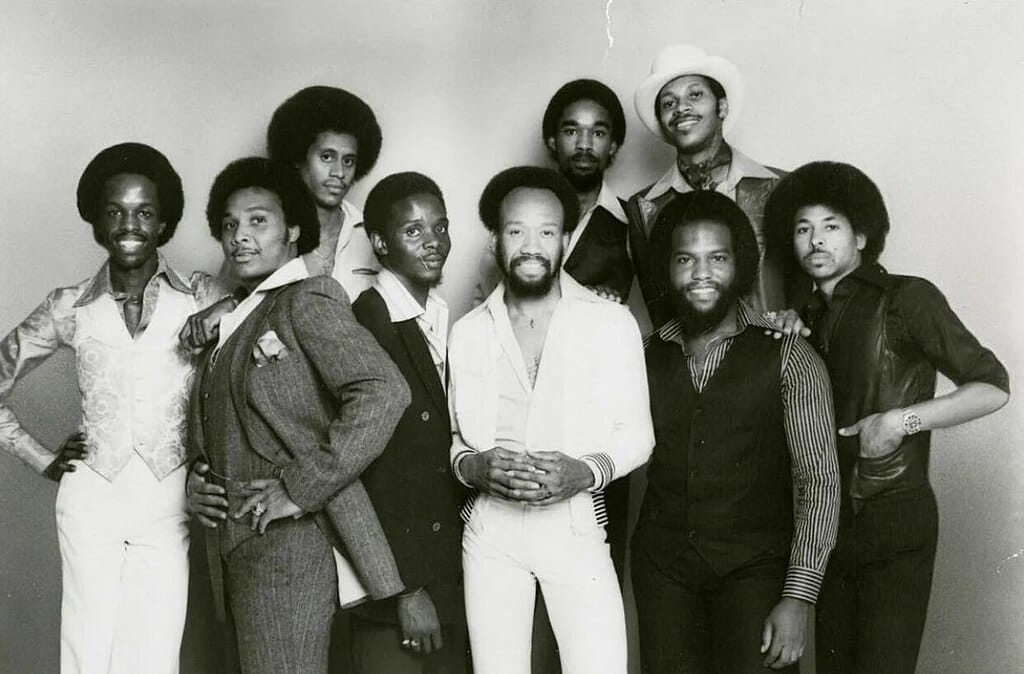
Maurice White rebuilt the group into the band that would become the Earth, Wind & Fire people know and love. The earlier version of Earth, Wind & Fire was made up largely of Maurice White’s contemporaries. But this new band was young, full of energy and still moldable.
By Head to the Sky in 1973, the foundation was taking shape. Open Our Eyes followed in 1974. Then came That’s the Way of the World in 1975, the signature statement that fully announced Earth, Wind & Fire as one of the greatest bands on earth.
But Charles Stepney was a major missing piece in that story.
Stepney helped Maurice White mold this young group into what it became. He brought arrangement, composition, musical discipline and a deeper spiritual sensibility to the vision Maurice was building. Maurice had the vision, but Charles Stepney helped give that vision structure, color and a higher musical language.
By the time Spirit arrived, Maurice White, Philip Bailey, Verdine White, Larry Dunn, Al McKay, Ralph Johnson, Andrew Woolfolk, Johnny Graham and the rest of that collective had developed a language together. They had the musicianship, spiritual vision, songwriting and trust in one another to make something as complete as Spirit.
Unfortunately, Charles Stepney did not live to see the album come out. He passed during the recording process. But his spirit is all over the project—and the album’s title is Earth, Wind & Fire’s tribute to the man who helped them become the band the world came to know.
That is important. Great albums rarely come from nowhere. They are usually the result of years of artists developing their gifts until they finally reach the point where everything clicks.
Stevie Wonder’s Songs in the Key of Life: A One-Man Musical University
When I was teaching myself how to play drums, I spent countless hours learning every song on Songs in the Key of Life.
Every song touched a different genre and taught a different lesson.
“I Wish” is funk. “Sir Duke” is funk, swing, jazz and disco all moving together. “Another Star” has a Latin feel and a straight-up groove. For an up-and-coming musician, this album was a smorgasbord of lessons in different textures—how to approach a rhythm, how to serve a song and how to move from one musical language to another without losing the feel.
Stevie Wonder has his own school of music vocally. He has his own school of songwriting. He has his own school of production. He has his own school of piano playing. He has his own school of drumming.
You could spend years studying any one of those disciplines through his work.
And the musicians around him were just as serious. Herbie Hancock, George Benson, Minnie Riperton, Nathan Watts, Greg Phillinganes, Raymond Pounds, Hank Redd and so many other great musicians helped bring this vision to life. But even with all that talent present, the album still feels like one singular mind guiding an entire universe.
One of the things that makes Songs in the Key of Life so important is the way Stevie used technology without losing the human feeling in the music.
On “Village Ghetto Land,” he used the Yamaha GX-1 to create an electronic string arrangement instead of using a traditional string section. Stevie, along with innovators like Herbie Hancock, was helping bring electronic sound into the language of soul, jazz, funk and Black American music in a major way.
But the technology never became the point.
The technology served the story.
At a time when strings on a major soul record were generally played and recorded live, Stevie showed that a keyboard could deliver a full orchestral feeling while still carrying real emotion and seriousness.
And he did not use that technology for empty effects. He used it to frame one of the album’s sharpest songs about poverty, inequality and people being ignored by society. The electronic strings make “Village Ghetto Land” feel beautiful, cold and haunting at the same time.
That is just one example of how much musical ground Stevie covers on Songs in the Key of Life.
“Love’s in Need of Love Today” is gospel at its core—a message about compassion, healing and the world needing more love.
“Contusion” is jazz-funk fusion, showing that Stevie could create musician-centered music as challenging as anything in the fusion movement.
“I Wish” is pure funk: bass, drums, clavinet and childhood memories locked into one of the deepest grooves ever recorded.
“Sir Duke” is a nod to swing, jazz and the big-band era—the musical giants who helped make Stevie’s own work possible.
“Ngiculela—Es Una Historia—I Am Singing” brings Brazilian fusion into the album’s world, combining global rhythm with Stevie’s joyful and spiritual writing.
“Another Star” moves into Latin fusion, with a groove that feels like it can go on forever.
Then there is “Pastime Paradise,” with its Hare Krishna bells and chants. That song created a dark, spiritual atmosphere that would later become a major part of hip-hop history when Coolio used it as the foundation for “Gangsta’s Paradise.”
That is why Songs in the Key of Life is more than a great album. It is a musical map. Stevie moves through gospel, jazz-funk fusion, funk, swing, big-band music, Brazilian influence, Latin influence, social commentary and new technology without the album ever feeling scattered.
He made all of those sounds feel like part of one complete vision.
Then there is “Isn’t She Lovely,” which carries something even more personal: the birth of Stevie’s daughter, Aisha. You hear the joy of a father welcoming life into the world. That is another part of what makes this album special. Stevie could move from social criticism to childhood memories, from romance to spiritual reflection, without ever losing emotional truth.
And then there is “Love’s in Need of Love Today.”
I remember what happened after September 11, when the Twin Towers fell. “Love’s in Need of Love Today” was one of the songs that seemed to be everywhere across radio during that first week. By then, the album was already twenty-five years old, but when America was going through one of its greatest tragedies, people reached back a quarter century for a song that could speak to what everybody was feeling.
That tells you something.
The song was not written for September 11. But it had enough depth, compassion and humanity to meet that moment anyway. That is what timeless music does. It keeps finding new people and new situations to speak to.
For my full review of Songs in the Key of Life, listen here:
Stevie Wonder — Songs in the Key of Life Album Review
Earth, Wind & Fire’s Spirit: Music That Can Lift You
Spirit is one of the most timeless albums ever made.
Philip Bailey’s performance on “Imagination” is, to me, one of the greatest vocal performances ever recorded. The range is incredible, but it is not just about range. It is the feeling, the purity, the control and the way his voice seems to open the music up to another level.
Then you have “On Your Face.”
That song is about not letting the world get you down. It is about being uplifted, being free, being open and being giving. It is a reminder that life can throw everything at you, but you do not have to let it steal your spirit.
That is one of the reasons Spirit is such a powerful album. Earth, Wind & Fire were not just trying to make people dance. They were trying to give people something to carry through life.
“Getaway,” to me, is about transcendental meditation. It is about getting down and meditating until you can get away—until you can go somewhere else through the power of meditation, rhythm and spirit. That is what music at its highest level can do. It can take you out of your immediate situation and reconnect you with something larger than yourself.
The album is also inseparable from Charles Stepney, Earth, Wind & Fire’s musical and spiritual guide. Stepney passed during the making of Spirit, and you can feel his presence throughout the project. The album title itself honors him.
You hear that feeling deeply on “Spirit” and on “Earth, Wind & Fire,” written by Skip Scarborough.
“Born of the Earth, our nature’s children / Breath of the wind, the breath of life / Touched by the fiery hands of God.”
That is music dealing with the elements of life, the cycle of existence and higher spirituality.
This is not shallow music.
This is music from people trying to understand life, death, joy, pain, purpose and the forces that hold all of us together.
The sound of Spirit is another part of its greatness. Maurice White and engineer George Massenburg were committed to pushing studio sound forward. The clarity of the vocals, the placement of the horns, the depth of the drums, the separation of the instruments and the balance of rhythm with orchestration all make the album feel like a complete sonic experience.
The studio was not just recording the band. The studio was part of the instrument.
Maurice White’s 1976 was bigger than just Spirit. His production work also reached Deniece Williams’ This Is Niecy and The Emotions’ Flowers. Those projects show how wide his musical vision was: he could help shape Earth, Wind & Fire’s spiritual and orchestral world while also helping create music for voices as distinct as Deniece Williams and The Emotions.
The same can be said for Stevie Wonder. Songs in the Key of Life was his great 1976 statement—the culmination of a run in which he had already transformed songwriting, arranging, production and the use of new instruments.
These men were not simply recording artists. They were builders of musical worlds.
The Island Test
People always ask: if you could only take five albums to an island for a year, what would you take?
Songs in the Key of Life and Spirit are absolutely two of my five.
Not because they have the most famous singles. Not because they sold the most records. Not because they are the easiest albums to name in a debate.
I would take them because they have depth.
You can listen to these albums when you are happy. You can listen to them when you are hurt. You can listen when you need motivation. You can listen when you need to remember that life is bigger than the problem in front of you.
You can study the drums, bass lines, vocals, piano, horn arrangements, songwriting, engineering and production. Or you can simply let the music carry you.
That is the highest purpose of music.
And that is why September 28, 1976 remains such an incredible moment to me. Two albums rooted in Black American musical brilliance, released at nearly the same time, still have the power to lift a person fifty years later.
To me, that is bigger than a hit record.
That is spiritual music.