
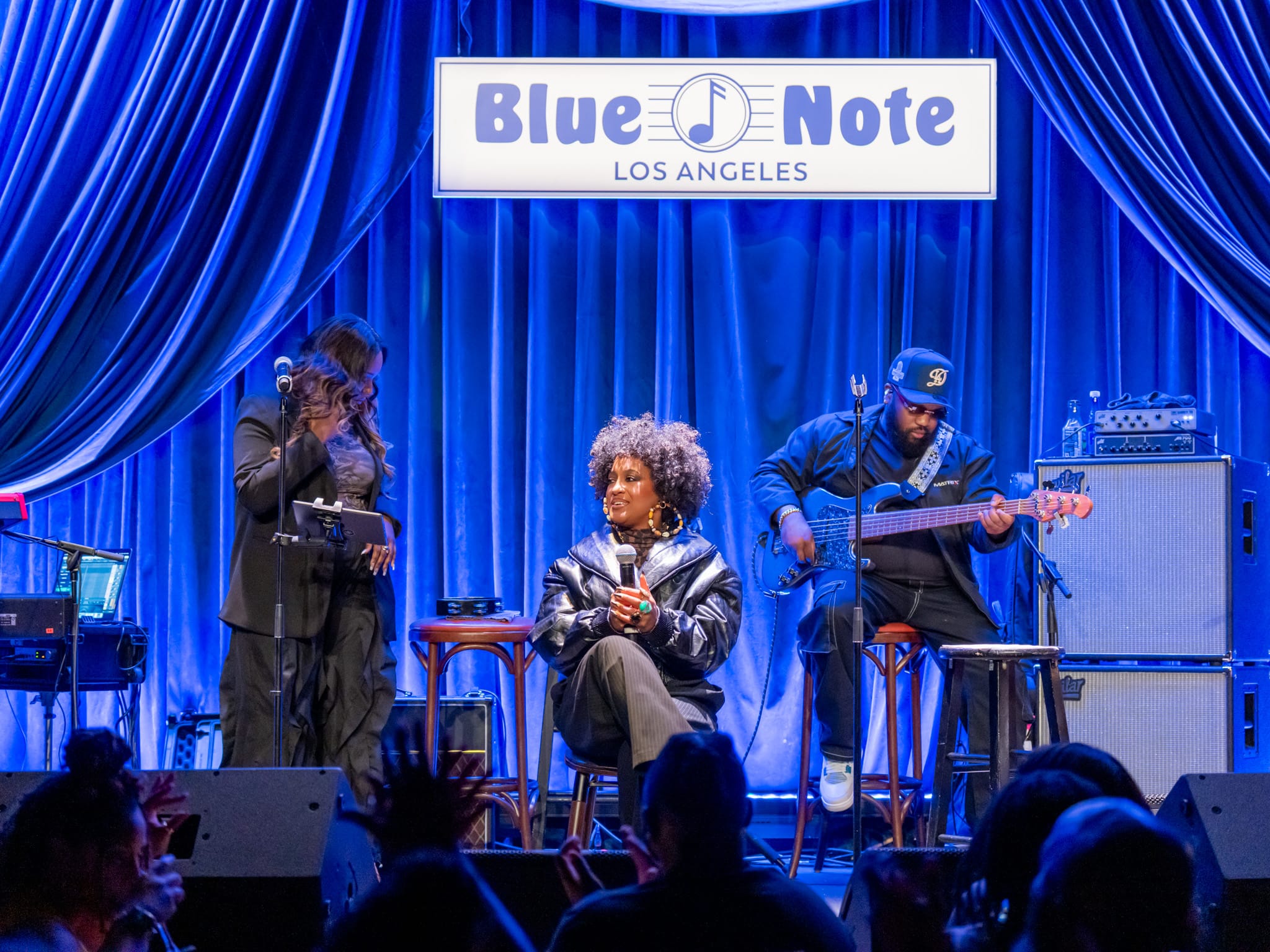
With God Gotta Afro & Gold Hoops and an extraordinary performance at the Blue Note, Rapsody reminds us that musical excellence has never gone out of style.
By Dwann Brown | Incense-N-Ashtrays
For years, we’ve heard the same complaints about the direction of hip-hop. Where are the lyricists? Where are the artists with something meaningful to say? Where are the women who can command our attention through intelligence, creativity, and musical ability rather than sexual exhibitionism? The irony is that while audiences continue asking these questions, artists like Rapsody have been providing the answers all along.
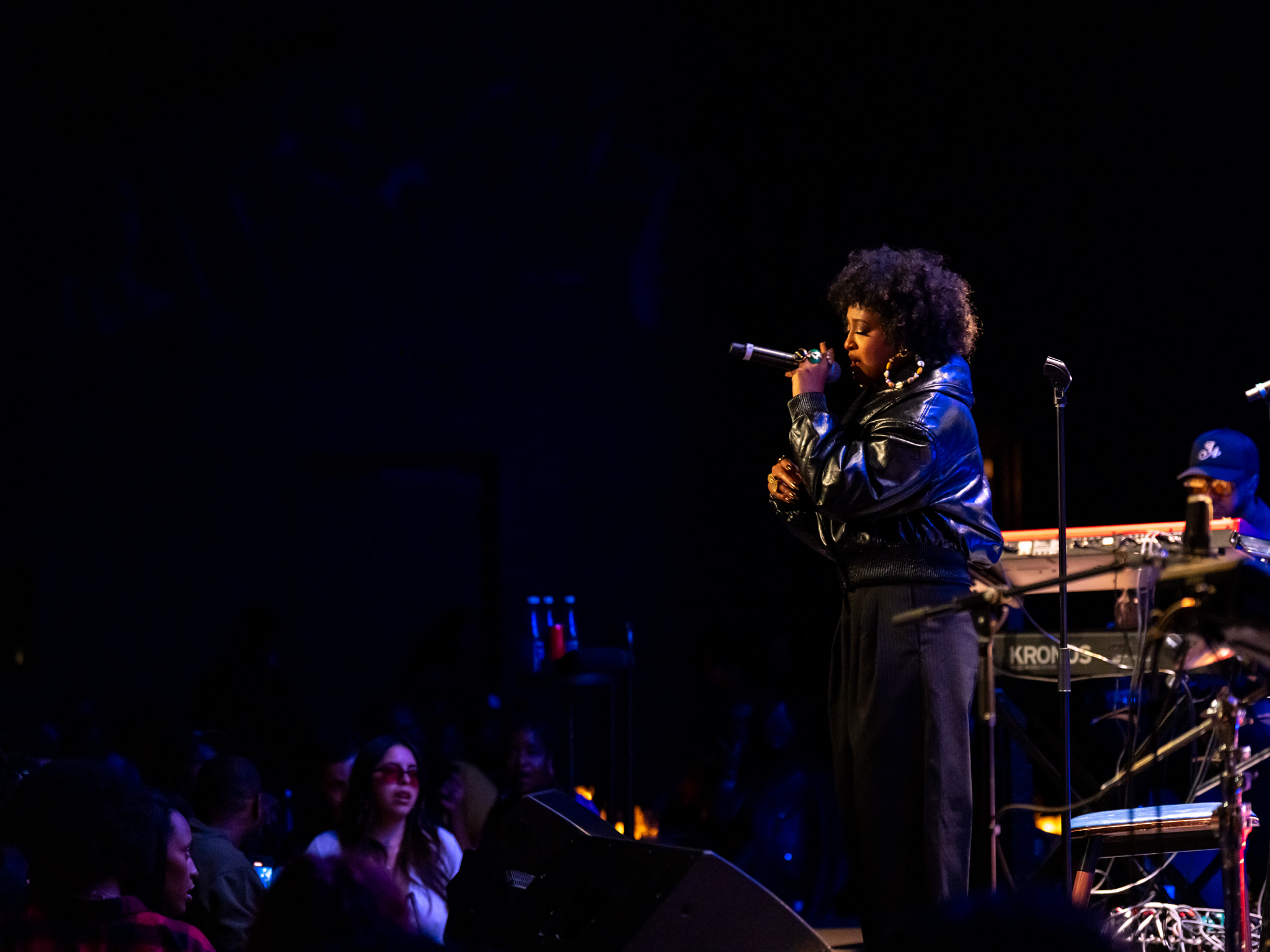
Rapsody is everything we’ve been saying we want from an artist, particularly a female MC. She’s beautiful, intelligent, introspective, and an extraordinary lyricist whose words challenge the mind while appealing to the emotions. Her music can inspire, provoke thought, offer comfort, and occasionally make you feel better about the world around you. More importantly, she’s a positive reflection of Black American society, something that deserves considerably more recognition than it receives.
She belongs to a tradition of female MCs I grew up admiring, including MC Lyte, Queen Latifah, Lauryn Hill, and Angie B, whom the world would later know as Angie Stone. These women approached hip-hop as musicians first, understanding rhythm, phrasing, storytelling, and the emotional possibilities of language. They possessed something that cannot be manufactured through marketing: an artistic identity rooted in musical substance.
Like those women, Rapsody doesn’t need to sell sex. She sells art. Her femininity is unmistakable, but it isn’t reduced to sexuality, nor does her music depend upon an excessive feminist agenda. She’s unapologetically pro-woman, expressing powerful ideas about womanhood, dignity, and self-respect without making gender antagonism the centerpiece of her artistic identity.
A man can enjoy a Rapsody album without feeling as though he’s just endured an episode of Oprah. Her music isn’t interested in diminishing men to elevate women. She celebrates her people, male and female, recognizing that our collective humanity is far more interesting than the divisions between us. Her perspective is distinctly feminine, but the appeal of her artistry is universal.
An Introduction Through Greatness
I first discovered Rapsody through her appearance on Kendrick Lamar’s To Pimp a Butterfly, specifically the song “Complexion (A Zulu Love).” In my estimation, To Pimp a Butterfly remains the greatest rap album of the 21st century, and it’s going to take something extraordinary to remove it from that position. It’s an ambitious, musically sophisticated project that demonstrates what hip-hop can accomplish when artistic vision takes precedence over commercial expectations.
Rapsody’s contribution immediately caught my attention. Her lyrical precision, rhythmic sensibility, and warm feminine presence complemented the album’s intensity without compromising its message. Her inclusion also revealed something important about Kendrick Lamar’s artistic maturity. Rather than selecting collaborators based exclusively on popularity, he demonstrated a willingness to prioritize musical ability. He chose someone because she was good, not simply because she was famous. That decision enriched an already exceptional album and introduced me to one of the finest MCs of her generation.
God Gotta Afro & Gold Hoops: An Album With Something to Say
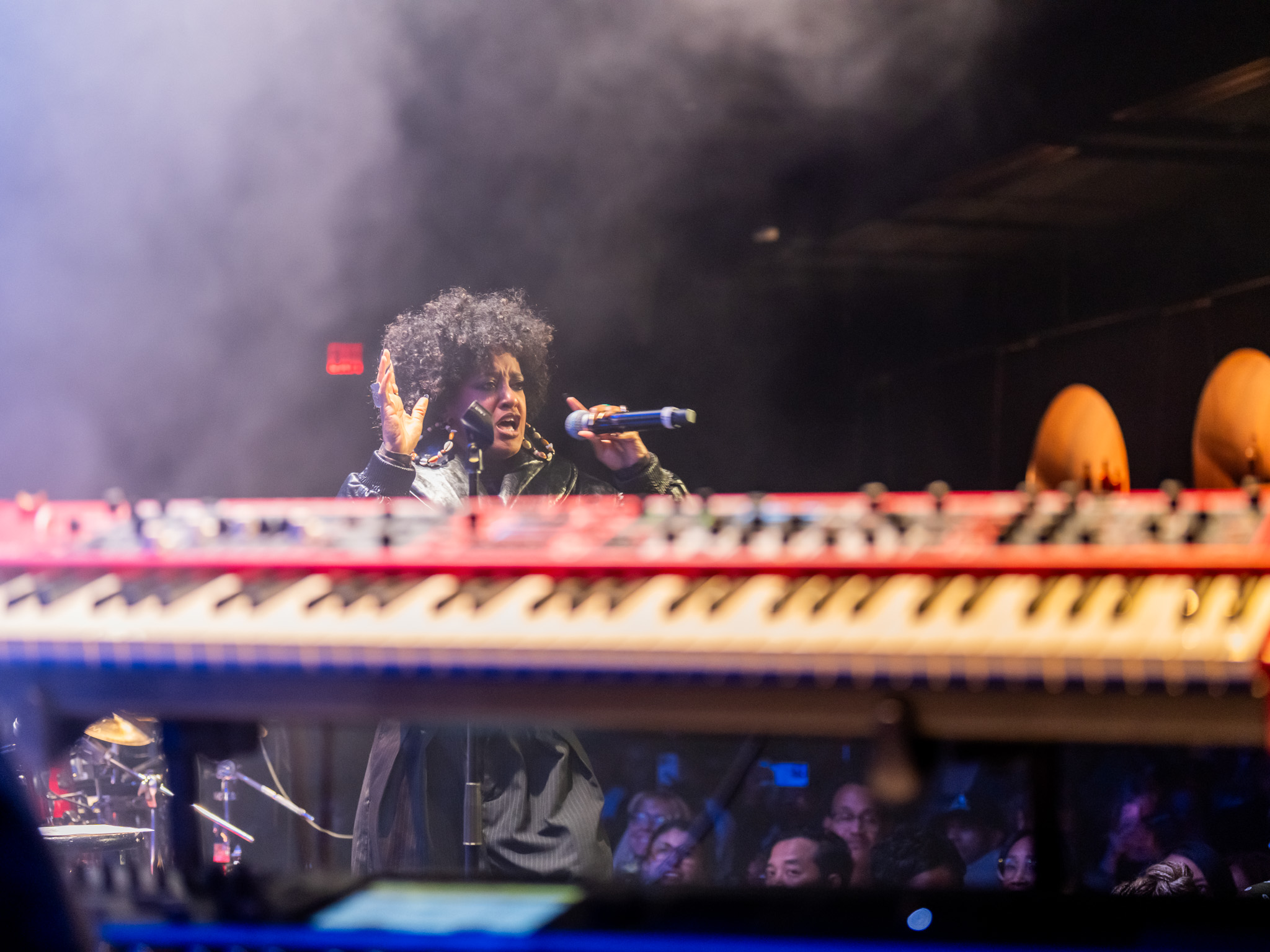
Rapsody’s latest project, God Gotta Afro & Gold Hoops, is a reminder of what happens when an artist approaches the album as a complete musical statement rather than a collection of songs designed to compete for streaming attention. There’s a consistent stream of consciousness throughout the project, with musical ideas and lyrical themes contributing to a larger artistic conversation. It has personality, direction, and, perhaps most importantly, purpose.
“God Gotta Afro” is particularly fascinating because it’s informative and antagonistic at the same time, a combination I absolutely love. The recurring chant feels almost like a playful provocation aimed at those who have spent generations attempting to convince Black people of their supposed inferiority. There’s humor in its defiance, but there’s also an unmistakable seriousness beneath the surface. Rapsody understands that music can challenge deeply embedded social ideas without becoming tedious or sacrificing its entertainment value.
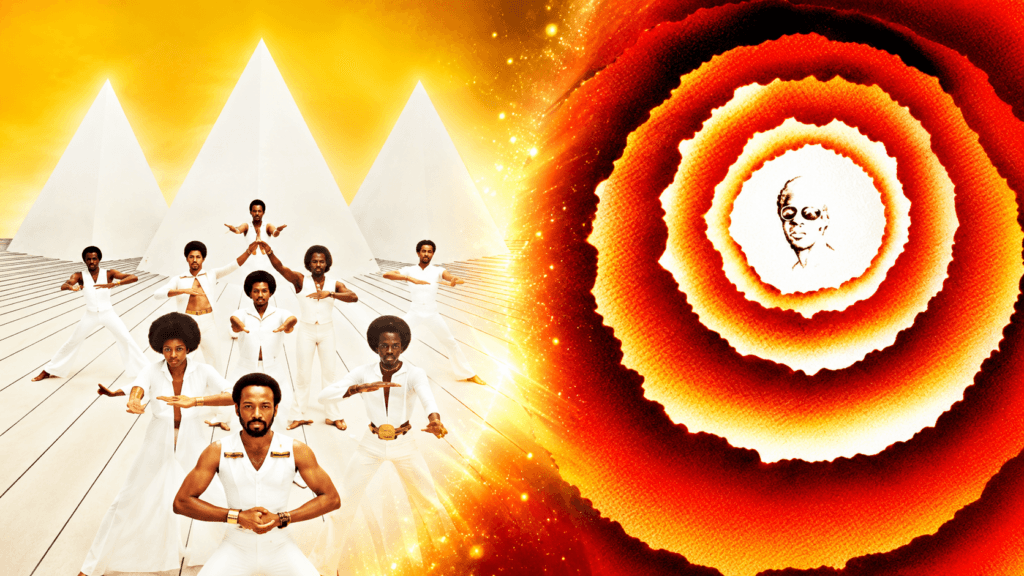
I also appreciate her incorporation of Sun Ra and the presence of George Clinton, who is given room to deliver the kind of wisdom and perspective that only he can provide. Clinton remains one of America’s greatest musical visionaries, and his continued involvement with younger artists deserves far more attention. From Sun Ra’s cosmic imagination to Clinton’s expansive approach to funk, Rapsody is participating in a musical conversation that spans generations of Black American creativity. She’s not attempting to recreate the past; she’s demonstrating an understanding of the musical lineage from which her own artistry emerges.
What makes the project particularly refreshing is its balance. The music is thoughtful without being burdensome, entertaining without being intellectually vacant, and rhythmically engaging without sacrificing lyrical sophistication. It reminds us that music can be fun, informative, danceable, teachable, relaxing, and emotionally rewarding, sometimes within the same composition.
When Popularity Becomes the Enemy of Excellence
I sincerely hope Rapsody isn’t discouraged by the streaming numbers associated with this project, because I believe those numbers may reveal more about the condition of contemporary society than they do about the quality of her music. America has spent decades dumbing down the sound of popular music, gradually conditioning audiences to accept increasingly simplistic arrangements, repetitive lyrical themes, and manufactured personalities as substitutes for musical sophistication.
This isn’t to suggest that all contemporary music lacks substance, but the commercial machinery increasingly rewards familiarity, immediacy, and algorithmic compatibility over artistic ambition. Rapsody’s album moves in the opposite direction, asking listeners to engage with music rather than merely consume it.
Furthermore, streaming figures require context. Growth and consumption patterns vary throughout the industry, and recent lawsuits involving allegations of artificial streaming have raised legitimate questions about the reliability of certain popularity metrics. None of this establishes that successful artists are universally manipulating their numbers, but it does demonstrate why streaming totals should never be mistaken for an objective measurement of artistic value.
If anything, God Gotta Afro & Gold Hoops illustrates the growing distance between musical excellence and commercial visibility. An artist can create an exceptional body of work without dominating the algorithms, just as an enormously popular recording can contribute very little to the advancement of music. History has repeatedly demonstrated that cultural importance and immediate commercial success are not necessarily the same thing.
An Extraordinary Evening at the Blue Note
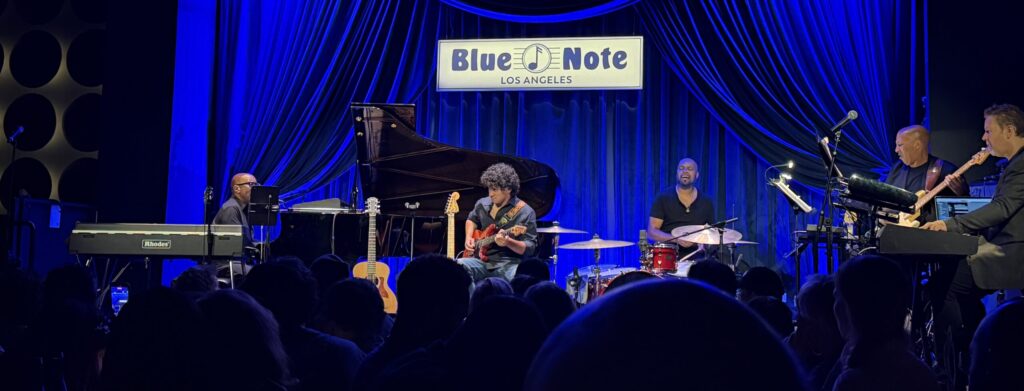
I’ve had the pleasure of experiencing Rapsody in several settings, including a performance at the Hollywood Bowl and an event last year where I heard her speak. I’ve also seen her twice at the Blue Note Hollywood, the first occasion being this past May. That performance was outstanding, featuring an excellent presentation that reinforced my appreciation for her abilities. However, her most recent appearance at the venue elevated my admiration considerably.
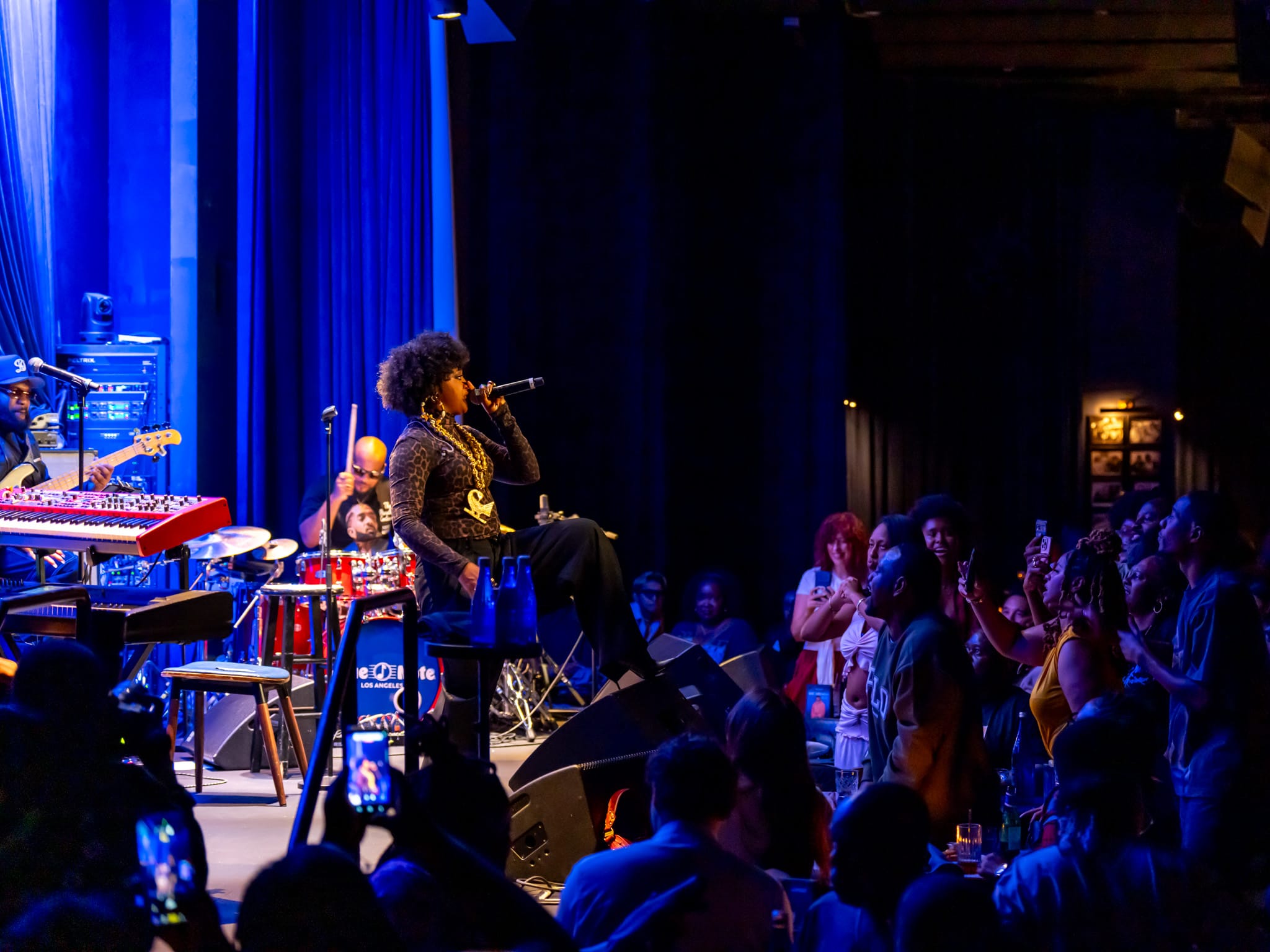
The musicianship was exceptional. Her band was outstanding, the accompanying vocalist was excellent, and the arrangements gave the performance a musical richness that is too often absent from contemporary hip-hop concerts. Rapsody even demonstrated her singing ability, which genuinely impressed me. Yet what distinguished this particular evening wasn’t simply the quality of the musicians surrounding her; it was the remarkable command she exhibited as a performer.
In an era when far too many rappers rely on backing vocal tracks to carry their performances, Rapsody delivered her lyrics with precision, stamina, and rhythmic confidence. She performed her material without sounding exhausted or depending upon prerecorded vocals to compensate for a lack of preparation. That might seem like an elementary expectation of a professional entertainer, but anyone who regularly attends hip-hop concerts understands how uncommon such discipline has become.
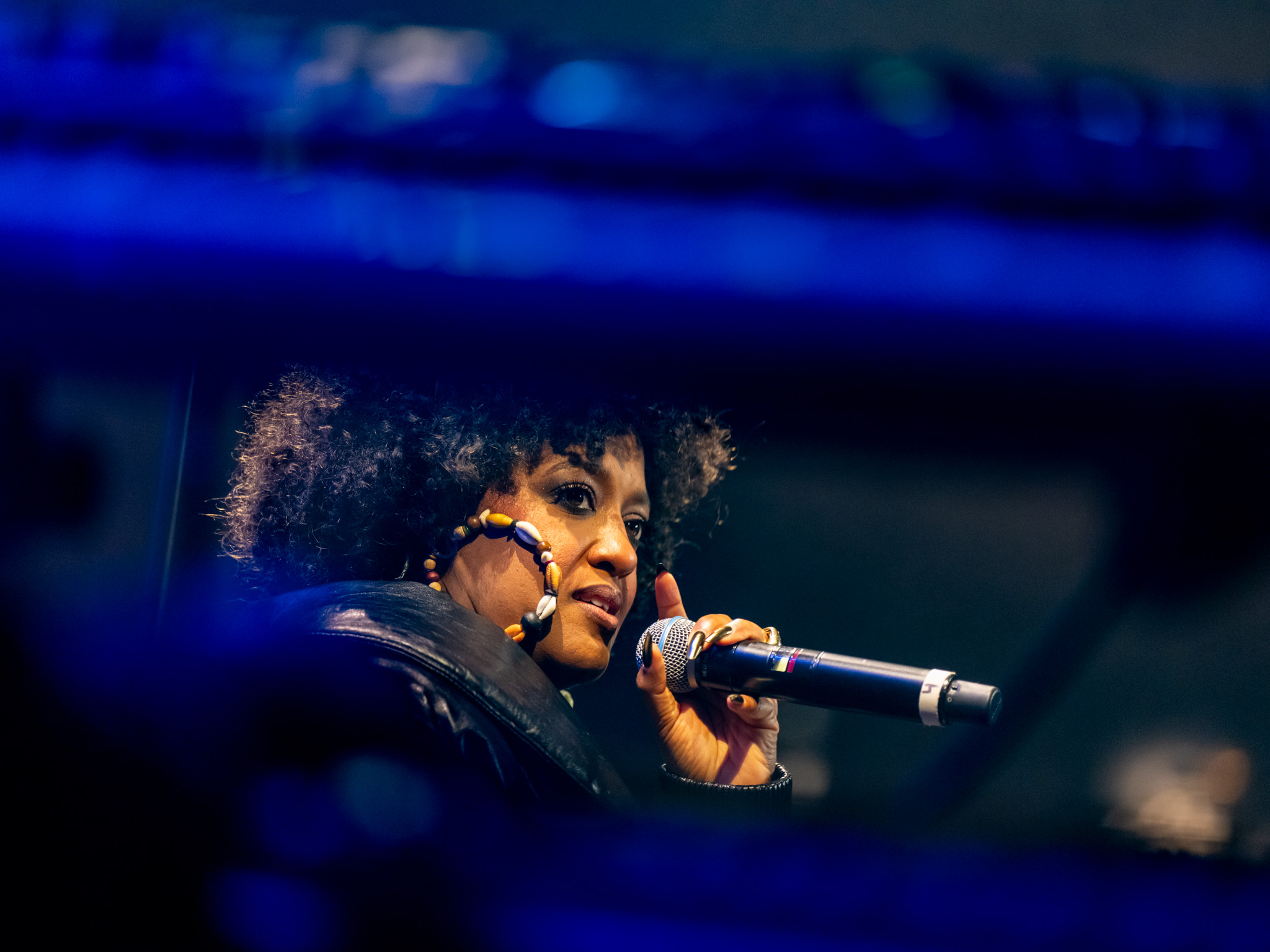
Performing with a live band introduces another level of complexity. A prerecorded track is fixed, while a band is dynamic, responding to changes in tempo, intensity, and the spontaneous interaction between musicians. An MC must possess the musical instincts and rhythmic authority necessary to remain compelling within that environment. Rapsody demonstrated both, cutting through the band’s energy without losing the intimacy or clarity of her lyrical delivery.
Perhaps the most impressive evidence of her showmanship was the audience’s response. The Blue Note is fundamentally a jazz venue, and its seating arrangements naturally encourage patrons to remain seated while enjoying the performance. Nevertheless, Rapsody managed to transform that environment, encouraging people to stand, dance, and participate in the experience. Credit also belongs to the Blue Note for cultivating an atmosphere that allows audiences to respond organically to the artists onstage. The combination of an intimate room, exceptional musicians, and a commanding MC made this one of the most enjoyable hip-hop performances I’ve attended in quite some time.
The Artistry We Claim to Want
If you have an opportunity to experience Rapsody in an intimate venue like the Blue Note, I strongly encourage you to spend the money. Take a date, bring friends, or enjoy the evening by yourself. Her performances offer the kind of musical experience that reminds audiences why live entertainment remains irreplaceable. I would extend that encouragement to her recorded work as well. Purchase God Gotta Afro & Gold Hoops, explore her catalog, and support an artist who continues to demonstrate an uncommon commitment to her craft.
Ultimately, what makes Rapsody so compelling is that she embodies nearly everything audiences claim is missing from contemporary hip-hop. She’s thoughtful without being pretentious, positive without being preachy, lyrically sophisticated without sacrificing rhythm, and proudly feminine without alienating men. Her music reflects an understanding that artistic excellence and cultural responsibility need not exist in opposition to entertainment.
We spend an extraordinary amount of time discussing what’s wrong with hip-hop while frequently overlooking the artists who are getting it right. Rapsody deserves more than our admiration in passing; she deserves the kind of sustained cultural and financial support that allows exceptional artists to continue producing exceptional work.
Perhaps the problem isn’t that hip-hop no longer produces the kind of artists we claim to want. Perhaps the problem is that we’ve become so accustomed to celebrating popularity that we’ve forgotten how to recognize excellence when it’s standing directly in front of us.