
Introduction
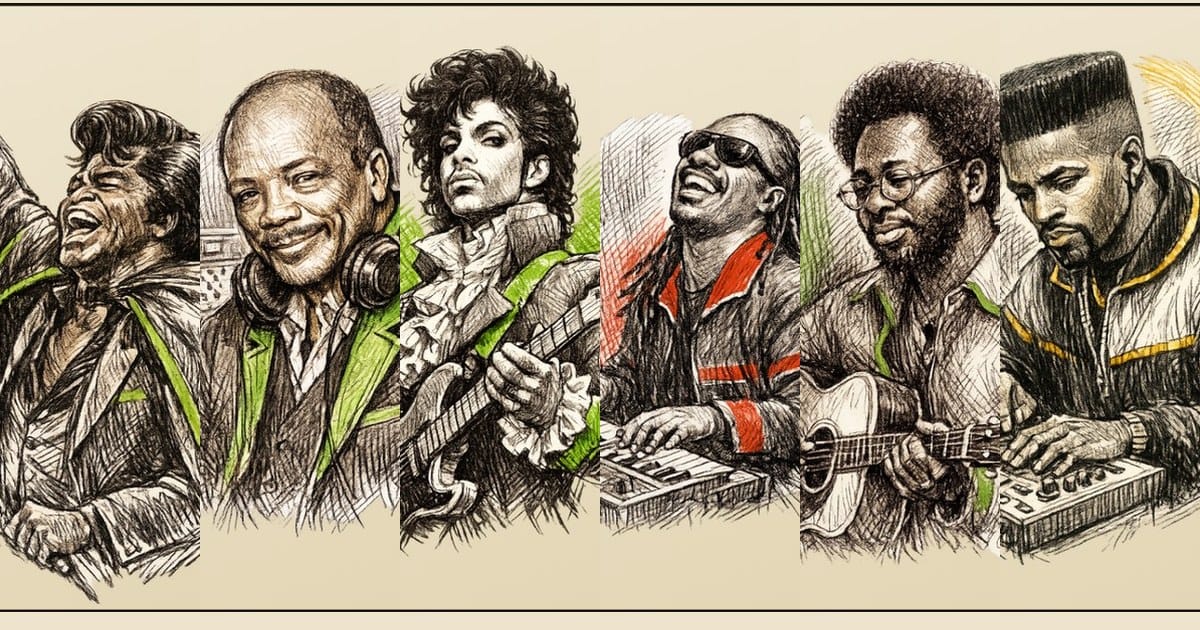
This is my list of the 20 R&B producers who most shaped the music from its beginnings through its zenith. It is not in order. Every person on this list made a lasting contribution, whether they built the early templates, expanded the music into orchestral soul and funk, or created the modern production language that came after.
I give heavy attention to producers who made music before 1979 because that was a different musical world. R&B was still built around full live bands, strings, horns, background singers, rhythm sections, arrangers, and musicians playing together in the room. The producer had to understand how to shape all of that into one record. By the 1980s, R&B increasingly moved toward a more electronic, stripped-down sound. By the 1990s, much of the music had become a shell of its earlier musical complexity—not because later producers lacked talent, but because they were working with a different set of ingredients, tighter label budgets, fewer live musicians, and a version of the sound that had already lost many of its key elements.
That earlier era produced some Mozart-level musical minds. Isaac Hayes and David Porter, Gamble and Huff, Barry White, and James Anthony Carmichael were masters of orchestral arrangement. James Brown, Louis Jordan, and Ray Charles created production molds that still have not been broken. Quincy Jones brought the scale, discipline, and big-band philosophy of Count Basie into R&B. Their records were not only hits. They were fully constructed musical worlds.
Louis Jordan
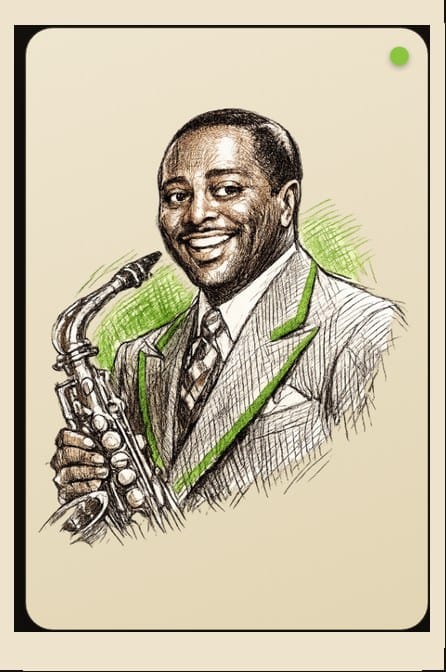
Louis Jordan was laying down the foundation before the term R&B was even fully established. With the Tympany Five, he made jump blues tight, funny, rhythm-heavy, danceable, and commercially powerful.
His records had sharp horn riffs, memorable stories, blues feeling, and a vocal style that could sing, talk, joke, and command a room. Jordan was already doing producer work before the industry regularly called it that: directing the band sound, shaping arrangements, choosing material, and knowing what would connect.
He is one of the clearest bridges from blues into rhythm and blues, rock ’n’ roll, soul, and funk.
Ray Charles
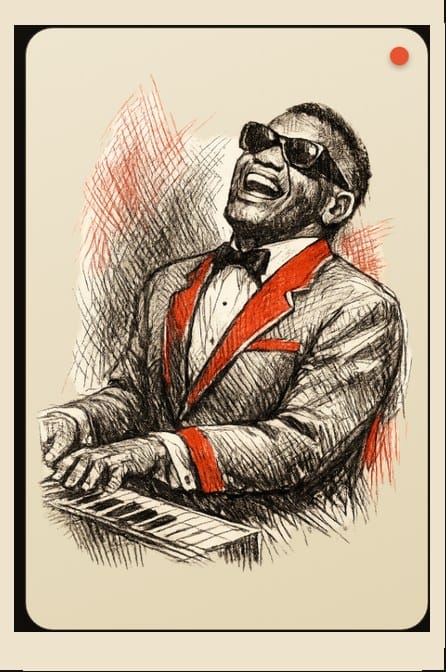
Ray Charles modernized the bandstand. He helped bring R&B into a more contemporary format built around electric bass, keys, guitar, and drums, while bringing the intensity of gospel directly into secular music.
His innovation was not simply putting church vocals on R&B records. He brought gospel’s entire emotional language into the music: call-and-response, testimony, tension, release, phrasing, and urgency.
The piano, horns, rhythm section, background singers, and Ray’s voice all worked as one conversation. His records showed that R&B could be musically modern, emotionally raw, and spiritually charged at the same time.
James Brown
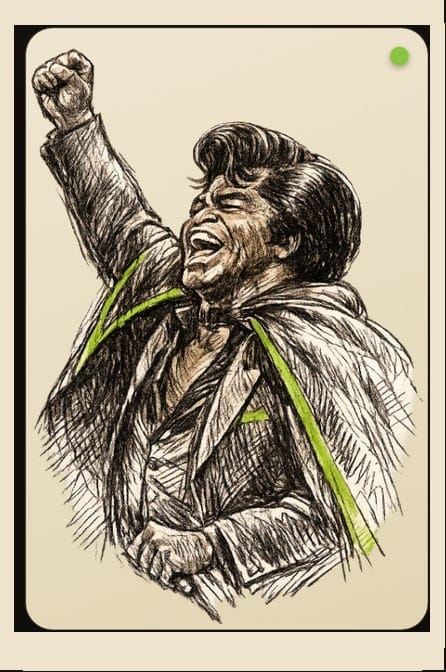
James Brown changed the way rhythm was organized.
He made “the one” the center of the music. The bass, guitar, horns, drums, and vocals all became parts of one percussive machine. He did not want musicians decorating the groove. He wanted them locking into it.
Brown’s work as a bandleader was a major part of his production genius. He knew what every musician was supposed to do, where the accents belonged, when the band should pull back, and when the record needed to explode. His records became a foundation for funk, disco, hip-hop, and modern R&B, and almost every list of great R&B producers since has had to reckon with him.
Maurice White
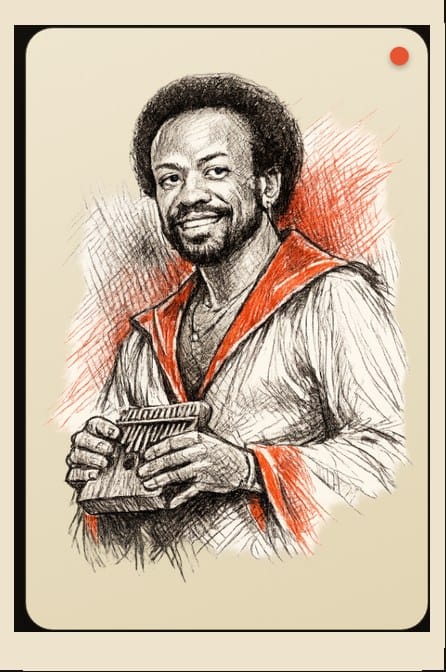
Maurice White was one of the great world-builders in R&B history.
With Earth, Wind & Fire, he created a sound that was spiritual, funky, orchestral, jazzy, futuristic, and completely accessible. He understood studio sound and live performance at a very high level. The records were layered with kalimba, horns, strings, synthesizers, stacked vocals, jazz harmony, and deep rhythm sections. Then the live show made that sound feel even bigger.
Maurice White showed that Black American music could be musically advanced, visually grand, and still be made for the people.
Isaac Hayes & David Porter
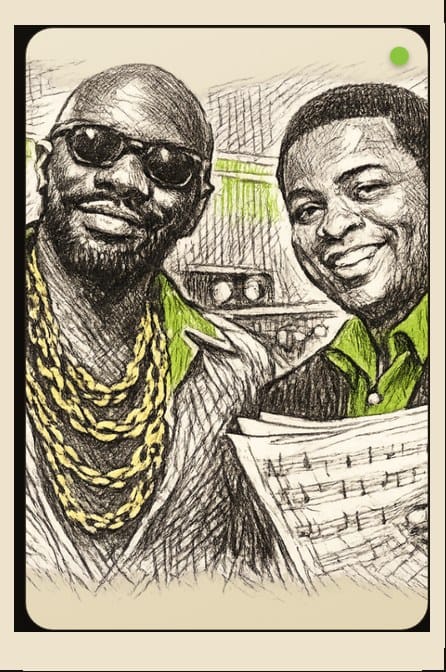
Isaac Hayes and David Porter were the engine behind some of Stax’s greatest records. Their work with Sam & Dave—“Soul Man,” “I Thank You,” “When Something Is Wrong with My Baby”—was music rooted in Southern Black American church feeling, grit, humor, romance, and call-and-response.
Then Stax nearly collapsed. Otis Redding and members of the Bar-Kays died in a plane crash in December 1967. Five months later, the label lost its entire back catalog to Atlantic Records, and lost Sam & Dave with it, because the duo had been signed to Atlantic all along. Stax had to rebuild its identity from nothing.
Hayes was central to that rebuild, and he did it by sending soul music into the future instead of backward. Long songs, extended spoken introductions, deep bass, orchestral arrangements, and cinematic production made soul albums feel bigger than the standard radio format. That work gave Stax a second life and gave R&B a new sense of scale.
Gamble & Huff
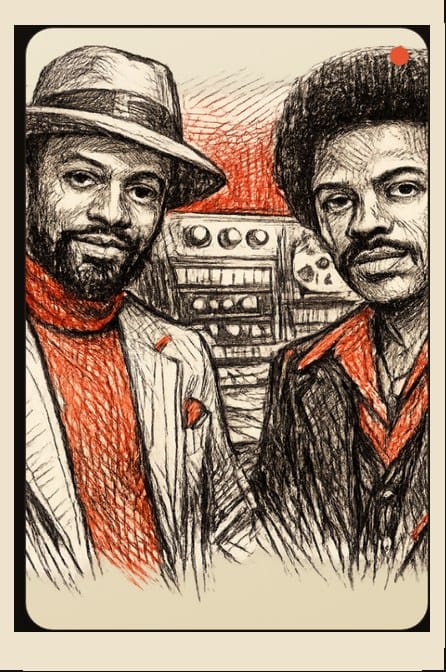
Kenneth Gamble and Leon Huff built Philadelphia soul into one of the most important production movements in R&B history.
Their sound was elegant, grown, socially conscious, and deeply rooted in Black American music. They combined gospel-informed vocals, crisp rhythm sections, strings, horns, adult lyrics, and songwriting built to last.
Philadelphia International was not just a label. It was a full production system with writers, arrangers, musicians, and artists all creating a recognizable sound. The O’Jays, Teddy Pendergrass, Harold Melvin & the Blue Notes, Billy Paul, Lou Rawls, and MFSB all benefited from that machine.
Their influence runs straight through disco, quiet storm, and contemporary adult R&B, and few R&B producers have ever built a system that complete.
Quincy Jones
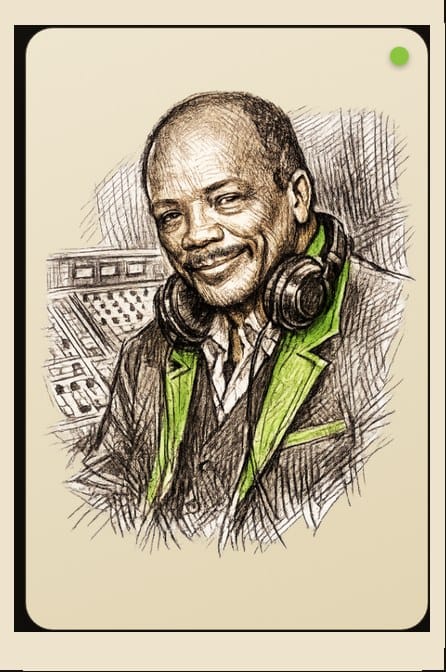
Quincy Jones could work in jazz, R&B, pop, film, and orchestral music without ever sounding out of place.
His greatness as a producer was his command of scale. He knew how to bring the right songs, musicians, arrangements, vocal performances, and studio choices together around an artist. Nothing felt random. Every detail served the record.
He learned that in a big band. By the early 1950s Jones was writing arrangements for the Count Basie Orchestra, and he kept coming back to that band for the next fifteen years — including the two Sinatra records cut with Basie, It Might as Well Be Swing in 1964 and Sinatra at the Sands in 1966. His chart for “Fly Me to the Moon” on that first one is still the version everybody knows.
What Basie’s band taught him was space. That orchestra could play quieter than anyone in the country and still swing, because Basie left the holes on purpose — his own piano was two or three notes and a lot of air. Jones brought that thinking straight into R&B. His records are layered, but the layers take turns. Horns answer a vocal instead of covering it. A string line arrives, makes its point, and gets out of the way. The bass and drums are given room to breathe instead of being buried under everything stacked on top of them.
That is big-band discipline applied to a pop record, and it is a large part of why those productions still sound uncluttered decades later. Most records from that era sound like their decade. His sound like arrangements.
His work with Michael Jackson remains one of the highest examples of R&B crossover production. Off the Wall, Thriller, and Bad were not just albums full of hits. They were masterclasses in arrangement, groove, vocal production, sequencing, and sound.
Norman Whitfield
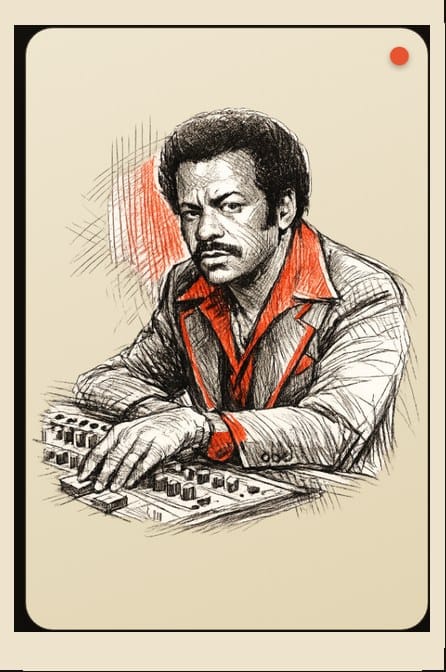
Norman Whitfield was Motown’s psychedelic soul radical.
He pushed the label beyond compact pop-soul into something heavier, darker, more political, and more experimental. His work with the Temptations, Edwin Starr, and Undisputed Truth brought fuzz guitar, long instrumental passages, thick bass, strings, effects, and social commentary into the Motown world.
“Cloud Nine,” “Ball of Confusion,” “Papa Was a Rollin’ Stone,” and “War” showed that R&B could be musically adventurous while still hitting hard enough for radio and the dance floor.
That run is what pushed Motown into the 1970s. The label had built its name on tight, polished pop-soul, and Whitfield dragged it somewhere heavier, darker, and stranger without ever losing the radio.
Then he left. Whitfield walked away from Motown in 1975, started his own label, Whitfield Records, and built it around Rose Royce. When director Michael Schultz hired him to score Car Wash, Whitfield wrote and produced the entire soundtrack. The title track went to number one on both the pop and R&B charts, sold two million copies, and won him a Grammy. He kept going with “I Wanna Get Next to You,” “I’m Going Down,” “Wishing on a Star,” and “Love Don’t Live Here Anymore.”
That is where the cinematic side of his production is clearest. Whitfield built records like scenes. Long instrumental introductions that establish a mood before anyone sings. Sound effects and atmosphere treated as part of the arrangement instead of decoration. Tension that builds across five or six minutes rather than resolving in three. A Whitfield record tells you where you are before it tells you what it is about.
Which is why scoring a film was never a departure for him. He had been making songs feel like movies for years before anyone handed him one — which is why so many R&B producers still study those records.
James Anthony Carmichael
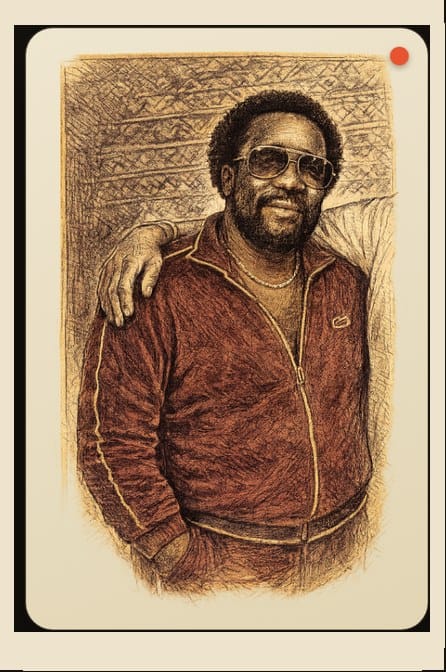
James Anthony Carmichael helped create the mold for taking a funk-band lead singer and turning him into a crossover sensation.
His work with the Commodores helped make room for Lionel Richie to expand past the group’s funk identity. Carmichael helped create crossover hits for Lionel that could move through R&B, pop, country, calypso, and adult contemporary music without losing the musical strength of the foundation.
That is a rare skill. He did not erase the funk. He built outward from it.
His production style started on paper. Carmichael hand-wrote most of his own arrangements — the string lines, the horn charts, the countermelodies — instead of handing that work off to someone else. That is why his records sound composed rather than assembled. Listen to the strings and horns on “Zoom.” They are not decoration laid over a finished rhythm track. They are written parts with their own logic, moving against the vocal instead of trailing behind it.
He also understood space. Carmichael gave every instrument and every section room to shine without stepping on anything else. The horns enter where the vocal leaves an opening. The strings lift a line instead of burying it. The rhythm section holds its ground and does not crowd the top end. Nothing is fighting for the same frequency or the same bar, which is why records that are full of parts still sound open.
Carmichael’s work with the Commodores, Lionel Richie, the Jackson 5, and Atlantic Starr helped define the polished, melodic sound of late-1970s and 1980s R&B.
Stevie Wonder
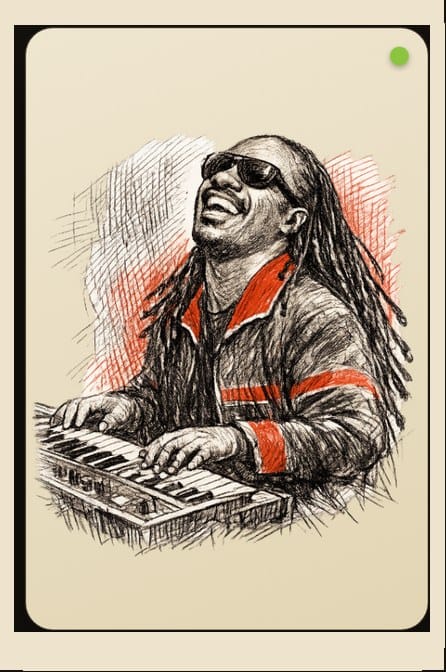
Stevie Wonder is one of the greatest examples of a complete artist-producer.
He wrote, arranged, produced, played, and sang at a level that made him his own musical institution. His 1970s run showed that an artist could make deeply personal music, socially conscious music, funky music, romantic music, and experimental music without separating any of those things.
Stevie used the studio as an instrument. The keyboards, synthesizers, drums, bass, harmonies, and vocal layers on his records were never there just to show off. They were there to make the listener feel something.
Prince
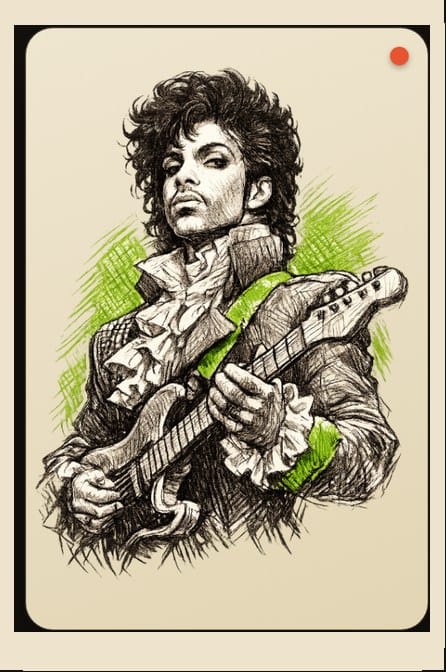
Prince made minimal tools sound enormous.
A drum machine, a dry guitar part, a bass line, layered vocals, a synth hook, and a guitar solo could become a complete universe in his hands. He understood space. He knew what to leave out as much as what to add.
Prince expanded R&B through rock, new wave, funk, gospel, psychedelia, and pop. His work with the Time, Sheila E., Vanity 6, and his own catalog showed the power of one artist with a complete vision of writing, production, arrangement, and performance.
George Clinton
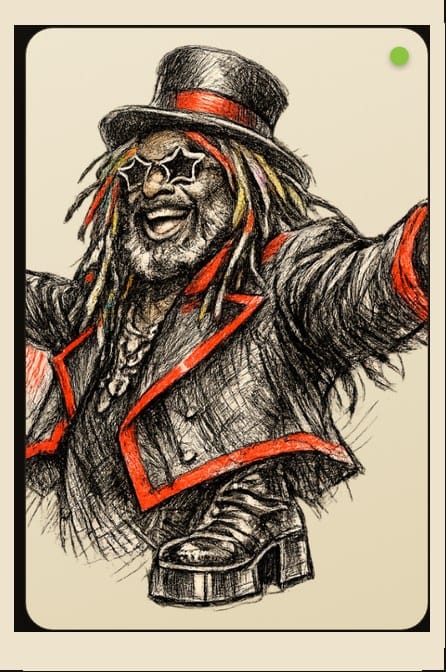
George Clinton’s production story starts before Parliament-Funkadelic.
The Parliaments began as a doo-wop group and scored a hit with “(I Wanna) Testify.” That matters because Clinton had already learned how to work with vocal groups, harmony, arrangement, and record-making before he built the P-Funk universe.
Then he helped create three major lanes of music.
Funkadelic was at the forefront of metal-style, guitar-driven rock: distorted, psychedelic, loud, and still deeply connected to Black American funk and soul.
Parliament was at the forefront of funk: theatrical, bass-heavy, cosmic, funny, and built around huge grooves.
Together, Parliament-Funkadelic became one of hip-hop’s most important foundations. The music, samples, bass lines, attitude, and mythology all became part of rap culture.
Curtis Mayfield
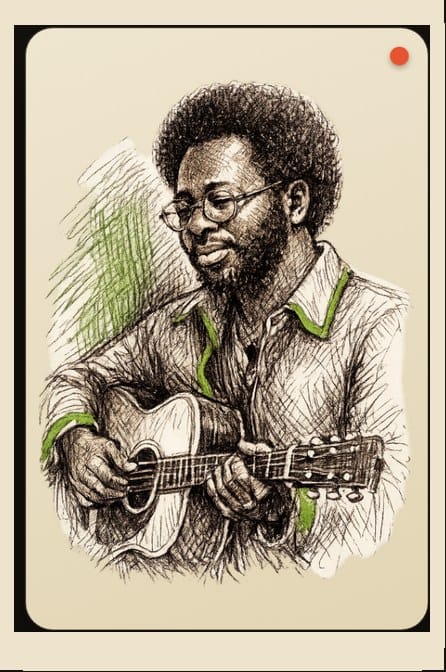
Curtis Mayfield made graceful records with serious weight behind them.
His guitar voicings were delicate, his falsetto was unmistakable, and his productions could feel light while dealing with heavy realities. With the Impressions, he helped define message-driven soul. Through Curtom Records and Super Fly, he showed what Black independent production could accomplish when the artist controlled the sound and message.
Mayfield’s music never needed to shout to make its point.
Barry White
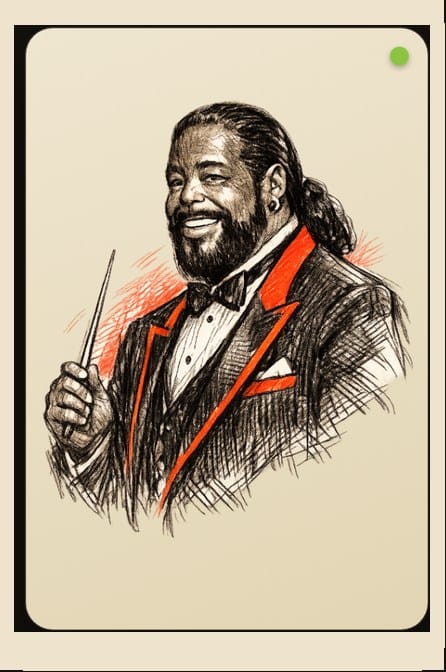
Barry White helped create the melodic, orchestral side of disco. His work with Love Unlimited and the Love Unlimited Orchestra, especially the landmark “Love’s Theme,” showed how strings, bass, rhythm guitar, and groove could make dance music feel luxurious and deeply soulful.
The Love Unlimited Orchestra was the key. White did not just add strings to a record — he built and led a full forty-piece orchestra and wrote for it himself, which almost no one in R&B was doing at that scale. That is where the lush production came from: layered strings, sweeping horn and woodwind lines, wah-wah guitar, and a bass and drum foundation deep enough to hold all of it together. The arrangements were dense, but never cluttered. Every part had a job.
“Love’s Theme” is where that approach reached the widest audience. Released with the Love Unlimited Orchestra in late 1973, it became the first record built on the disco sound to reach number one on the Billboard Hot 100, topping the chart in February 1974 — and it did it as an instrumental, which almost never happens. It gave disco its orchestral blueprint a full year before the genre broke wide open.
His records were romantic, but they were also carefully arranged. Barry White understood how to make a melody carry sensuality and how to make disco sound like R&B.
Jimmy Jam & Terry Lewis
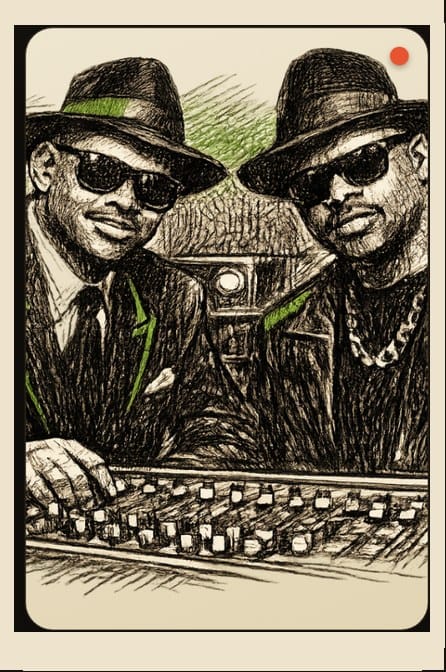
Jimmy Jam and Terry Lewis helped define the modern sound of 1980s R&B.
They took the discipline of Minneapolis funk into the digital era. Their productions used drum machines, keyboards, synthesizers, vocal stacks, and sharp song structures, but the records still had soul, swing, and emotional depth.
Their work with Janet Jackson—especially Control, Rhythm Nation 1814, and janet.—showed that contemporary R&B could be personal, political, conceptual, danceable, and massive all at once.
Jam and Lewis belong on this list because they helped establish how the post-live-band era would sound. They made the new tools feel musical, and the R&B producers who came after them inherited that standard.
Holland–Dozier–Holland
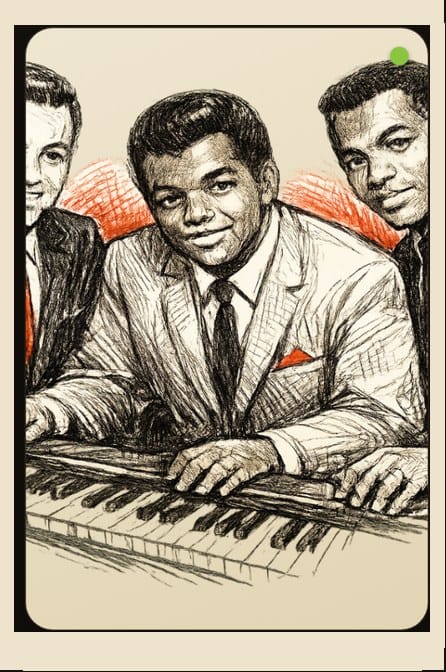
Brian Holland, Lamont Dozier, and Eddie Holland were a major part of Motown’s hit-making engine.
They mastered the concise R&B-pop record: strong hooks, rhythmic lift, emotional tension, memorable choruses, and songs that got to the point. Their work with the Supremes, Four Tops, and Martha and the Vandellas helped define Motown’s golden era.
Their records were precise, but they never felt mechanical. The music had gospel, blues, rhythm, harmony, and Black American vocal expression running through it.
Leon Sylvers III
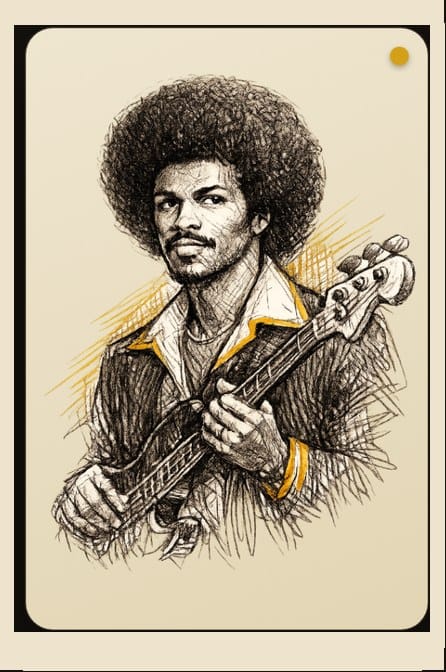
Leon Sylvers III helped shape the sleek groove of the SOLAR Records era.
His work with the Whispers, Shalamar, Lakeside, Dynasty, and others helped carry R&B from the late-1970s live-band tradition into the tighter, more dance-floor-driven sound of the 1980s.
The drums snapped. The bass moved. The keyboards were bright. The group vocals were layered. The records were polished, but never stiff. Sylvers understood how to modernize the sound while keeping the groove alive.
Nile Rodgers
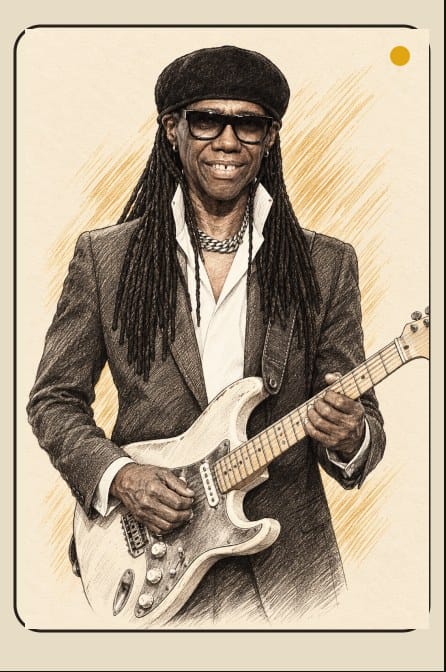
Nile Rodgers helped make rhythm guitar a lead instrument in disco, R&B, and pop. With Chic, he created a guitar style that was clean, sharp, percussive, and impossible to separate from the groove. His playing was not background texture—it was part of the drum pattern, part of the bass line, and part of the record’s identity.
As a producer, Rodgers knew how to make sophisticated music feel effortless. His work with Chic, Sister Sledge, Diana Ross, David Bowie, Madonna, and others proved that a Black American disco and R&B foundation could travel across genres without losing its musical depth. The arrangements were sleek, but the groove always came first.
Nile Rodgers belongs in this conversation because he helped define how dance music could be stylish, rhythmically precise, melodic, and built to last.
That style never went out of circulation. When Daft Punk built Random Access Memories around live playing instead of samples, they did not sample Chic — they brought Rodgers in to play it himself. His guitar is the engine of “Get Lucky” and “Lose Yourself to Dance,” both cut with Pharrell Williams on vocals. “Get Lucky” took Record of the Year and the album took Album of the Year in 2014. The part that carried the biggest pop record of that year was a Chic rhythm figure, played by the man who built the style nearly forty years earlier.
Pharrell’s own production runs on the same principle. The groove is assembled from parts that lock into each other rather than layers stacked on top of each other, and the space between those parts does as much work as the notes. That is Rodgers’ lesson, and you can trace it from Chic through N.E.R.D. and “Happy” into most of what pop radio now calls funk.
Babyface & L.A. Reid
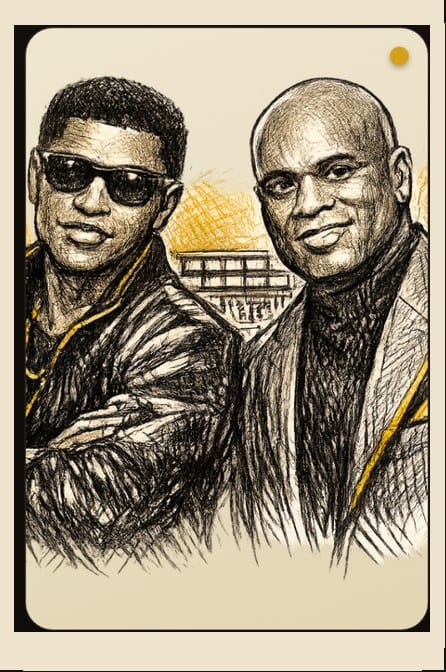
Babyface and L.A. Reid were essential in the move from New Jack Swing into 1990s R&B.
Babyface brought melody, songwriting discipline, emotional detail, and vocal production. L.A. Reid brought rhythmic instinct, edge, energy, and a clear understanding of how to make a record connect.
Together, they made R&B that was sensitive without being soft and modern without being empty. Their work with Toni Braxton, TLC, Bobby Brown, After 7, and the LaFace Records movement helped establish a major blueprint for 1990s R&B.
Teddy Riley
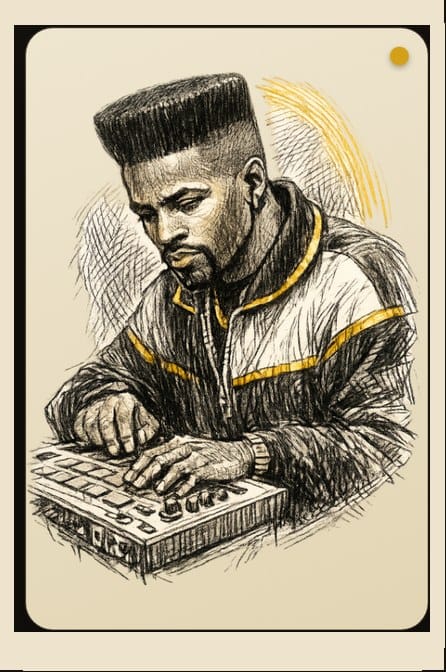
Teddy Riley changed the relationship between R&B and hip-hop.
He fused hip-hop drum programming with R&B melody, gospel-trained vocals, and funk. That fusion became New Jack Swing. The drums hit differently, the rhythm swung differently, and contemporary R&B suddenly felt more connected to hip-hop culture.
Through Guy, Keith Sweat, Bobby Brown, Michael Jackson, Wreckx-N-Effect, and Blackstreet, Riley established a new recording language. Like Jam and Lewis and Babyface and L.A. Reid, he helped build the foundation for the post-live-band production era.
Honorable Mentions: More R&B Producers Who Shaped the Sound
The Mizell Brothers
Larry and Fonce Mizell deserve a place in this conversation for their work at the intersection of jazz, funk, soul, and R&B.
Their productions for Donald Byrd, Bobbi Humphrey, Johnny Hammond, and others were smooth, melodic, spiritual, and deeply rhythmic. They knew how to make jazz musicians sound accessible without stripping the music of its intelligence.
The Mizell Brothers helped create a bridge between jazz-funk and R&B that would become essential to later soul, hip-hop sampling, neo-soul, and modern producer culture.
Charles Stepney
Charles Stepney was one of the great arrangers and sonic thinkers in Black American music. His work with Rotary Connection, Earth, Wind & Fire, the Dells, Minnie Riperton, and others brought classical ideas, psychedelic color, jazz harmony, and soul together in a way few producers could match.
He made music feel expansive without losing its feeling.
Leon Ware
Leon Ware was a master of sensual, grown, emotionally layered R&B. His writing and production work with Marvin Gaye, Minnie Riperton, Maxwell, and others helped define a softer, more intimate strain of soul music.
His work carried romance, vulnerability, and musical sophistication without overproducing the emotion.
Thom Bell
Thom Bell was one of the central architects of Philadelphia soul. His work with the Delfonics, Stylistics, Spinners, and others helped define the lush, elegant sound of the era.
Bell understood strings, vocal groups, melody, and emotional pacing at the highest level. His productions were beautiful, but they still had rhythm and soul underneath the orchestration.
Dexter Wansel
Dexter Wansel brought futurism, jazz, funk, synthesizers, and spirituality into Philadelphia International’s world. His productions for himself, Jean Carn, the Jones Girls, Patti LaBelle, and others helped make late-1970s and early-1980s R&B sound futuristic without losing its human feeling.
His work remains a major source for hip-hop producers because the chords, grooves, bass lines, and textures were that rich.
Hal Davis
Hal Davis deserves more recognition for the role he played in expanding the Motown sound. He brought refined orchestration and arrangement ideas into R&B without taking the rhythm out of the music. His work with the Jackson 5, Diana Ross, and other Motown artists helped carry the label into the early 1970s, when its musical identity was moving beyond its original Detroit formula.
Davis understood that arrangement is production. The placement of strings, horns, rhythm, and background vocals can be the difference between a good song and a record people never forget.
Michael Henderson
Michael Henderson is the one name here most people file under bass player rather than producer. He came up doing Detroit sessions behind Stevie Wonder, Aretha Franklin, and Marvin Gaye, and he was still a teenager when Miles Davis took him out of Stevie’s band in 1970. What he carried into that band was R&B — a deep, melodic, repeating electric bass that held its ground while everything above it moved, and that anchor is what kept Miles’ electric period physical instead of abstract.
He took the same discipline into his own catalog. As a writer, singer, and producer he made soul records where the bass line carries melody and story rather than just time, and his lead vocals on Norman Connors’ “You Are My Starship” and “Valentine Love” proved he could run a record from the front of it too. Henderson was making arrangement decisions with his hands.
Rick James
Rick James called it punk-funk, and the name stuck because nothing else described it. He built records around a hard, elastic bass, synthesizers used for grit rather than gloss, rock guitar, and a vocal that could shout, croon, and sneer inside the same eight bars. Street Songs is the case in point — a record that sounds loose and sounds meticulously arranged at the same time.
He also produced for other people, which is what earns him a place in this conversation. He wrote and produced for Teena Marie and the Mary Jane Girls, cut “Standing on the Top” with the Temptations, and gave Eddie Murphy a number two pop hit with “Party All the Time.” He knew how to build a track around somebody else’s voice, which is a different skill from building one around your own.
Conclusion
The producers on this list did more than make songs. They created the musical vocabulary that later artists and producers still use. Louis Jordan, Ray Charles, and James Brown established molds that remain impossible to duplicate. Maurice White, Hayes and Porter, Gamble and Huff, Barry White, James Anthony Carmichael, and Quincy Jones showed what R&B could become when arrangements, musicianship, and vision were given full room to breathe.
The later producers belong here because they did something equally important in a changing industry. Jimmy Jam and Terry Lewis and Teddy Riley created the mold for the modern R&B sound. L.A. Reid and Babyface owned a generation, proving that stripped-down production could still carry strong melodies, emotion, rhythm, and crossover power.
This list is not an argument that one era had no value and another had all the value. It is a reminder that every producer here left a permanent mark on the parent genre. Their ideas still live in the samples, chord progressions, grooves, vocal approaches, arrangements, and recording techniques being used today.
Support more music-history work at incensenashtrays.com and bamfamilytree.org.