
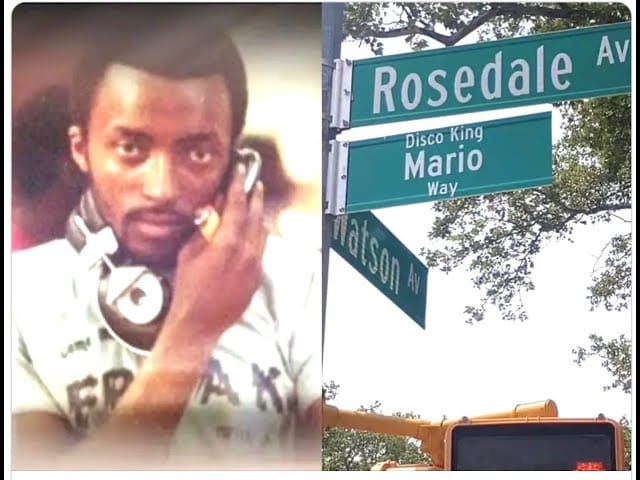
At DJ Phase’s annual celebration in the Bronxdale Houses, and again the next day at Old Timers Day in Crotona Park, I spent a full weekend inside hip hop history—not the neat, simplified version repeated by mainstream media, but the history still carried by the people, places, families, and pioneers who were there before the famous origin story.
Saturday’s event in the Bronxdale Houses honored Disco King Mario, DJ John Brown, DJ Hollywood, Grand Wizard Theordore, and the wider generation of DJs, emcees, dancers, and graffiti artists who helped create the conditions for hip hop before Kool Herc’s 1973 party became the date most people treat as the beginning of everything.
But the point of this weekend was not to pretend Kool Herc did not matter. His name was mentioned. His contribution was respected. What I did not hear was the old story that hip hop began with one man, one building, and one night.
That distinction matters.
The history of hip hop has been narrowed for public consumption. A culture built through a community of Black American young people—through parties, sound systems, breakbeats, crews, dance, style, neighborhood protection, and competition—has too often been repackaged as a single-person invention. The people at Bronxdale were not asking for anyone else to be erased. They were asking that the people who came before, stood beside, and influenced the better-known names finally be restored to the record.
The Story Before the Famous Beginning
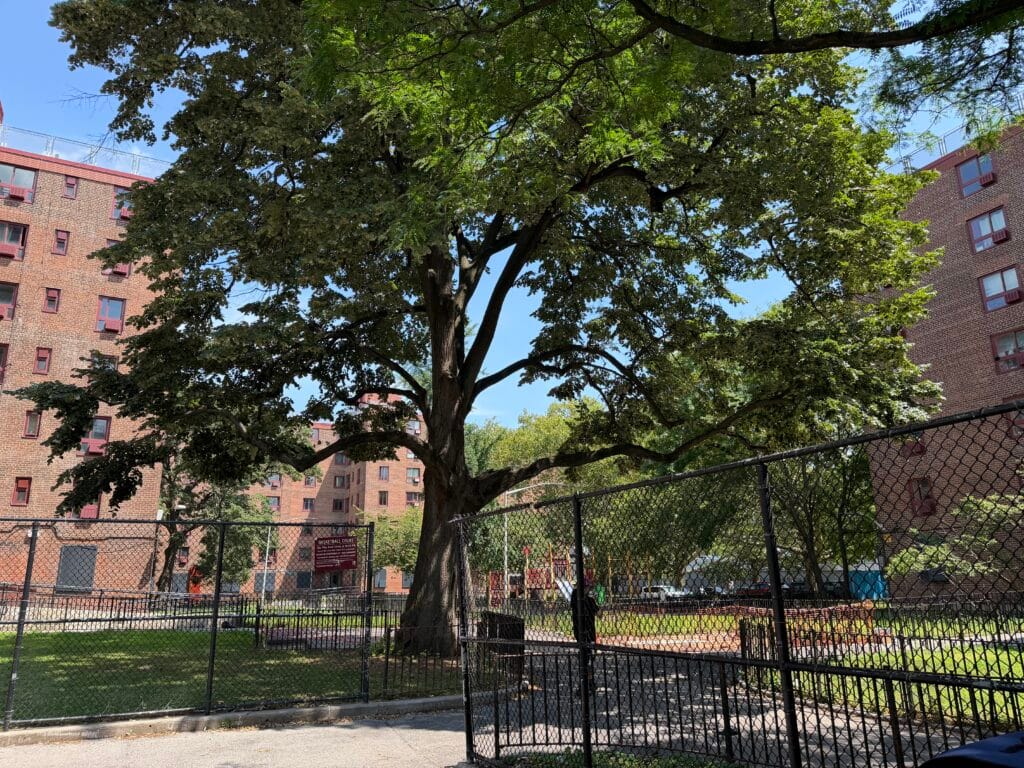
DJ Phase brought me to the first section of the Bronxdale Houses, directly in front of Disco King Mario’s building.
“We are right in front of Disco King Mario’s building,” he told me. “And this is where it all started.”
According to Phase, the early activity was happening in the Carriage Room, around the buildings, and in a local space known as the Lollipop before the music moved into the park. He dates that activity to the early 1970s.
“Hip hop actually was created in 1970,” Phase said. “But then in 1971 we took it to the first park.”
People will debate dates and definitions. That is normal. But there is no debate that the Bronx had multiple scenes developing at once. There were different DJs, different crews, different projects, and different party spaces. There were people learning from one another, borrowing equipment, competing, building their own followings, and creating a new way to organize Black American music for a new generation.
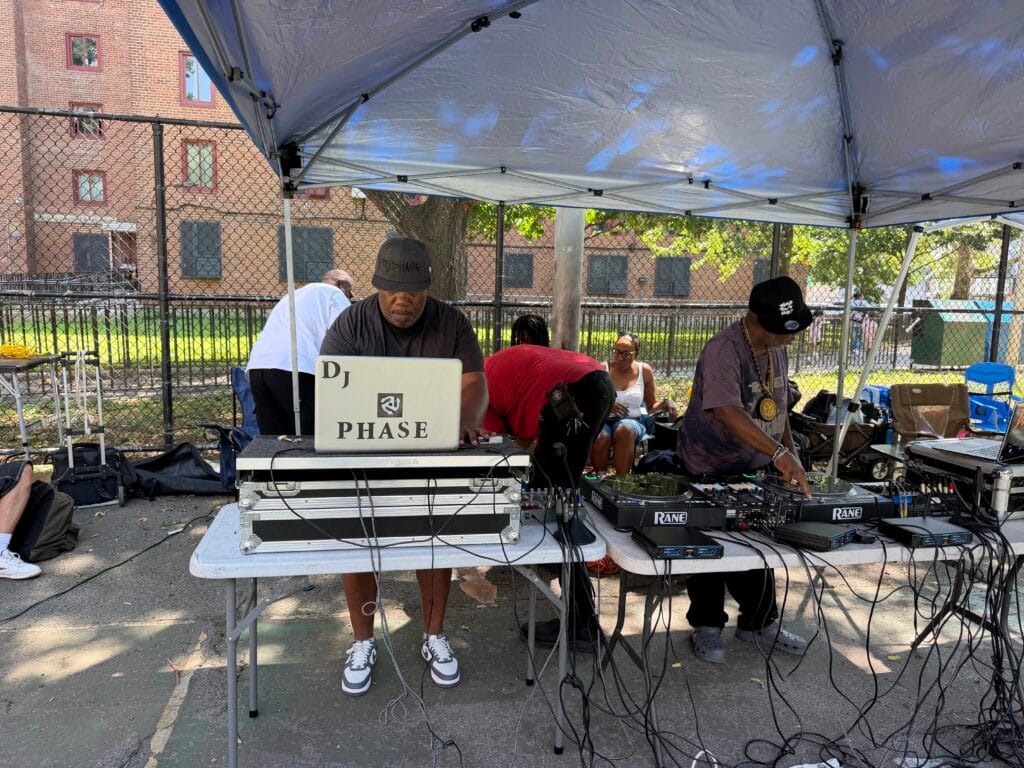
Phase described the early music as break-driven: James Brown, Joe Tex, Rufus Thomas, and other records grounded in rhythm and blues and funk. He also pointed to Pigmeat Markham’s “Here Come the Judge” as a major influence on the urge to rap over rhythm.
“Once we heard him do that and rapping on that, that’s when we decided that this is what we wanted to do,” Phase told me. “Instead of playing the instruments that he was playing, we wanted just the drums.”
That is a crucial point. Hip hop did not arrive out of nowhere. It drew from a Black American musical language already generations deep: the drum break, call-and-response, funk, blues, comedy records, the party, and the dance floor. The Bronx innovators transformed those elements into something that the world had never heard before.
Phase’s own story about Disco King Mario makes that process real. As a young drummer, he had been sent to the Carriage Room because he was making too much noise at home. He would put a record on, rush back to the drums to play along, and then run back to restart the record.
Mario saw him.
“He said, ‘Booby, what you doing?’” Phase recalled, using the name he went by at the time. “He said, ‘Sit down, play the drums.’ And then he took the record and he put it on. And that was it.”
That moment says a great deal about Mario’s role. He was not simply a DJ whose name should be added to a list. He was a facilitator and organizer—a person who saw talent, brought people into the fold, and created the conditions for innovation to happen.
Phase also told me that Grand Wizard Theodore played with Mario and the crew while Theodore was young. He described Mario as an important figure in helping make Junior High School 123 a place where aspiring artists gathered.
“Mario is the one that got that,” Phase said. “The Cold Crush, Grandmaster Flash, Bambaataa, Herc—anybody that came to 123 have to thank Mario.”
Disco King Mario’s Bronx Legacy
Disco King Mario’s daughter, Mina, gave the story a deeper family context. She explained that her father came to New York from a Southern musical lineage. Her grandfather was a drummer who owned a juke joint, and Mario’s older brother also DJed.
“DJing is something that he learned basically through family,” Mina said. “It’s a cultural thing that he brought up here from the South.”
That is why the full story of hip hop has to go beyond a single party. The culture came out of the Bronx, but it also came out of Black American migration, Southern juke-joint culture, family traditions, rhythm and blues, funk, neighborhood survival, and generations of Black creativity. The Bronx gave those traditions a new shape and a new name.
Mina also clarified the meaning behind her father’s “Disco King” title. It was not simply a reference to what later became known as disco music. Mario’s goal was to bring a full discotheque experience to the park—lights, sound, dancing, records, and the feeling of a real event.
“His name really meant to bring the discotheque feeling to the park,” Mina said. “It was not about the music. It was about the feeling. The party.”
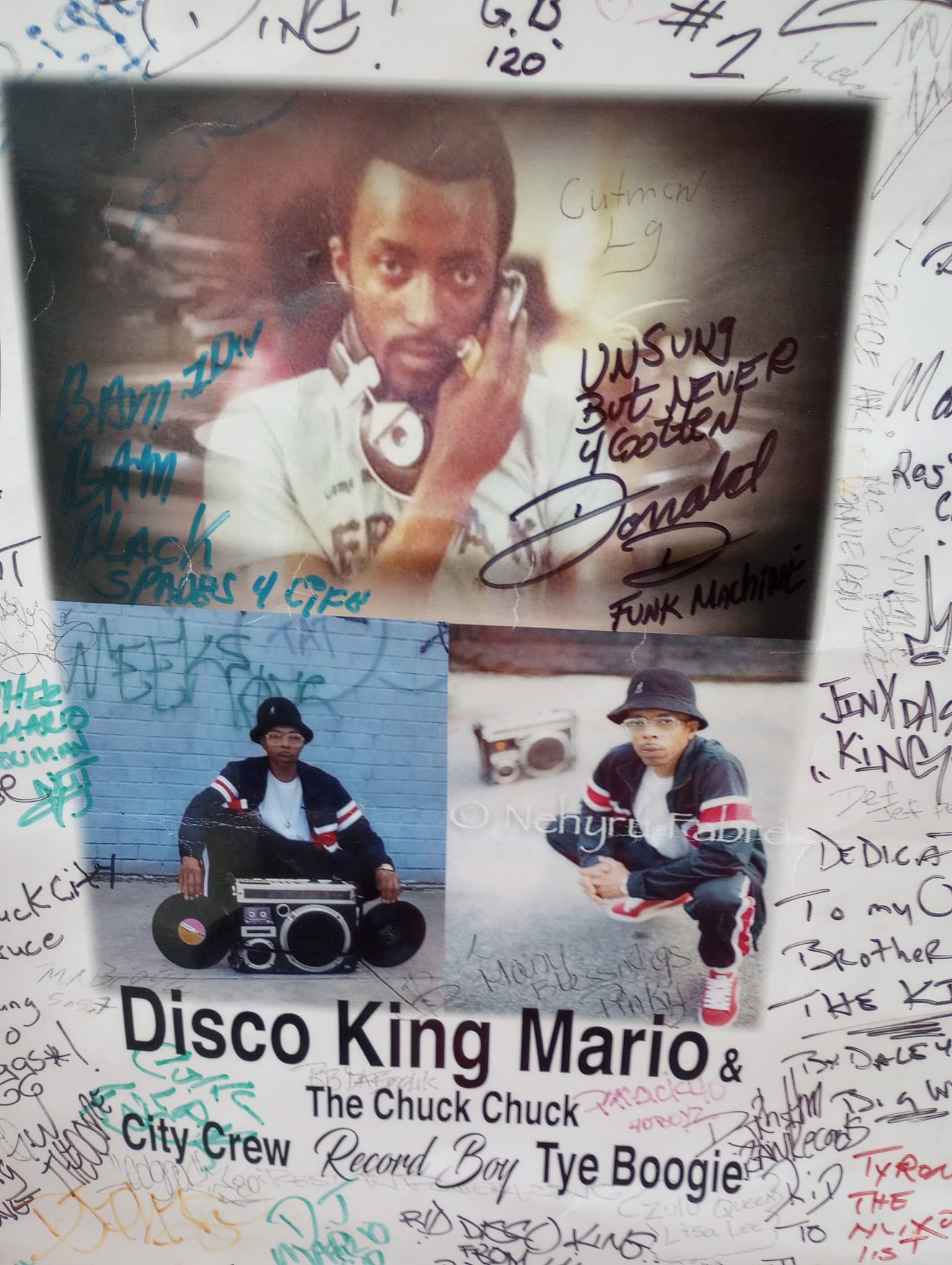
Mario played breakbeats, but he played for the whole neighborhood: children, adults, and elders. He played James Brown and funk, and later played disco as it emerged. That was the power of the early DJ: not just playing records, but gathering a community and moving it.
Mina told me Mario first led the Chuck Check City Crew, later renaming it the Big Mac Crew after purchasing McIntosh amplifiers. In that era, the sound system was not a small detail. It was the source of the DJ’s authority. It allowed a person to transform a courtyard or a park into a world of its own.
Mario also made room for younger people. Mina described a man who brought young DJs, rappers, and dancers around him rather than locking them out.
“He wasn’t stingy,” she said.
A Weekend of Living Hip Hop History
The next day, that larger spirit was on full display at Old Timers Day in Crotona Park in the South Bronx. The park brought together generations of hip hop, including Peter Gunz, Busy Bee Starski, Doug E. Fresh, Flava Flav, DJ Scratch, Melle Mel, and Coke La Rock. It was not a corporate anniversary event. It felt like a living family reunion: pioneers, artists, neighborhood people, and fans gathered around a culture that has survived long enough to watch itself become history.
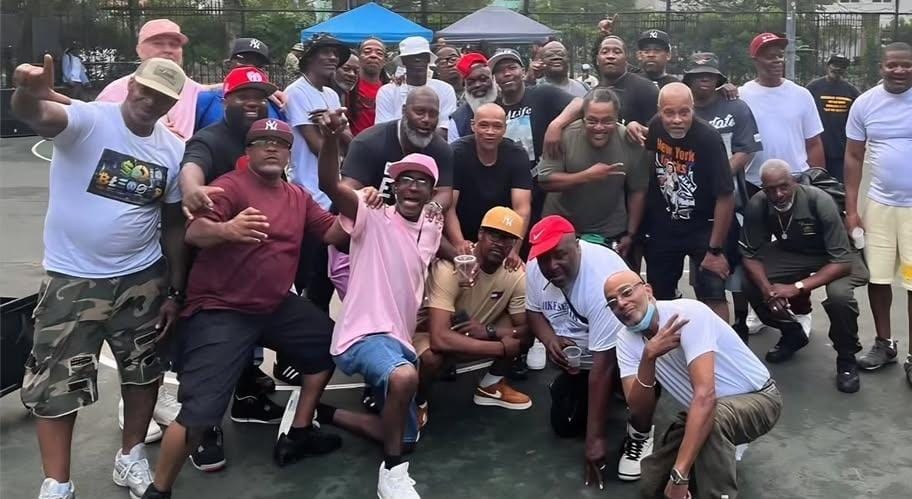
One detail stayed with me across both days: I did not see anyone waving Jamaican or Puerto Rican flags as a statement of ownership over hip hop. There was no need for that performance. The gathering was centered on the actual people, places, sounds, and relationships that shaped the culture. The conversation was not about reducing hip hop to a modern identity debate. It was about honoring the Black American communities and pioneers who built the foundation while still recognizing every person who contributed to its growth.
Mina put the central issue plainly: “If you don’t understand the beginning before the beginning, then you don’t understand the beginning.”
That is the purpose of events like DJ Phase’s Bronxdale celebration and Old Timers Day at Crotona Park. They are not nostalgia. They are historical preservation. They give the people who lived the early years an opportunity to speak in their own voices before their stories are filtered, diluted, or forgotten.
New York City has already honored Disco King Mario with naming a street after him, and his original flyer displayed at City Hall and a street named in his memory. That recognition matters. But the deeper work is to restore the full story.
Hip hop is not weakened when we recognize more pioneers. It becomes more honest. Before Kool Herc’s famous party, there was already a world being built. And after spending a weekend with the people who carried that world, I left the Bronx with an even clearer understanding: hip hop’s true history is bigger than the version most of us were taught.
The Caribbeanization of Hip Hop’s Origin Story
New York City recognizes Disco King Mario. His original flyer has been displayed at City Hall, and a street has been named in his honor. Hip hop pioneers recognize him as well. Even Kool Herc acknowledges in this video that Disco King Mario and DJ John Brown were throwing parties before him.
So why did the public story change? Why were these Black American pioneers pushed to the margins of their own history?
In my view, the answer lies in a familiar pattern of erasure. Black Americans create a musical form, establish its language, and build the culture around it. Eventually, the public searches for someone outside the Black American lineage to elevate as its central creator or defining symbol.
The Caribbeanization of hip hop’s origin story became especially visible in the 1990s. The November 1993 “Hip-Hop History” cover of The Source presented Grandmaster Flash, Afrika Bambaataa, and Kool Herc as hip hop’s foundational trinity. That influential image helped reduce a community-built history to three men while leaving out pioneers such as Disco King Mario, DJ John Brown, DJ Hollywood, Grandmaster Flowers, Pete DJ Jones, and others who did not fit the emerging narrative.
Kool Herc was born in Jamaica, and his contribution deserves recognition. But his Jamaican identity has increasingly been used to suggest that hip hop itself was a Caribbean creation—as if he arrived in the Bronx with a completed art form and introduced it to Black Americans.
That version reverses the cultural exchange.
Herc entered an existing Black American musical environment shaped by James Brown, funk, soul, rhythm and blues, disco, Black radio DJs, comedy records, spoken-word traditions, emceeing, and park jams. Black American DJs were already throwing parties before him. Herc did not create outside that tradition; he encountered it, learned from it, and made an important contribution to it.
Recognizing that history does not mean Caribbean people played no role in hip hop. Participation, however, should not be rewritten as sole authorship. Honoring Kool Herc should never require erasing the Black American culture that made his contribution possible.
We have seen this pattern before. Benny Goodman was crowned the “King of Swing,” while the innovations of Black American figures such as Duke Ellington and Fletcher Henderson were pushed behind him. Elvis Presley became the “King of Rock and Roll,” while Little Richard, Chuck Berry, Sister Rosetta Tharpe, and other Black American architects were denied equal recognition.
Positioning Kool Herc as the sole “father of hip hop” belongs in that same conversation. Herc mattered—but so did James Brown and funk. So did Disco King Mario, DJ John Brown, DJ Hollywood, Grandmaster Theodore, Grandmaster Flowers, Pete DJ Jones, and the many Black American pioneers who organized park jams, developed the sound, and built the culture throughout New York.
Hip hop was not delivered to Black Americans from somewhere else. It grew from the Black American musical family tree and was transformed by a community of young people in New York. Caribbean people participated in that history, but participation cannot be allowed to replace authorship.
Hip hop deserves more than a convenient origin myth. It deserves its complete Black American history.