
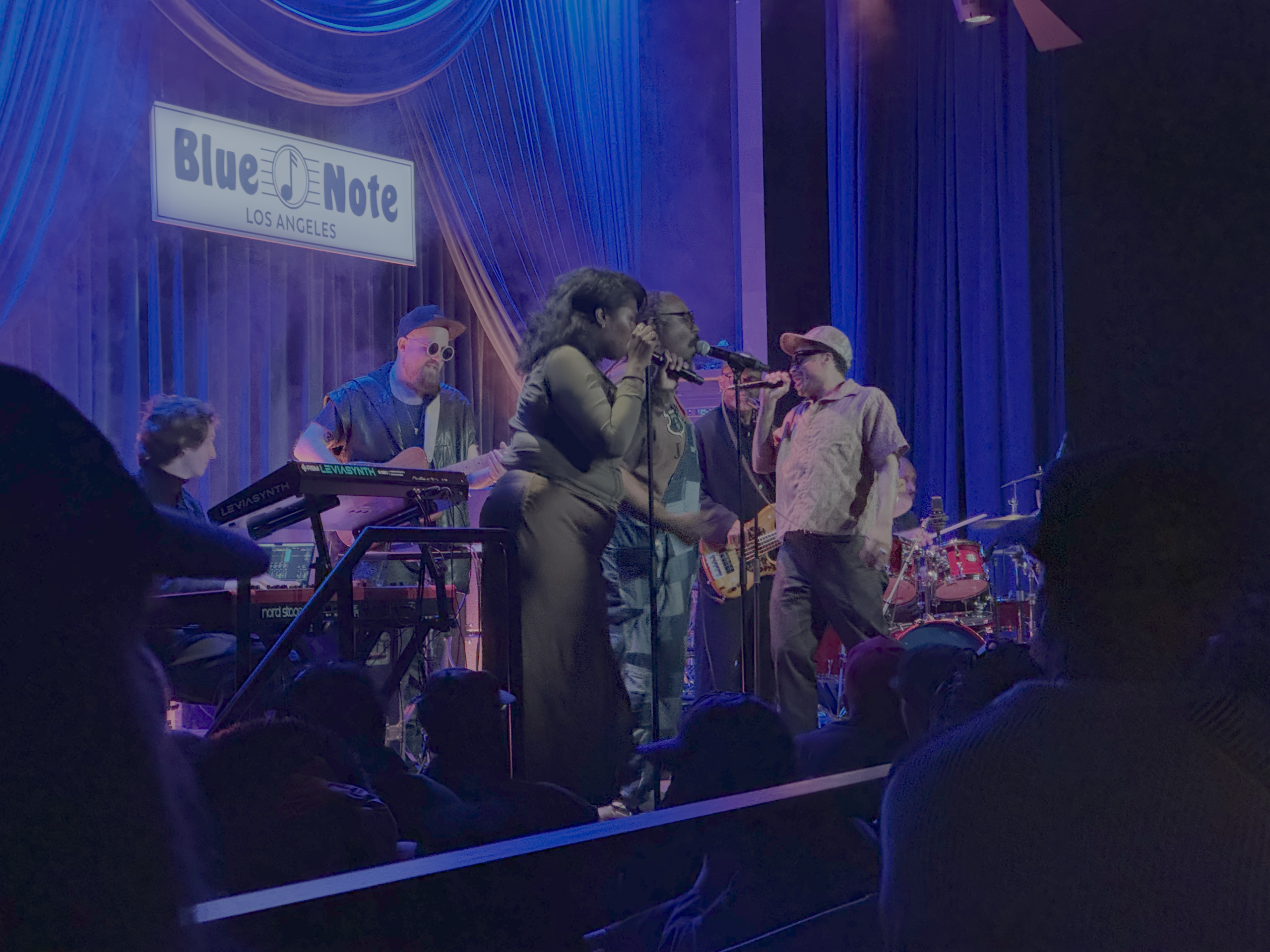
Twenty-five years after First Born Second, Bilal returned to the stage sounding stronger than ever—reminding audiences what real vocal mastery sounds like.
The moment the show was announced, it sold out. That alone tells you something. In an era where audiences are trained to chase algorithms, controversy, and viral moments, there is still a deep hunger for real music. Not nostalgia. Not tribute acts. Real music performed at a high level by artists who actually mastered their craft. That is what Bilal represents.
My first time seeing Bilal was in 2001 at the then-Universal Amphitheatre during one of the greatest touring lineups of that era: Bilal during the First Born Second run, Common during the Like Water for Chocolate era, and Erykah Badu during the Mama’s Gun era. At that time, Bilal walked on stage with locks, a live band, and a voice big enough to fill a 6,000-seat venue without gimmicks, backing tracks, or vocal assistance. Just singing.
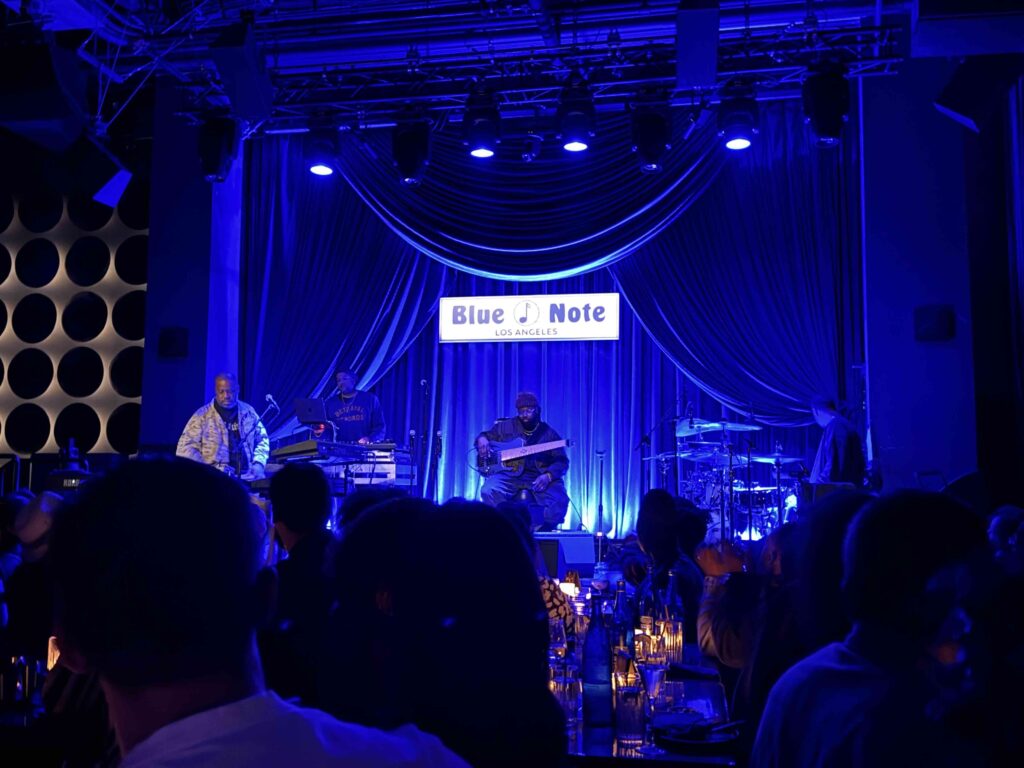
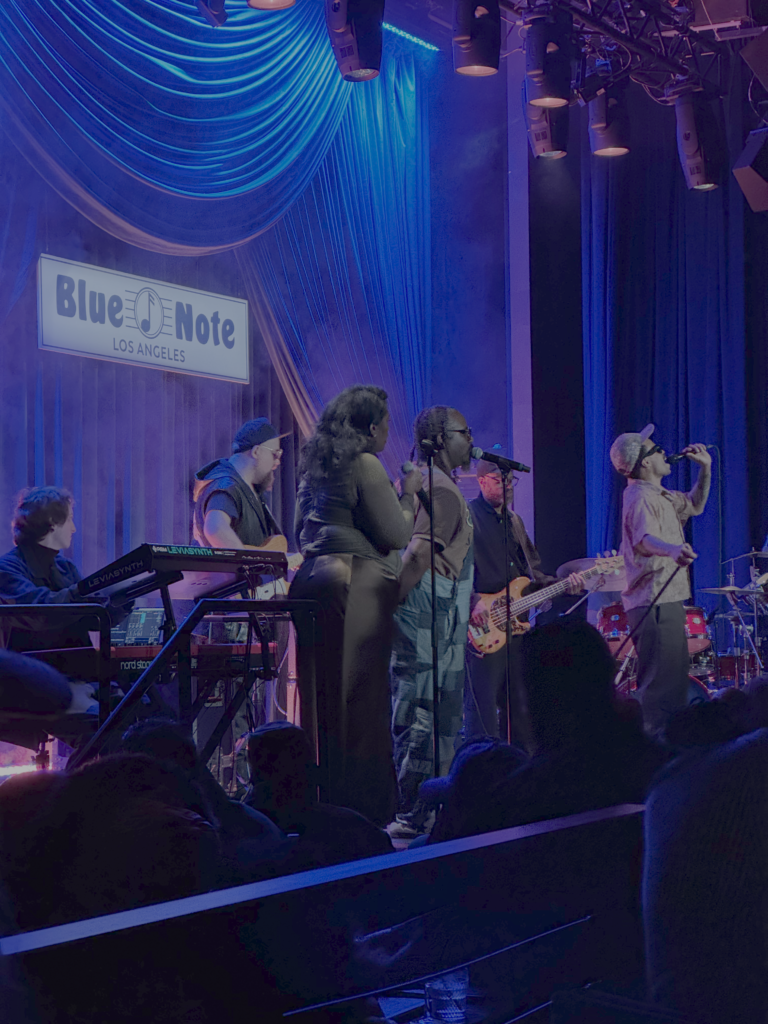
Twenty-five years later at Blue Note Los Angeles, his voice is somehow even better.
That is the shocking part.
Not because Bilal was ever weak vocally—he has always been one of the greatest vocalists of his generation—but because voices rarely age this gracefully without discipline. Bilal has clearly taken care of his instrument. His range remains ridiculous. He moves from grounded low tones to soaring falsettos effortlessly. Tenor. Soprano textures. Gospel growls. Jazz phrasing. Controlled chaos. The voice still stretches across the full emotional spectrum of Black American music.
And the background singers? They were on point all night. You have to bring it to sing behind Bilal. There is nowhere to hide in music like this. No auto-tune blanket. No over-compressed vocals. No click-track stiffness carrying the performance. Everybody on stage has to actually know how to sing.
That is part of what made this concert feel so historically important .
When First Born Second came out in 2001, Rhythm & Blues was changing rapidly. The industry was moving toward heavily programmed production, synthetic textures, and safer vocals. The era of dominant power singers was fading from mainstream radio. Labels were prioritizing polished digital aesthetics over raw emotional depth. Genuine soul music was slowly being pushed to the side commercially.
But there was still resistance.
Philadelphia, in many ways, was one of the cities holding the line. Artists like Bilal, D’Angelo, Jill Scott, Musiq Soulchild, Erykah Badu, and Meshell Ndegeocello were creating music rooted in live instrumentation, jazz harmony, gospel phrasing, and emotional honesty. The industry would eventually label it “neo-soul,” but honestly, a lot of what people call neo-soul is simply what Rhythm & Blues would have sounded like had it not been interrupted by synthetic industry trends.
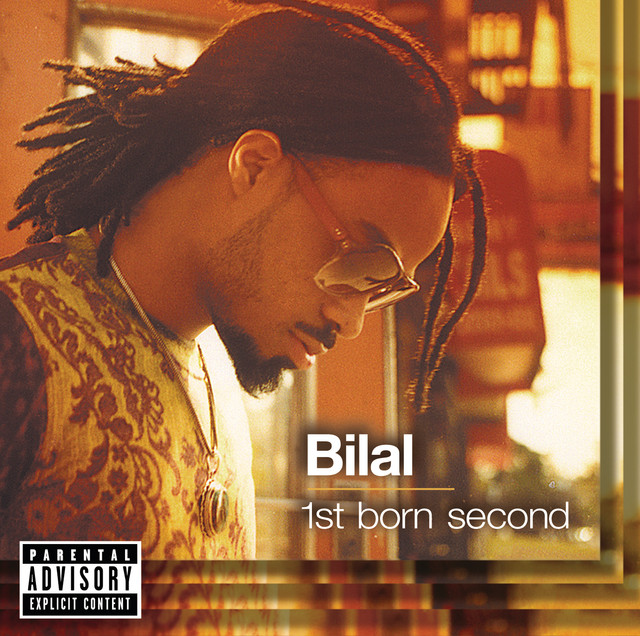
First Born Second has the soul of the 1960s and 70s living inside of it. You can hear the lineage immediately.
What stood out most during this Blue Note performance was how timeless the material still feels. Song for song, the album sounds just as fresh and emotionally relevant as it did when I was in college. Other albums from that era sold more records. Other artists received more industry pushes. But First Born Second stayed alive. That is the difference between trend-driven music and soul music. Soul music ages differently because it is rooted in humanity rather than marketing cycles.
During a brief conversation after the show, I asked Bilal what he remembered most about making the album. He reflected on the tension between artistic vision and label involvement at the time. He talked about the label wanting to bring in different producers and the project becoming a creative tug-of-war. Looking back now, though, he acknowledged that despite the challenges, the album ultimately found its place with listeners over time.
That answer says everything about the era.
Sometimes the industry accidentally helps create a classic while trying to control it.
Bilal’s voice also fits the intimacy of the Blue Note perfectly. I’ve seen him at major festivals, large theaters, and concert venues over the years, but there is something about hearing that voice in a smaller room that changes the experience. His singing does not just entertain—it surrounds the room. Bilal sings like somebody channeling life itself through sound.
Music, at its best, is a sonic interpretation of life. And Bilal’s voice contains all four elements. There is earth in the grounded weight of his lower register. Air in the breath and openness of his phrasing. Fire in the intensity and emotional force behind his crescendos. Water in the way the music washes over the audience emotionally.
That is why audiences still connect to him 25 years later.
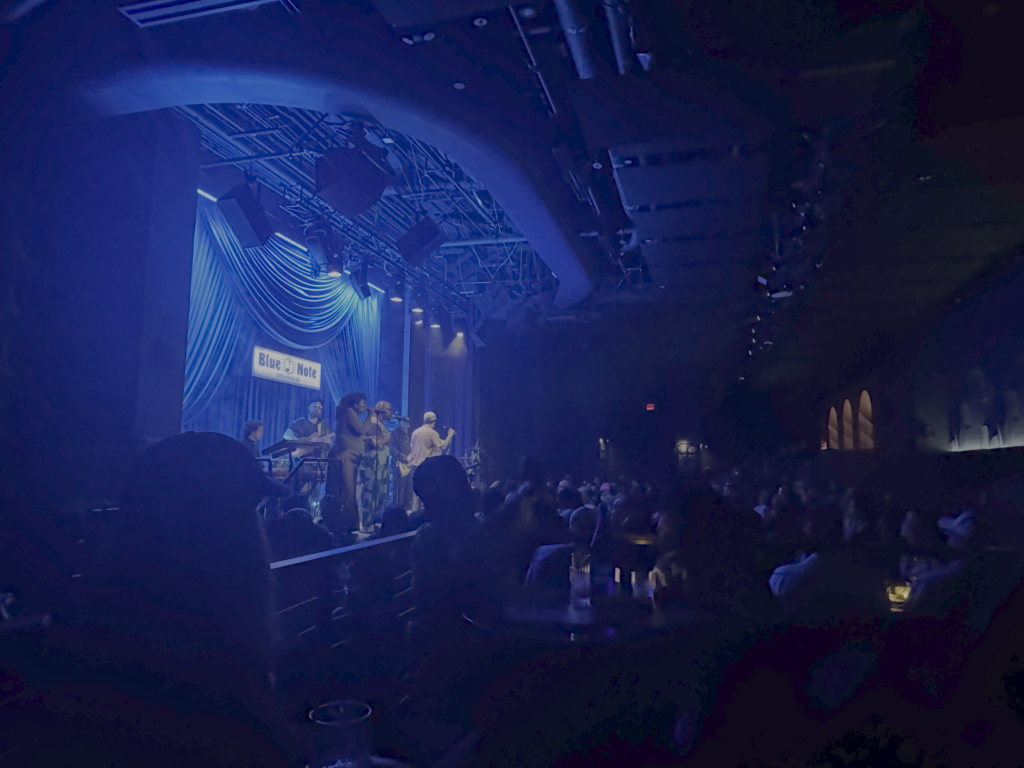
And beyond his own catalog, Bilal has quietly become one of the most important connective voices in modern American music. Whether appearing alongside Kendrick Lamar or collaborating across jazz, soul, and hip-hop spaces, he has remained respected by musicians because musicians understand what they are hearing.
The music industry may not always reward true vocal greatness the way it once did, but audiences still recognize it when they experience it live.
That is why this show sold out immediately.
And that is why if Bilal comes to your city, you need to buy a ticket.
Because voices like this do not come around often.
I believe music students will continue to study Bilal a century from now.
Support the BAM Family Tree Historical Foundation
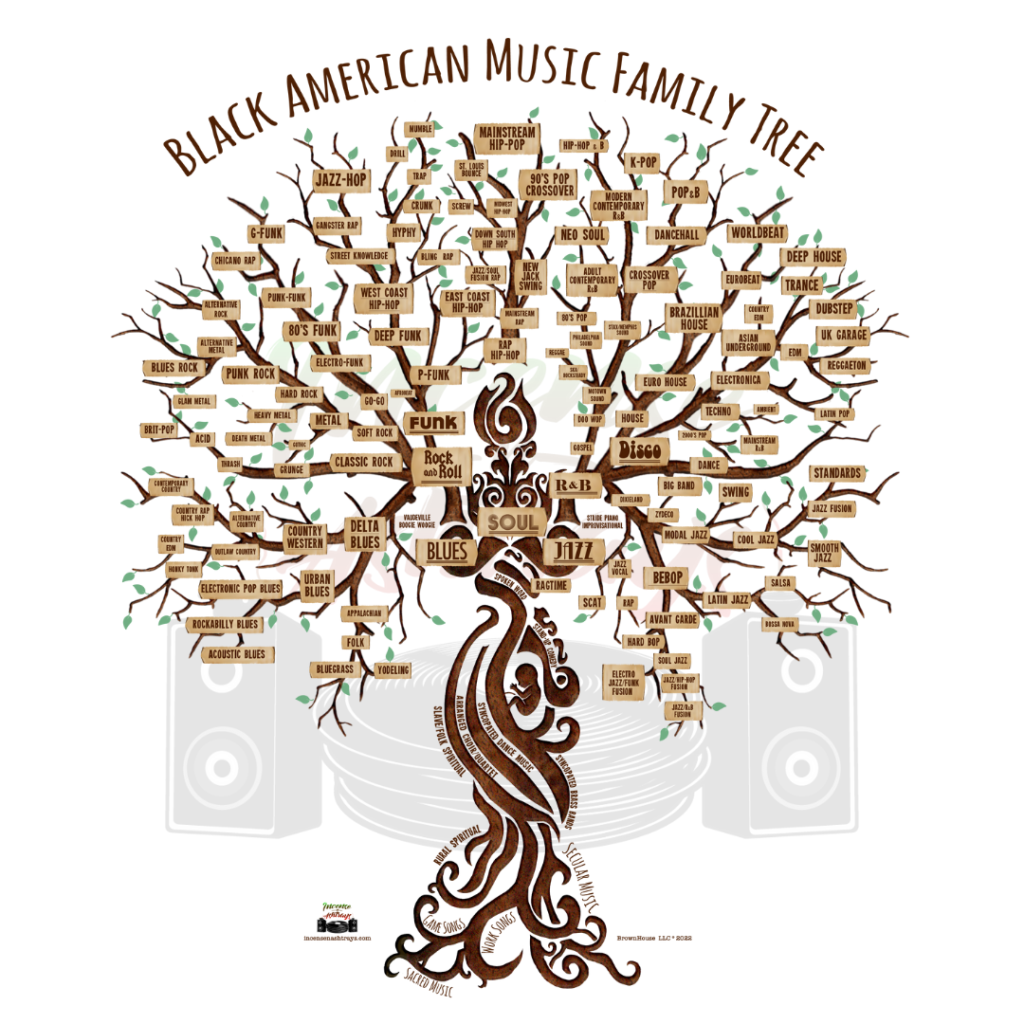
The Black American Music Family Tree Historical Foundation is dedicated to documenting, preserving, and teaching the history of Black American music and culture through education, media, live discussions, and historical research.
For more music history, artist analysis, and cultural commentary visit: bamfamilytree.org