
If You’ve Seen Him Before… Go Again
If you’ve seen Robert Glasper live before, that memory doesn’t prepare you for the next time. His performances don’t operate on repetition—they evolve. I’ve been catching Glasper shows since around 2013, from Los Angeles to Napa and beyond, and what keeps bringing me back isn’t nostalgia. It’s the certainty that whatever happens tonight won’t be what happened last time.
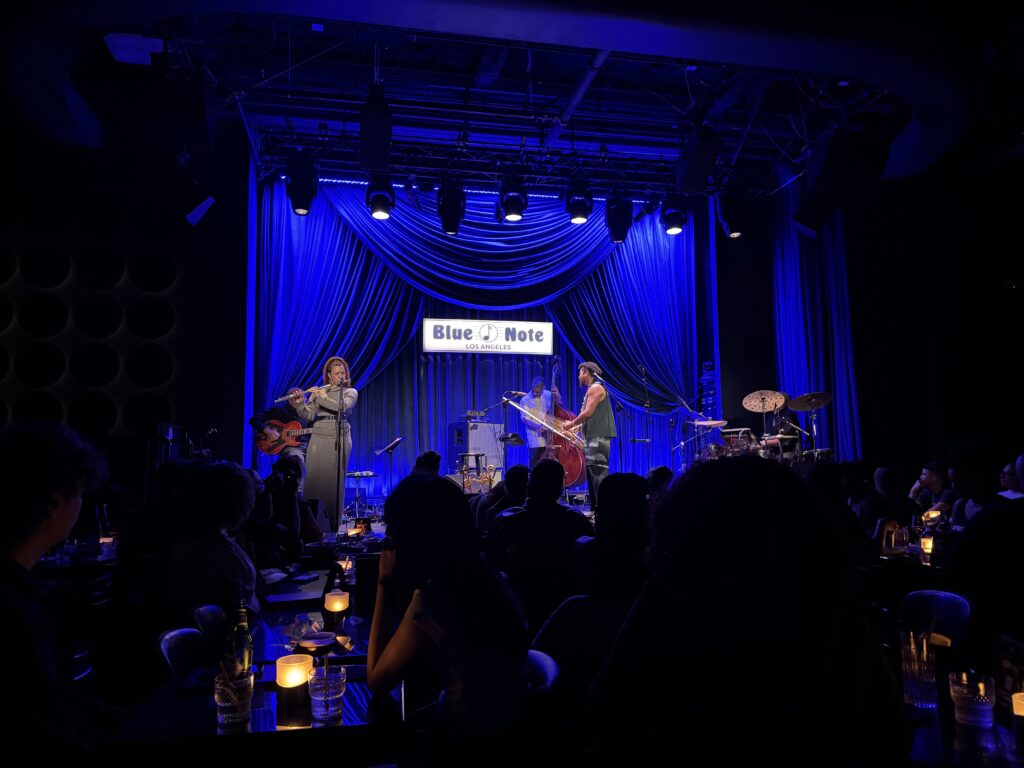
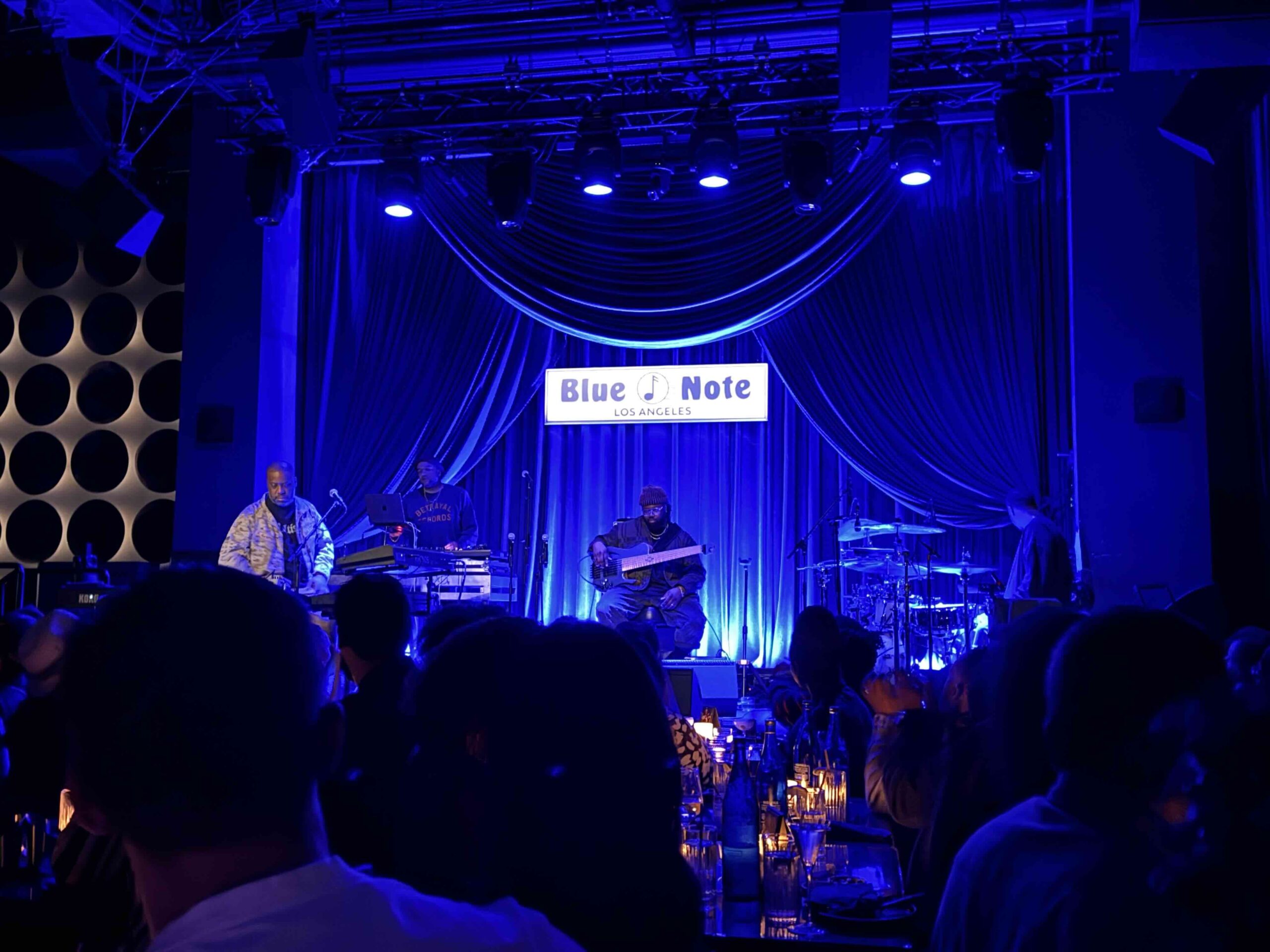
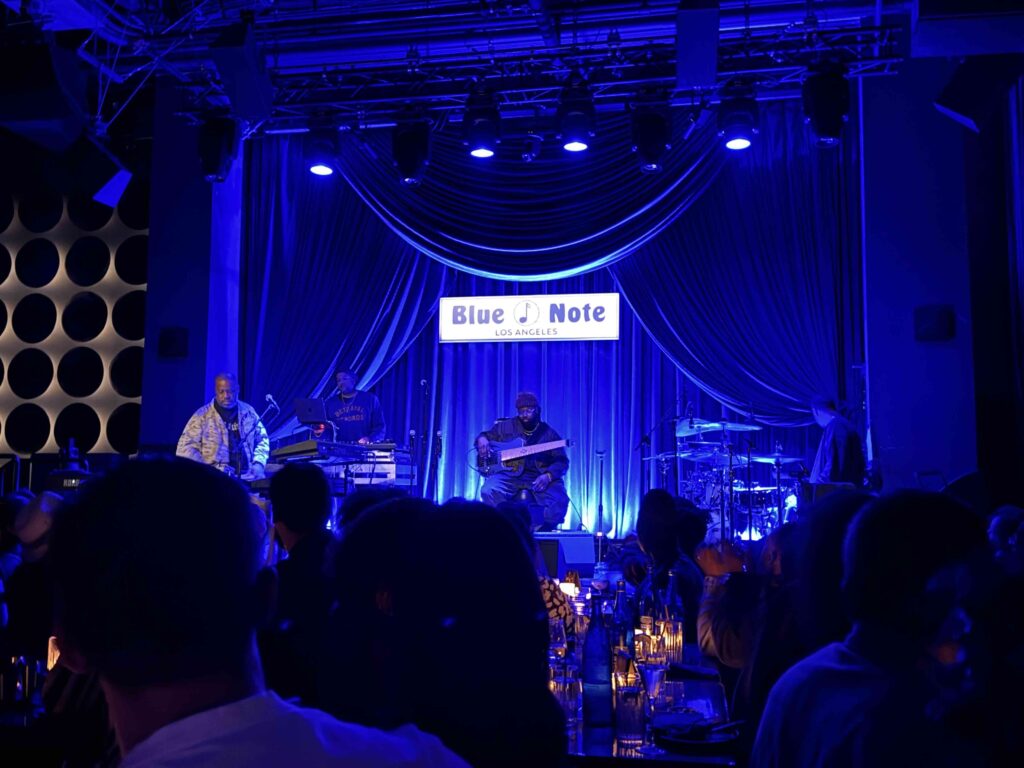
That truth becomes most apparent during his residency at Blue Note Jazz Club Los Angeles, where he typically holds the room for three to five nights at a time. The structure might suggest consistency, but the music refuses it. Setlists change. Arrangements shift. Tempos breathe differently. Even when a familiar composition appears, it arrives with a new intention. This isn’t a band revisiting songs—it’s a band rediscovering them in real time.
A Band That Creates in Real Time
What makes that possible is the elasticity of the group itself. On drums, Justin Tyson plays with a clarity that feels almost linguistic. His phrasing is precise—every subdivision evenly placed—yet nothing about it feels mechanical. There’s a depth of swing embedded in his touch, a balance between discipline and looseness that most players spend careers chasing. Where technical drummers can sometimes sacrifice feeling, and soulful players can sometimes lack articulation, Tyson refuses the trade-off.
His solos shift from night to night, his setups evolve, and even within the same tune he can reframe the groove entirely—stretching it outward before settling it back into a pocket that never disappears.
On bass, Burniss Travis II approaches the instrument less as a rhythmic anchor and more as a living, melodic force. His playing isn’t built on flash or spectacle. Instead, he constructs tone, shapes atmosphere, and adds color. He holds the low end with authority while threading melodic ideas through the music, turning the bass into both foundation and voice. Following a player like Derrick Hodge is no small task, but Burniss doesn’t replicate—he expands.
Then there’s Jahi Sundance, whose role goes far beyond traditional DJing. He functions as sound designer, filling in sonic space when vocalists aren’t present. Whether pulling from Black Radio or ArtScience, he punches in textures and fragments that keep the performance feeling full and complete.
The Unpredictability of Each Night
Part of the allure of a Glasper show has always been the unpredictability of who might walk on stage. Over the years, appearances from artists like Lalah Hathaway, Keyon Harrold, D Smoke, Jean Baylor, Cory Henry, Musiq Soulchild, Ledisi, Lupe Fiasco, and even Herbie Hancock have turned shows into moments you can’t replicate.
But what stood out this week was how strong the show remained without relying on that factor. One night featured no guests at all, giving the band space to stretch and explore. Another night brought D Smoke, who rapped, played piano, and delivered verses in Spanish, alongside Keyon Harrold adding trumpet textures.
Different night. Different shape. Same level of excellence.
Glasper the Bandleader and Master of Ceremony
At the center of it all is Glasper himself—not just as a pianist, but as a bandleader in the truest sense. His playing reflects a deep understanding of space. He knows when to lead, when to comp, and when to step back entirely so the band can speak. The transitions between songs feel effortless, as if the group has rehearsed them for years, even when they’re happening for the first time.
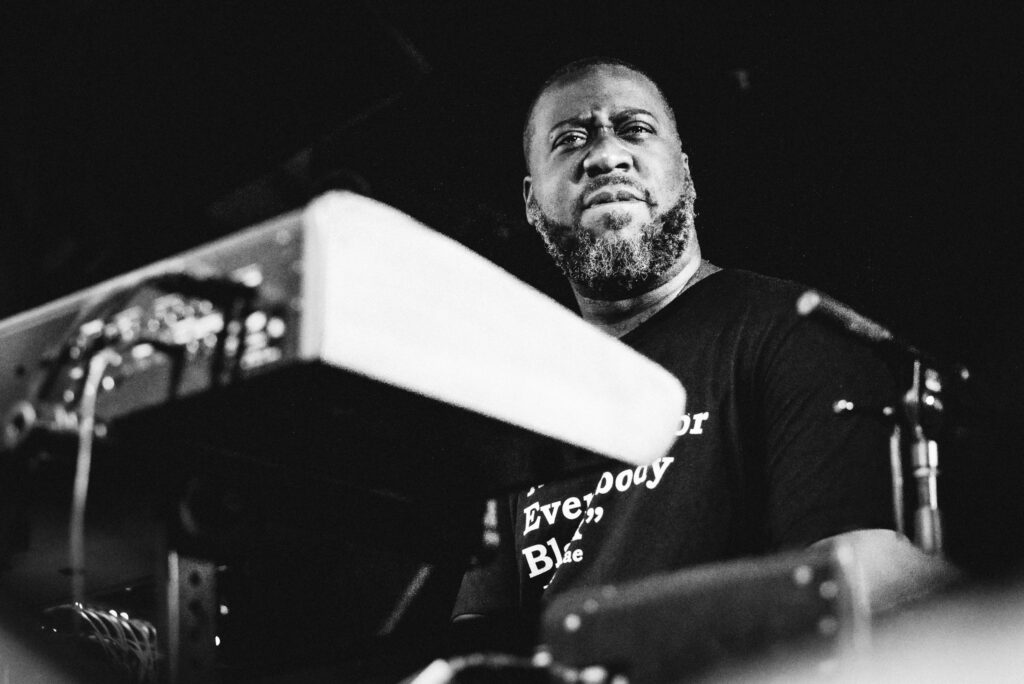
That level of control places him in lineage with Count Basie, George Duke, Chick Corea, and Hancock—leaders who understood that direction is as much about restraint as it is about command.
When Glasper speaks to the audience, he shifts into the role of master of ceremonies in its original form—the one who controls the room, reads the energy, and guides the experience. It’s a tradition rooted in Black American performance culture, and he carries it naturally with humor and timing that keeps the audience fully engaged.
Legacy, Loss, and Continuation
For longtime listeners, the absence of Casey Benjamin is still felt. His tone and texture were a defining part of the Glasper sound.
But the band hasn’t lost its identity. They’ve rebuilt without lowering the standard, maintaining the same level of musicianship while continuing to evolve forward.
Why Blue Note LA Matters
Glasper delivers in any setting—from the Hollywood Bowl to major festivals—but Blue Note Jazz Club Los Angeles offers something different.
The intimacy changes everything. You hear the nuances. You feel the low end. You see the communication between musicians as it happens. Since opening in Los Angeles, the Blue Note has helped restore energy to a live music scene that had slowed in recent years, bringing a renewed sense of life to Hollywood’s cultural landscape.
Final Word
A Robert Glasper show isn’t just a performance. It’s a living system—jazz, funk, rhythm and blues, and hip hop moving together, reshaping themselves in real time. No fixed outcome. No repeated script.
That’s why you don’t just go once.
You go every time.
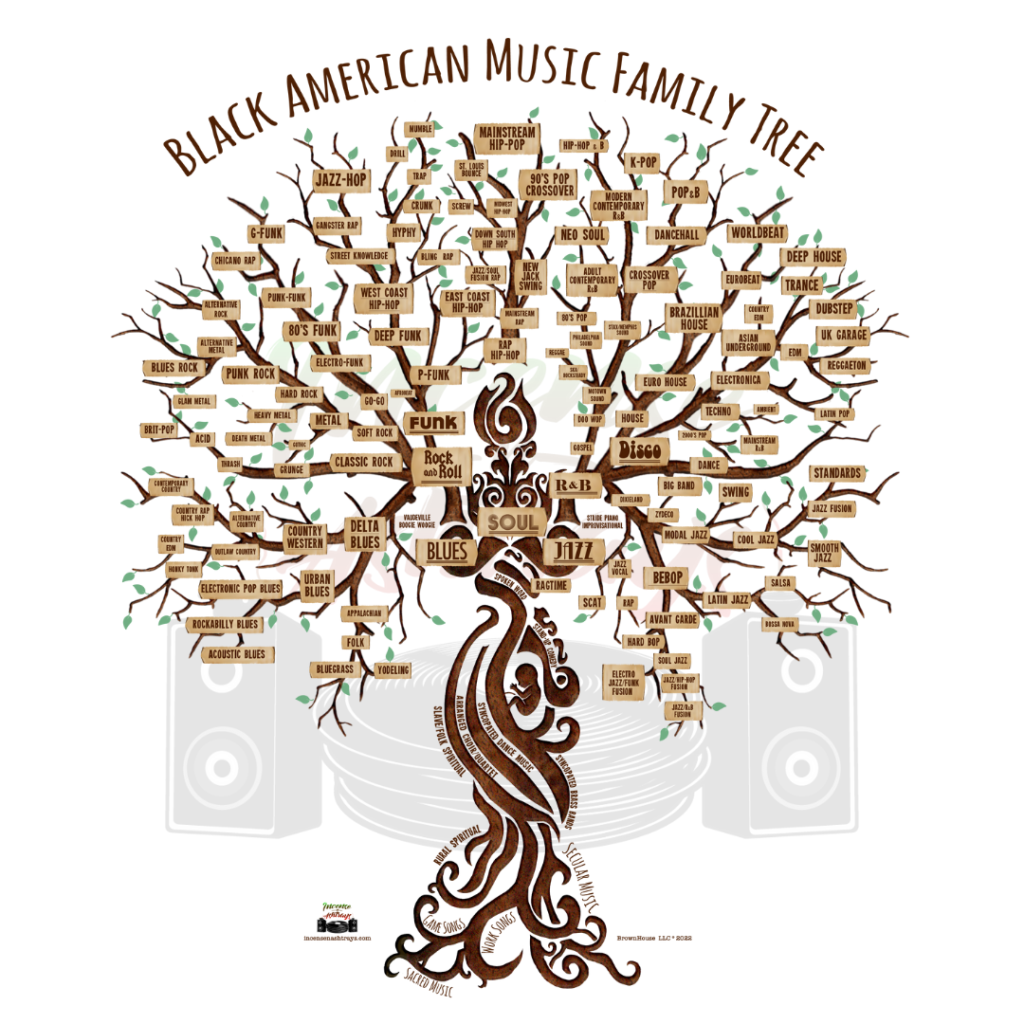
IncenseNashtrays supports BAM Family Tree Historical Foundation.
Preserving and documenting the legacy of Black American music and culture.
Support the movement at https://bamfamilytree.org