
The Drummer Who Became the Groove
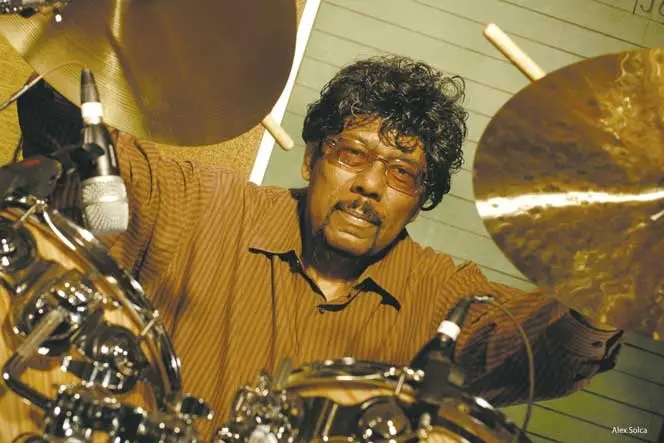
With the passing of James Gadson (June 17, 1939 – April 2, 2026), music loses one of its most essential yet often unseen architects. Born in Kansas City, Missouri—a musical hotbed that shaped generations of rhythm—Gadson carried that foundation with him to Los Angeles, where he would go on to help define the sound of modern music.
There are drummers who announce themselves—and then there are drummers who disappear into the record so completely that the music itself becomes their signature. James Gadson belonged to the latter. His genius wasn’t in spectacle. It was in feel. That elusive, unteachable quality that makes a groove lean back just enough to breathe, yet remain so locked in that it feels inevitable.
If you’ve ever felt a record sit just right—never rushing, never dragging, just breathing—you’ve already felt Gadson. He wasn’t the drummer chasing attention. He was the one holding everything together. The example of what a drummer’s primary job actually is: lay down a groove so strong that everything else can flourish on top of it.
From Watts to the World
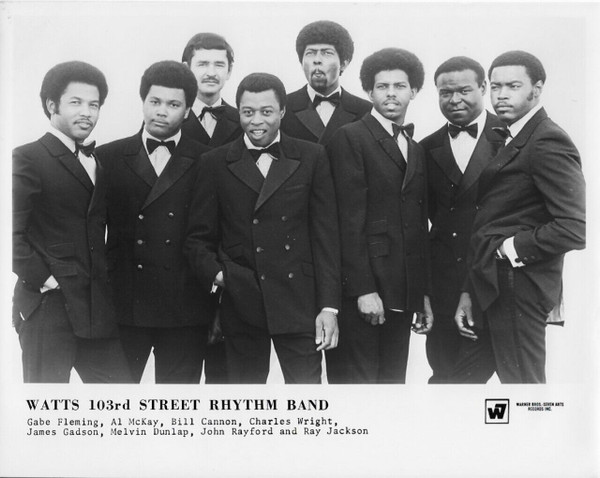
James Gadson’s first major break came in Los Angeles as part of the studio unit that would become the Watts 103rd Street Rhythm Band. Before the name became associated with hits, this was a working band built for recording—anchored by Gadson alongside James Carmichael, Leon Haywood, and Bobby Womack.
One of their earliest high-profile roles was backing Bill Cosby on Silver Throat: Bill Cosby Sings. It was studio-first work—tight, efficient, and constant. The goal wasn’t touring or visibility. It was building records. Building grooves.
From that foundation, Gadson transitioned into one of the most in-demand session drummers in music—carrying that same disciplined, unshakable pocket into recordings that would define multiple eras.
Playing the Record, Not Assembling It
Gadson’s playing defined an era when records weren’t assembled—they were performed. This was before digital grids flattened time into perfection, before grooves were quantized into submission. When he sat at the kit, the expectation wasn’t flawlessness—it was continuity. The groove had to live from the first bar to the last.
And he delivered that with a consistency that turned rhythm into architecture. His pocket wasn’t stiff or clinical; it was conversational. Human. The kind of feel that makes a record feel like it’s thinking.
Essential Recordings
Listen to I Want You and you hear Gadson at his most hypnotic. The drums barely assert themselves, yet they control everything. The groove floats, suspended somewhere between urgency and patience, creating a sensual undercurrent that carries Marvin Gaye’s vocal into another dimension. Decades later, that same feeling resurfaces when Kendrick Lamar channels its texture on The Heart Part 5—a reminder that Gadson’s pocket never aged, it simply migrated.
On Let’s Get It On, you hear one of the most iconic grooves ever recorded—and one of the most misunderstood. It isn’t defined by what Gadson plays, but by what he doesn’t play. The groove is minimal, deliberate, leaving a vast gulf of air between the 2 and the 4. That space becomes the music. The drums don’t crowd the record—they frame it. In doing so, Gadson mirrors the emotional weight of Marvin’s voice, allowing the groove itself to express longing, tension, and release.
That same philosophy carries into Dancing Machine, where his tight, unrelenting groove provides the kinetic engine for Michael Jackson’s emergence as a generational performer. The drums don’t just support the dance—they provoke it.
On Really Love, recorded decades later, Gadson doesn’t sound like a veteran revisiting past glories—he sounds current. Essential. The groove is still alive, still breathing, still slightly behind the beat in a way that no machine can replicate.
Then there’s Got to Be Real, a record that showcases the other side of his brilliance: precision. The kick drum is assertive, the hi-hat crisp, the pocket tight without ever becoming rigid. It’s dance music—but it still swings.
And on Express Yourself, Gadson lays down a groove that does more than support a song—it establishes a regional identity. That rhythm becomes part of the foundation of Los Angeles funk, a feel rooted in pocket, repetition, and message. Years later, that same groove is reintroduced to a new generation through Express Yourself by N.W.A, connecting Black American funk lineage directly to West Coast hip hop. Not influence—continuity.
Here is a list of popular songs James Gadson played on:
“Use Me” — Bill Withers “Lean on Me” — Bill Withers “Kissing My Love” — Bill Withers “I Want You” — Marvin Gaye “Come Live with Me Angel” — Marvin Gaye “Love Hangover” — Diana Ross “Don’t Leave Me This Way” — Thelma Houston “Express Yourself” — Charles Wright & the Watts 103rd Street Rhythm Band “Let a Woman Be a Woman” — Dyke & the Blazers “Sugah Daddy” — D’Angelo “At the Mercy” — Paul McCartney “Riding to Vanity Fair” — Paul McCartney “Manchild” — Herbie Hancock “Angel” — Billy Griffin & the Miracles “Soul Saga (Sit Down and Cry)” — Quincy Jones “Sweet Misery” — Martha Reeves “Don’t Cry Out Loud” — Melissa Manchester “Dance a Kiss and a Song” — Charles Wright & the Watts 103rd Street Rhythm Band “Spoonful” — Alex Dixon “Ain’t No Way to Live” — Gadson & Washington
The Standard He Set
Gadson wasn’t the drummer people point to for extended solos or technical exhibition. He was something more valuable. He understood the assignment.
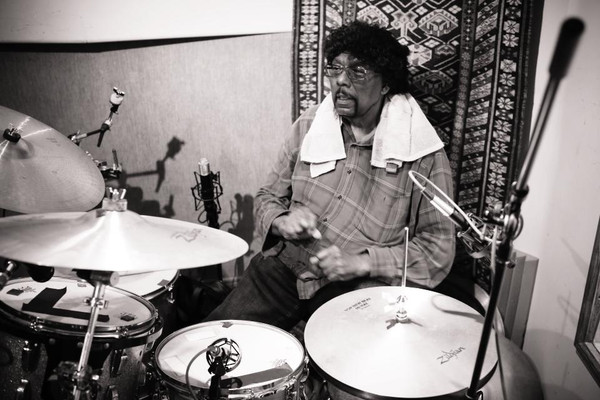
Lay the foundation.
Hold the groove.
Let the music flourish.
His grooves have been sampled, studied, and reinterpreted across hip hop, house, and global pop not because they are flashy, but because they are alive. They carry the subtle imperfections and micro-timing that machines still struggle to replicate.
Right in the Pocket
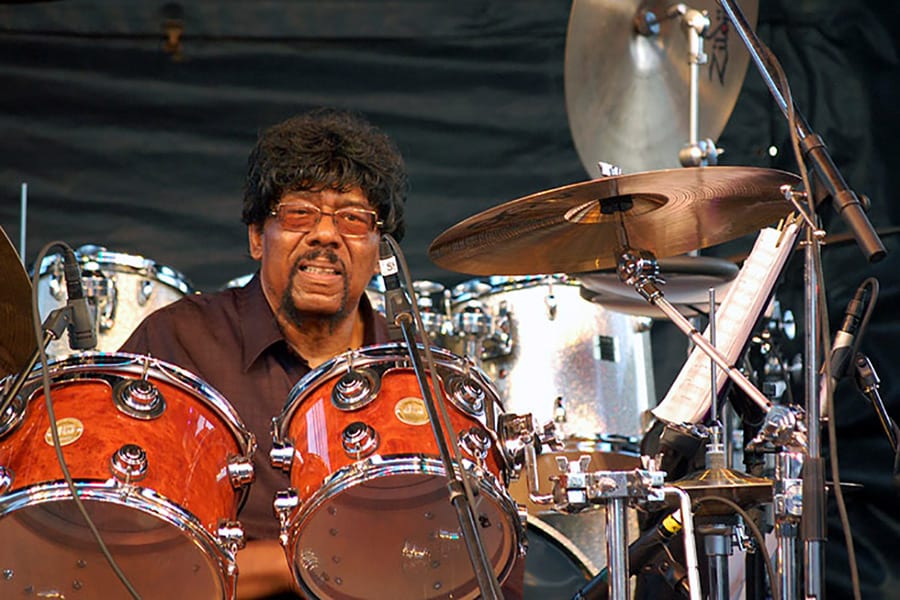
With his passing on April 2, 2026, we’re reminded that some of the most important voices in music were never the loudest—they were the most consistent.
James Gadson didn’t need to step forward to be heard. His voice was already embedded in the records, in the grooves, in the foundation of the music itself.
And as long as music depends on rhythm—real rhythm, human rhythm—his presence won’t fade.
It will continue to loop. To breathe. To guide.
Rest in power.
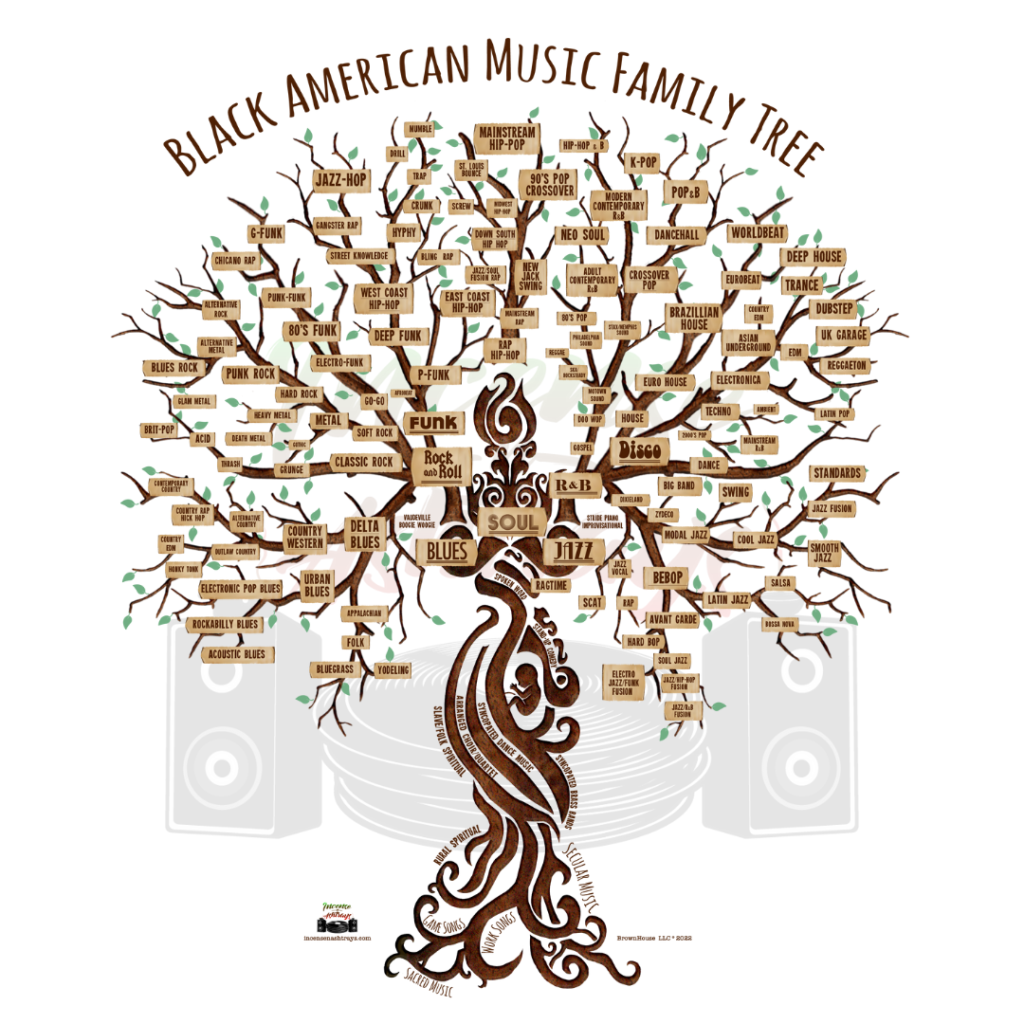
IncenseNashtrays supports http://bamfamilytree.org — The Black American Music Historical Family Tree Foundation. Preserving, documenting, and teaching the true lineage of American music. Support the movement at BAMFamilyTree.org.