
“Dancing in the Street” was more than a hit record. It helped reshape the groove, tempo, and reach of Black American music in the mid-1960s.
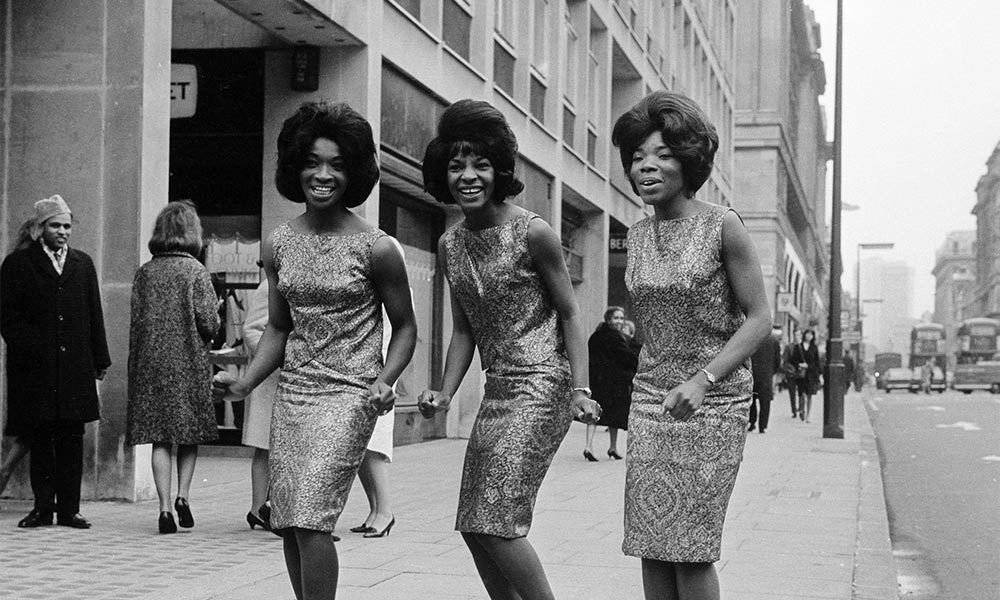
Released in 1964 by Martha and the Vandellas, the song runs at approximately 126 BPM, giving it a driving pulse that felt faster and more urgent than much of the rhythm and blues dominating radio at the time. Earlier R&B often leaned on slower blues grooves or mid-tempo shuffles. “Dancing in the Street” accelerated the feel.
The result was a record that sounded youthful, explosive, and built equally for dance floors and pop radio.
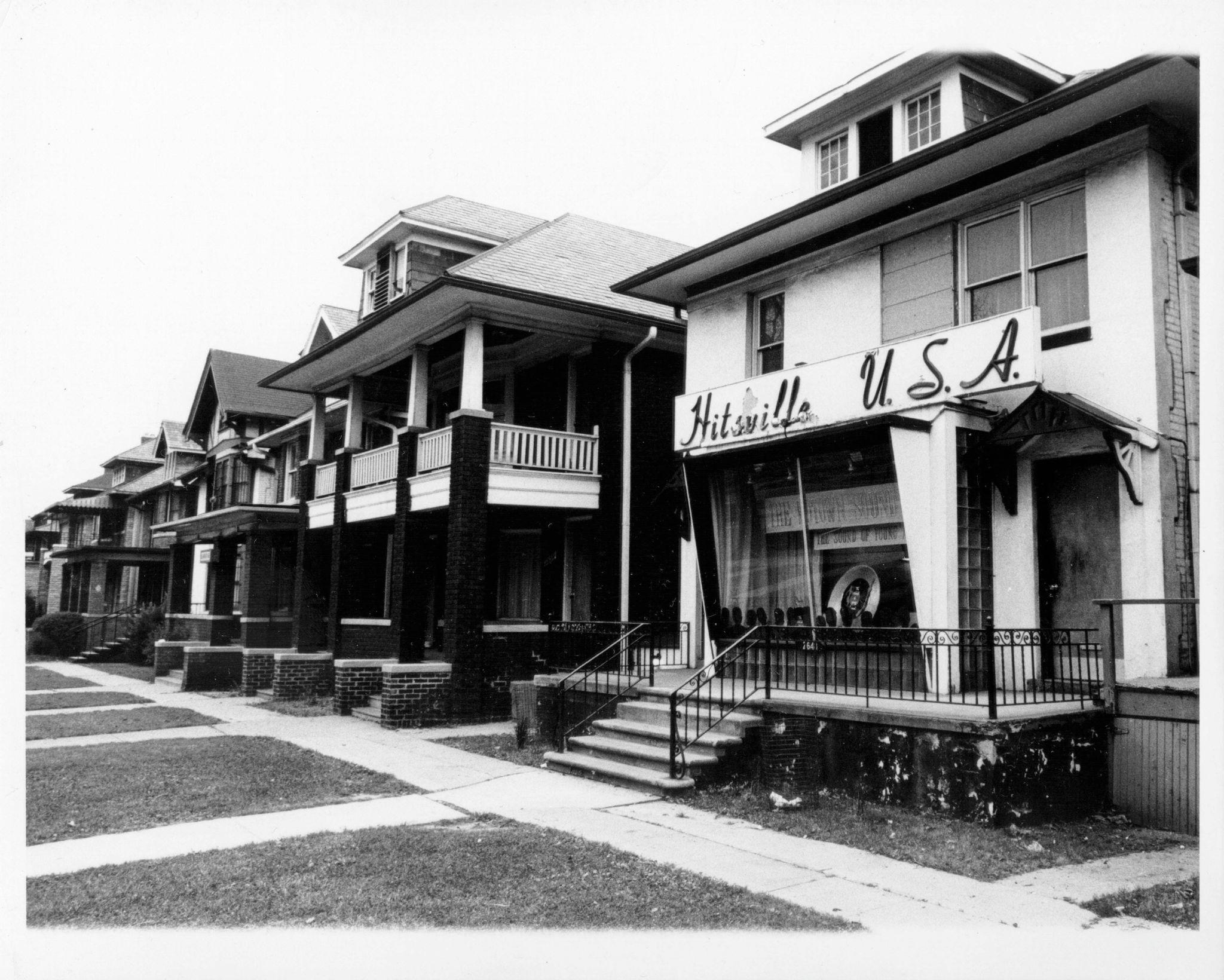
That shift helped push R&B deeper into the mainstream just as Motown founder Berry Gordy was determined to make Detroit the center of American popular music.
Berry Gordy’s Vision: The Sound of Young America
Berry Gordy’s plan for Motown was bold. At a time when the industry still separated “R&B” and “pop,” Gordy aimed to place Black American music at the center of popular culture.
Motown’s slogan reflected that ambition.
“Motown is the sound of young America.”
— Berry Gordy
Gordy also rejected the industry’s racial labeling of his records.
“They called my music rhythm and blues. I said, my music is pop. Pop means popular.”
— Berry Gordy
“Dancing in the Street” became one of the clearest examples of that strategy working.
The Groove That Changed the Beat
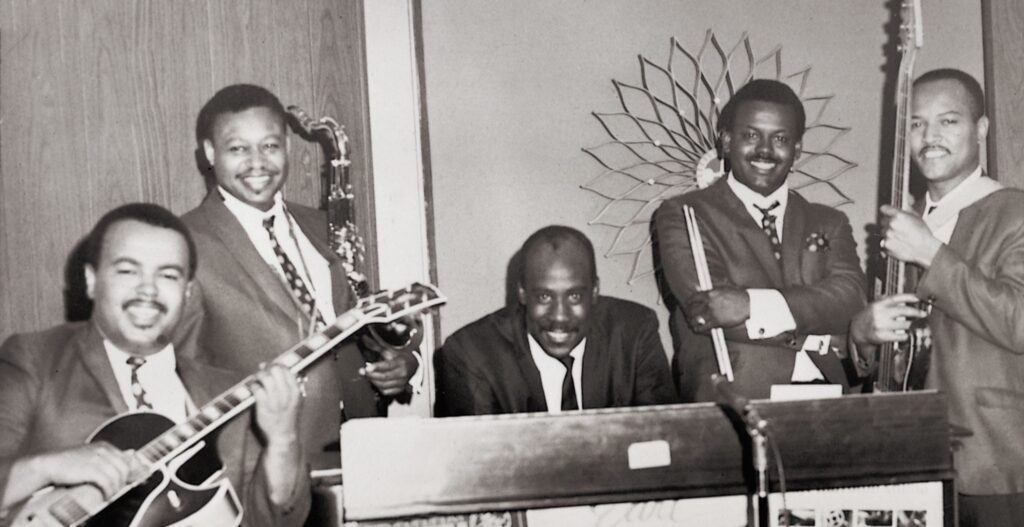
At 126 BPM, the record carries an energetic forward momentum. The track was powered by Motown’s legendary studio band, the Funk Brothers, whose musicianship helped define the Detroit sound.
Drums and Percussion
A sharp backbeat on two and four, reinforced with tambourine and handclaps, created a punchy rhythmic feel that jumped out of jukeboxes and transistor radios. Motown producers intentionally layered percussion so the groove would translate clearly over radio.
Melodic Bass
Motown bass lines often functioned melodically rather than just rhythmically. Instead of sitting in the background, the bass helped push the groove forward and gave the record musical personality.
Bebop Horn Phrasing
The horn section attacks in short, rhythmic bursts rather than long jazz phrases. These tight punches reflect bebop horn phrasing, showing how Motown fused bebop language with rhythm and blues.
This fusion of bebop sophistication with R&B rhythm helped create a sound that was both musically complex and immediately accessible.
Gospel Vocal Energy
Lead singer Martha Reeves delivers the lyrics with gospel urgency while the Vandellas respond in harmony. The call-and-response structure echoes the tradition of Black church music and turns the record into a communal celebration.
Detroit vs. Chicago: Two R&B Approaches
When “Dancing in the Street” arrived, Chicago was still one of the dominant centers of rhythm and blues vocal group music.
Chicago labels such as Mercury Records and Brunswick Records produced a steady stream of harmony-driven R&B. Groups like The Dells represented this style, with rich vocal arrangements, slower grooves, and strong connections to gospel quartet harmony and doo-wop traditions.
Detroit’s Motown sound moved in a different direction.
Instead of focusing primarily on vocal harmony groups, Motown emphasized:
• Driving rhythm sections
• Punchy horn arrangements
• Faster dance grooves
• Tight pop song structures
The Detroit formula was engineered for national crossover radio, allowing Motown records to move seamlessly between R&B and pop charts.
Martha and the Vandellas: The Foundation of Motown’s Rise
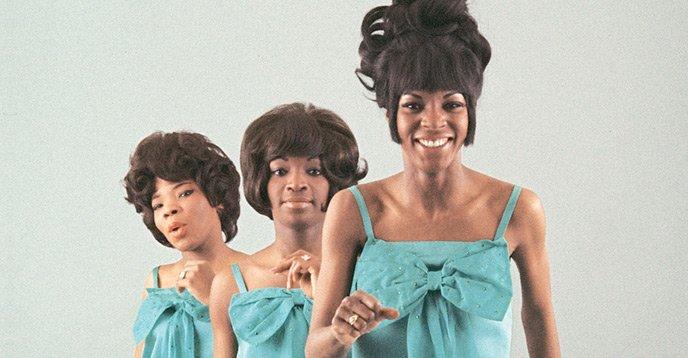
Before Motown’s later pop dominance, Martha and the Vandellas helped establish the label’s national credibility.
Their hits including “Heat Wave” (1963), “Dancing in the Street” (1964), and “Nowhere to Run” (1965) showed that Detroit’s emerging sound could compete with—and often outperform—other R&B centers.
Martha Reeves later recalled that the inspiration for the song came from neighborhood gatherings in Detroit.
“We used to have Saturday parties… we’d come out in the street and party until the sun went down.”
— Martha Reeves
What began as a celebration of community quickly became a record that resonated nationwide.
Expanding the Motown Blueprint
Motown quickly refined the formula. One year later, “I Can’t Help Myself (Sugar Pie Honey Bunch)” by The Four Tops, released in 1965, became one of the label’s biggest hits.
The record reinforced Detroit’s winning formula: driving rhythm sections, gospel-rooted vocals, and punchy horn arrangements that blended bebop phrasing with R&B grooves.
A Turning Point for American Popular Music
Looking back, “Dancing in the Street” represents a turning point in American music.
The record accelerated the groove of rhythm and blues, fused bebop phrasing with soul rhythms, and proved that Black American music could dominate mainstream pop radio without losing its cultural roots.
In the process, Berry Gordy accomplished exactly what he set out to do.
Motown had become The Sound of Young America.